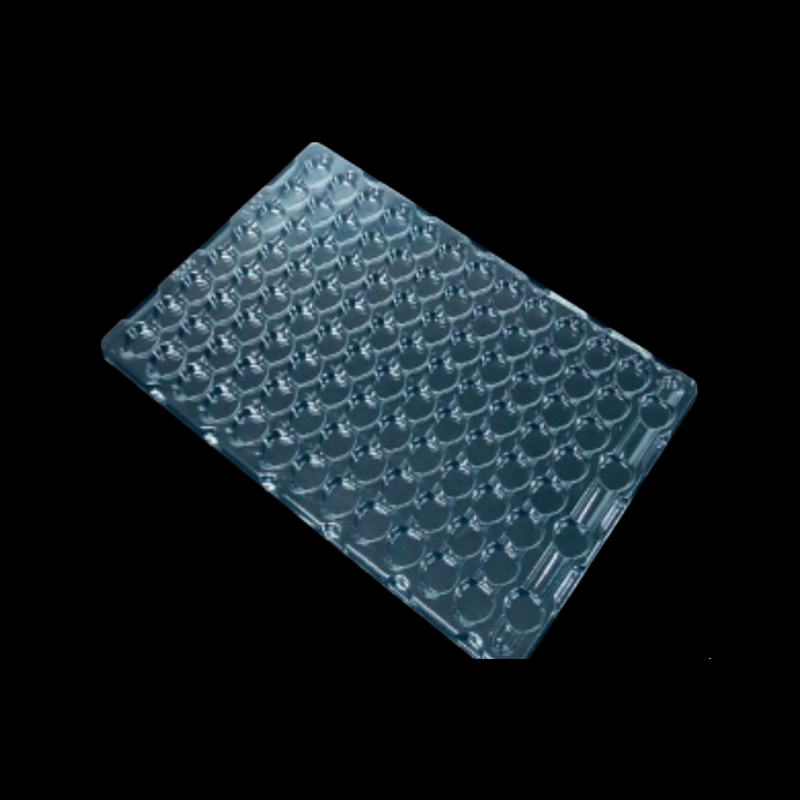
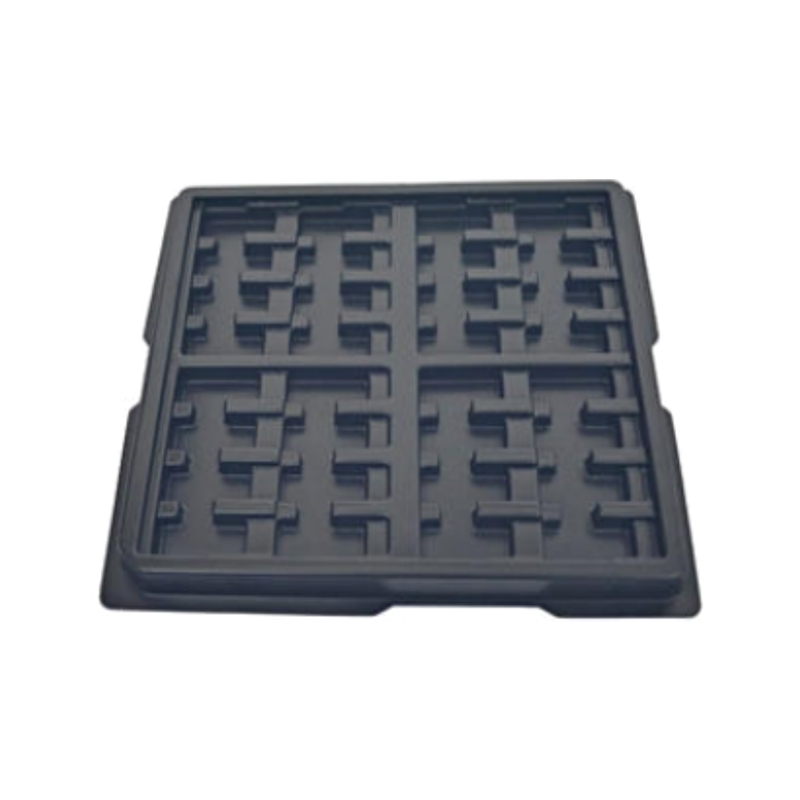
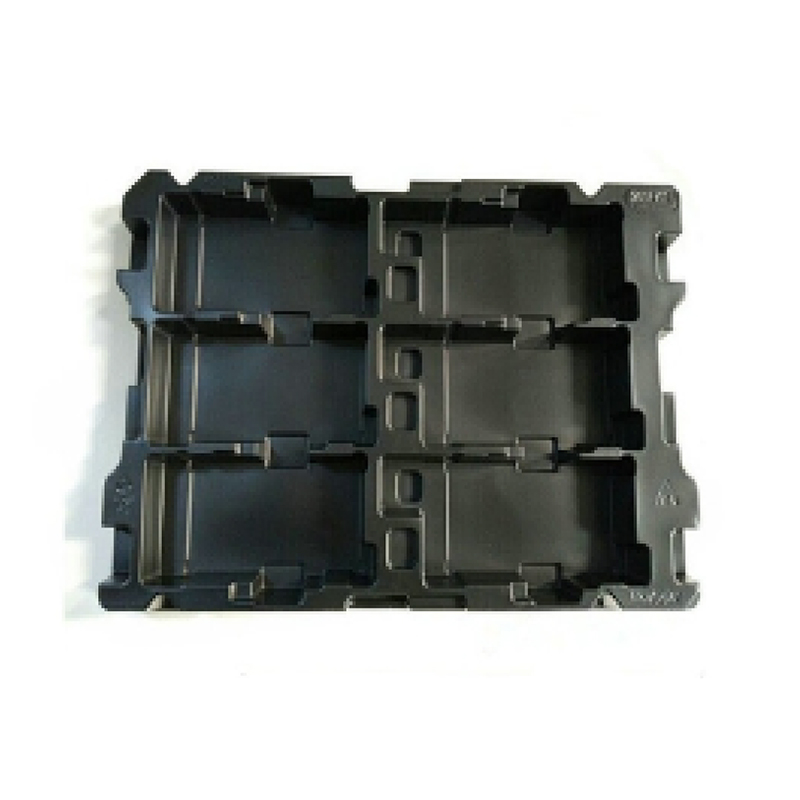
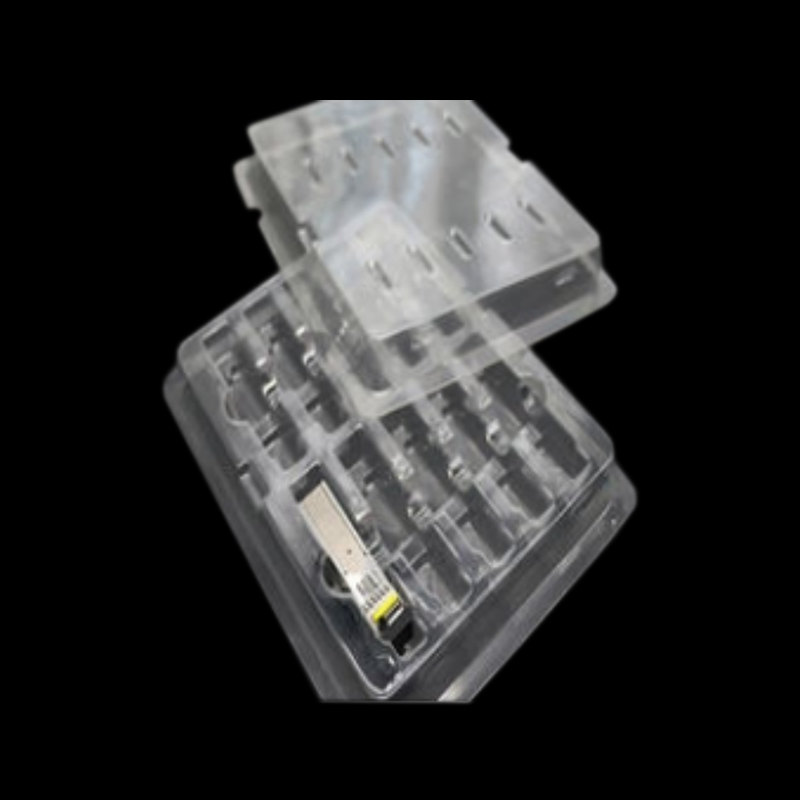
I. Core Definition and Materials
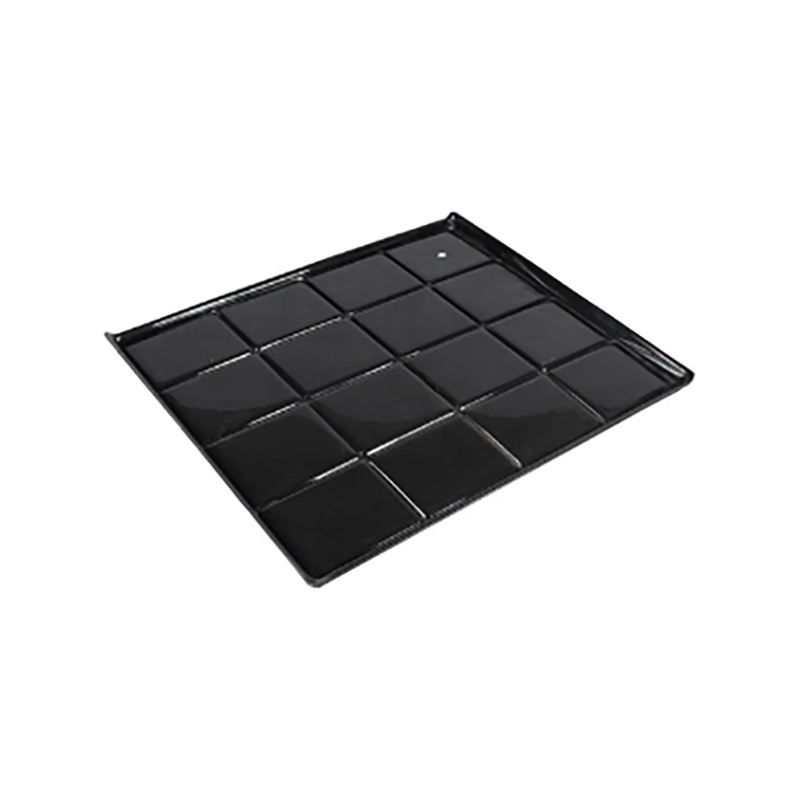
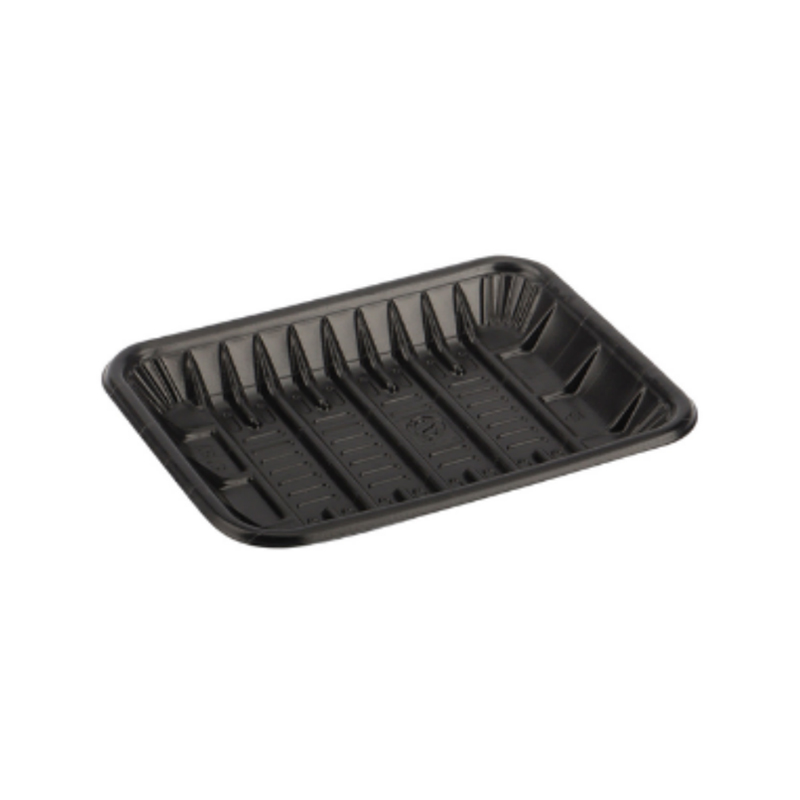
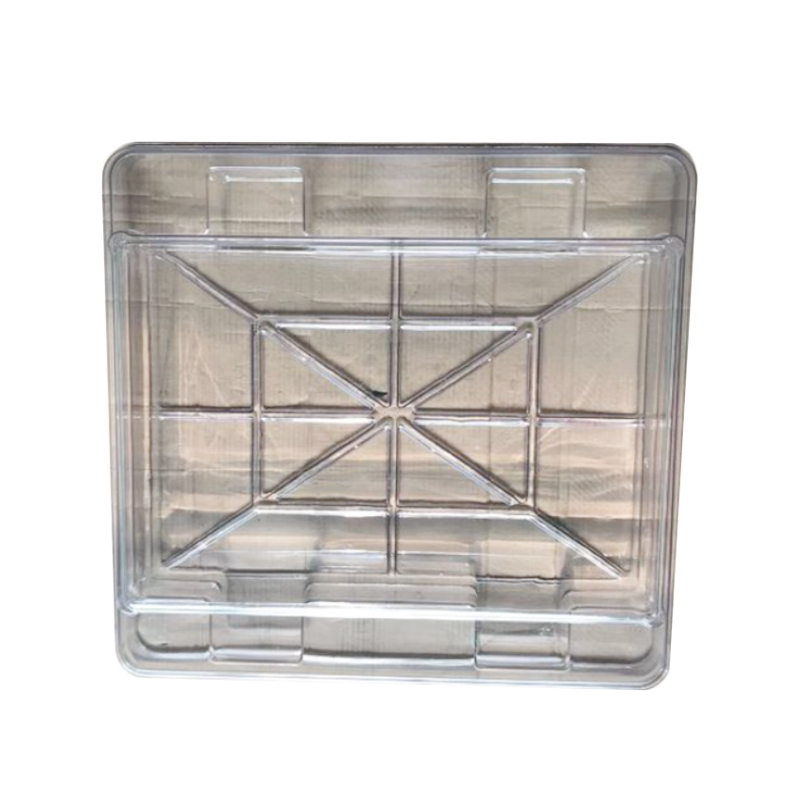
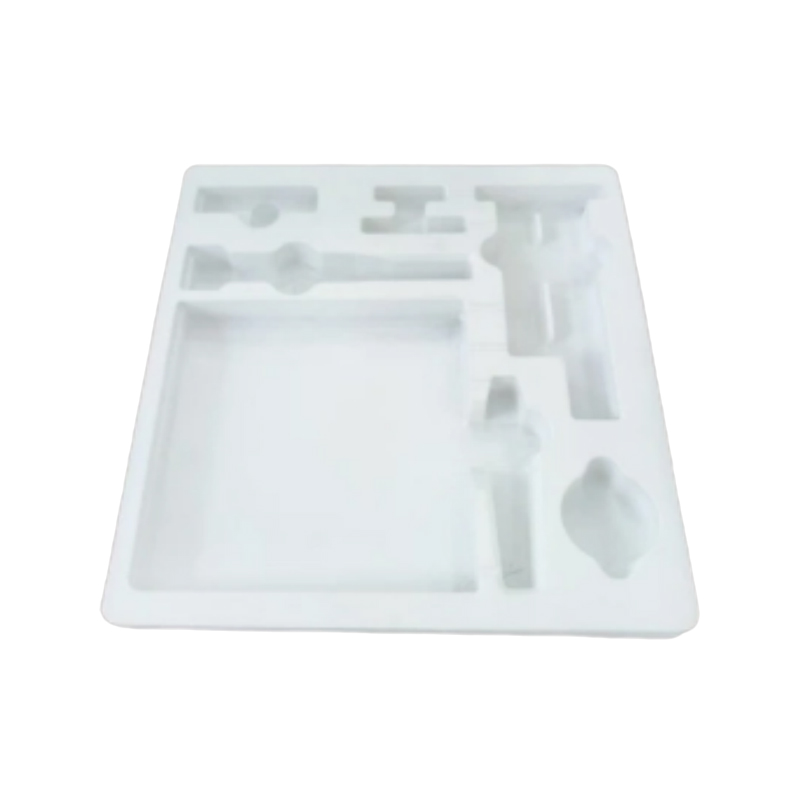
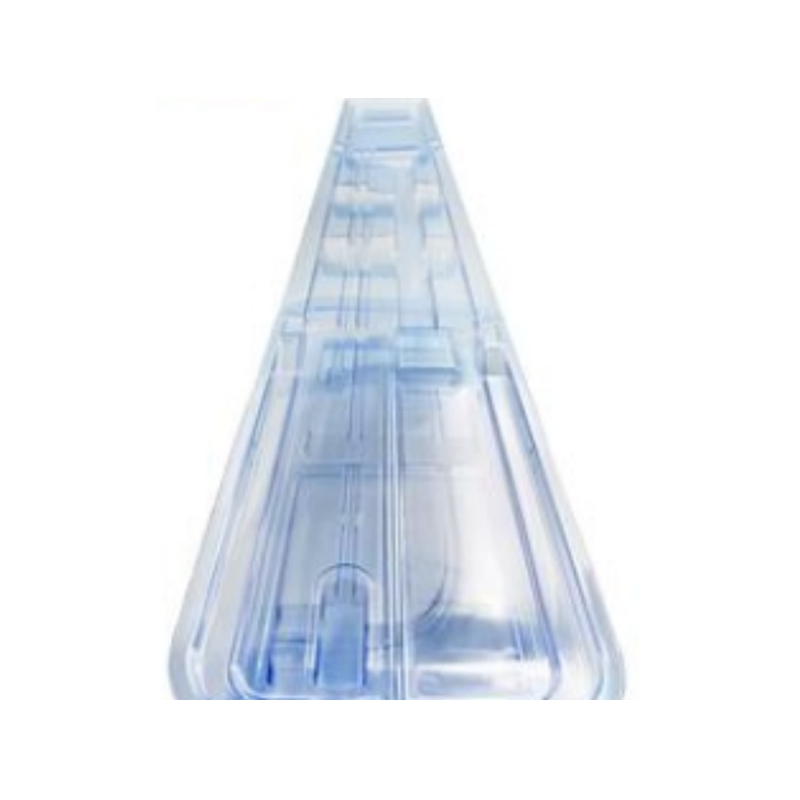
Aliases: Blister tray, plastic inner tray, Tray (commonly used in the electronics industry).
Materials (selected according to requirements):
PET: Transparent, environmentally friendly, and good toughness. Commonly used in food/electronics.
PP: High temperature, acid, and alkali resistance. Used in food/medical/high-temperature scenarios.
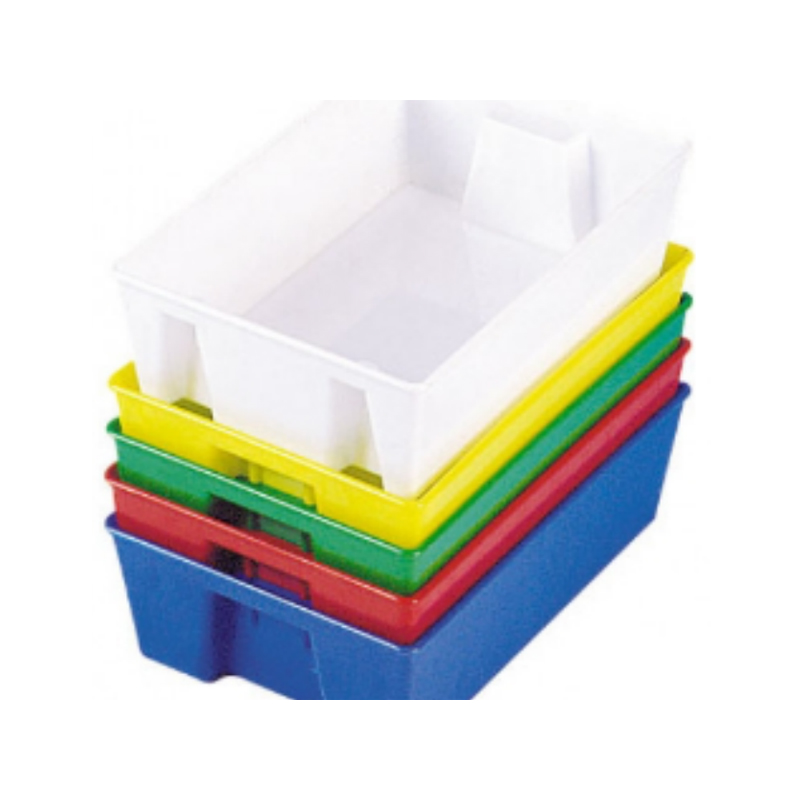
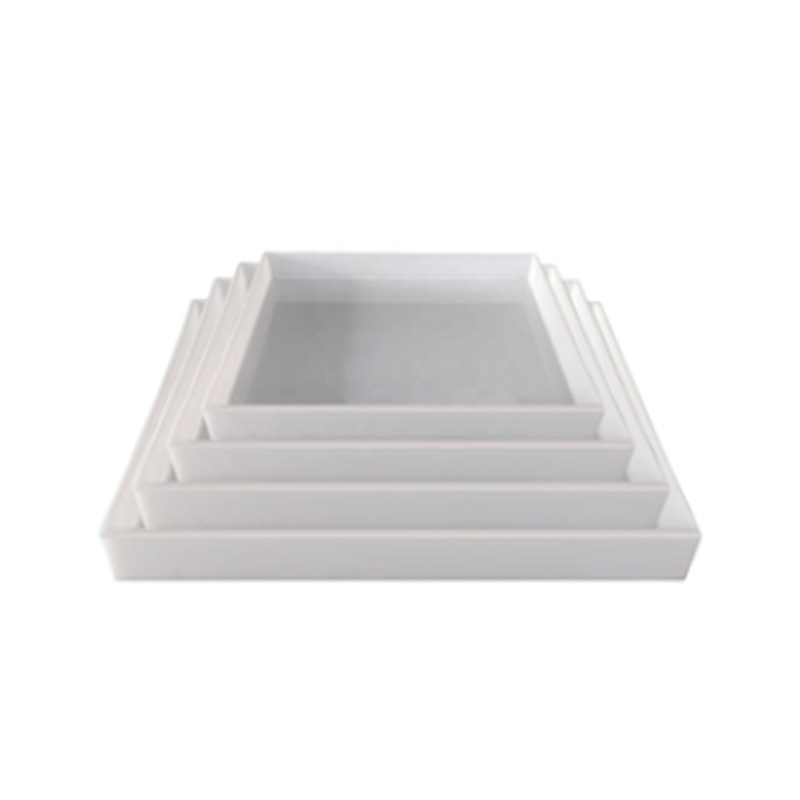
PS: High hardness and low cost. Used in toys/stationery/daily necessities.
PVC: Transparent, flexible, and low price. Used for general packaging (weak environmental friendliness).
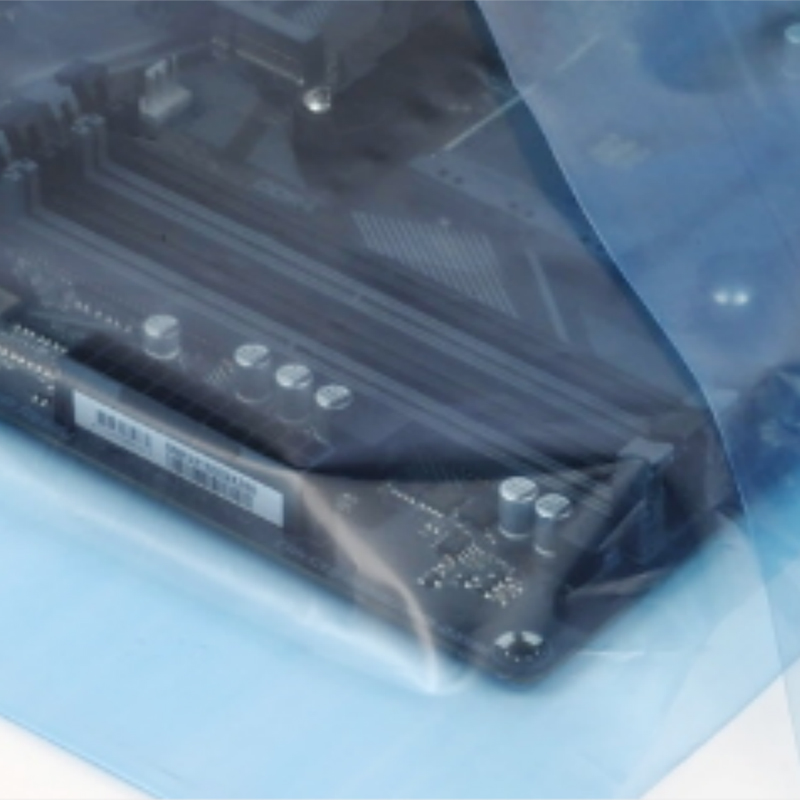
Anti-static / Conductive: Surface resistance of 10⁴–10⁹Ω. Dedicated for electronic components to prevent damage from static electricity.
Flocking / Gold plating: Enhance texture and cushioning. Commonly used in gifts/cosmetics.
II. Application Scenarios (Industry-wide Coverage)
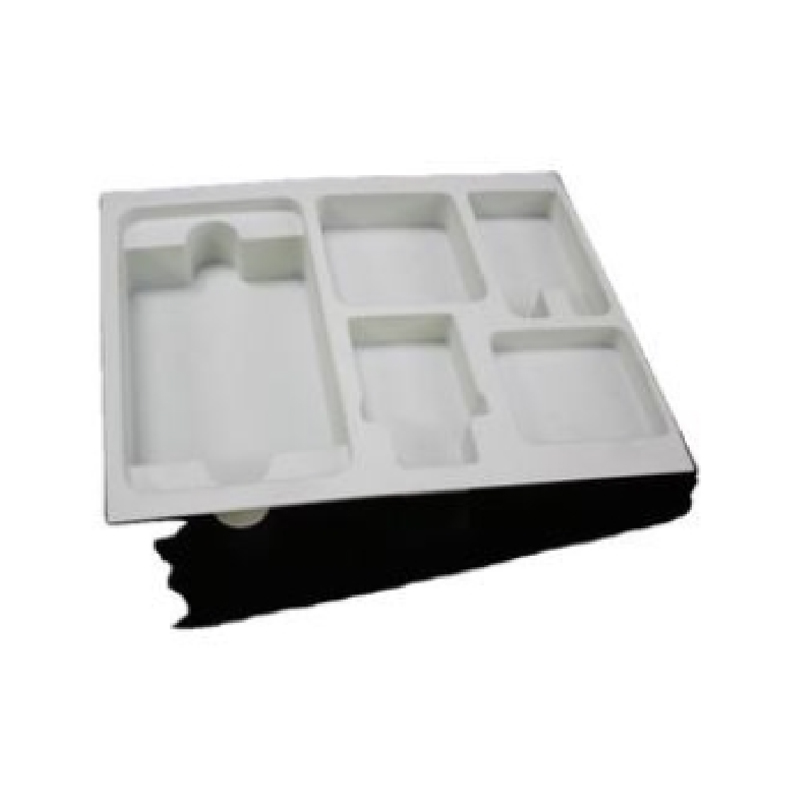
Electronics Industry (Most Common): For the turnover/storage/transportation of precision components such as ICs, chips, capacitors, resistors, camera modules, and motherboards. It prevents scratches, shocks, and static electricity. Dimensional tolerance can reach ±0.1mm, and the damage rate is reduced to below 0.3%.
Automotive Parts: For the bulk turnover of interior parts, small hardware, connectors, rubber parts, etc. It offers stable load-bearing, oil resistance, and stackability.
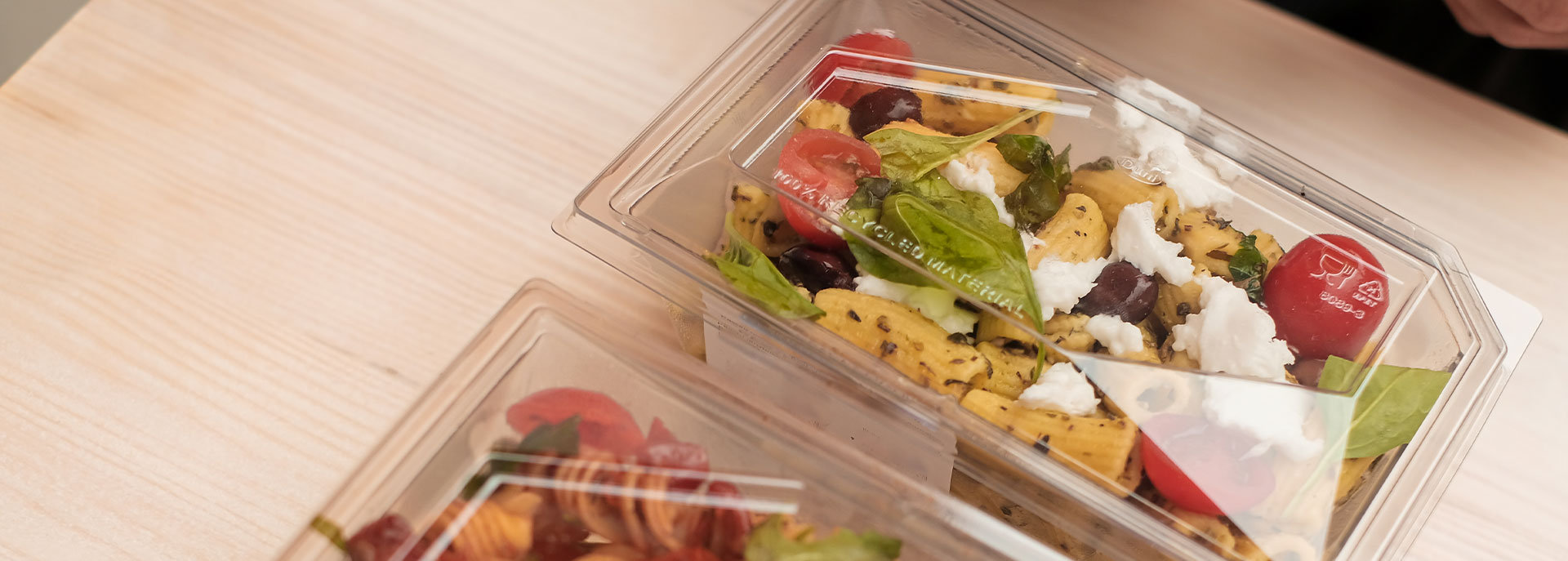
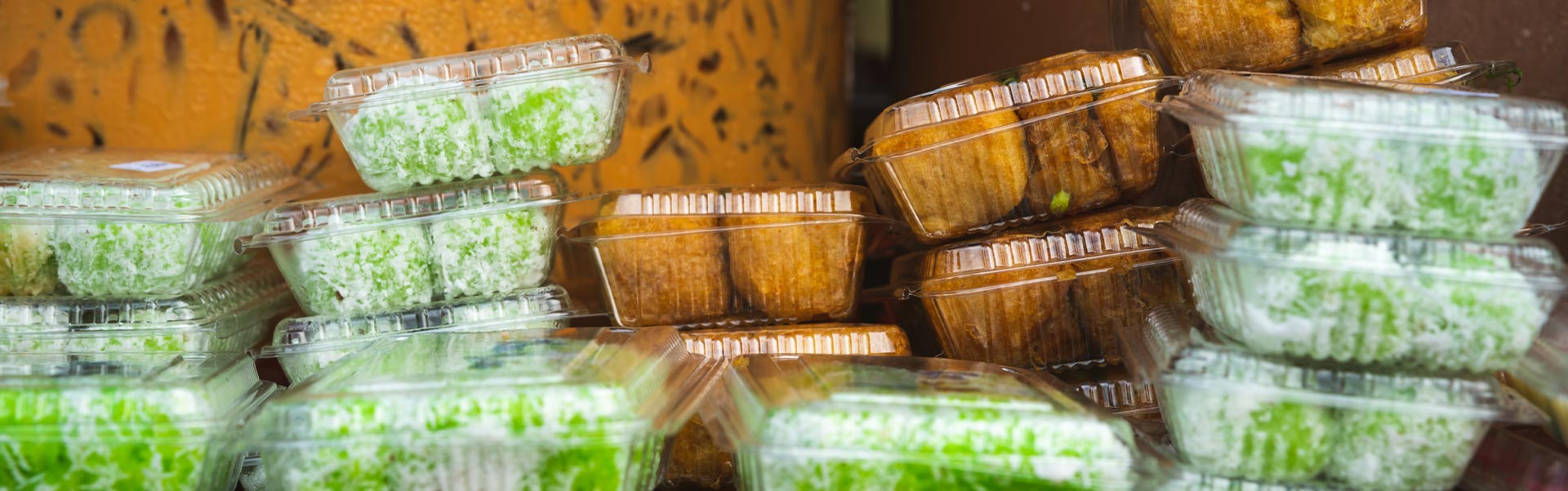
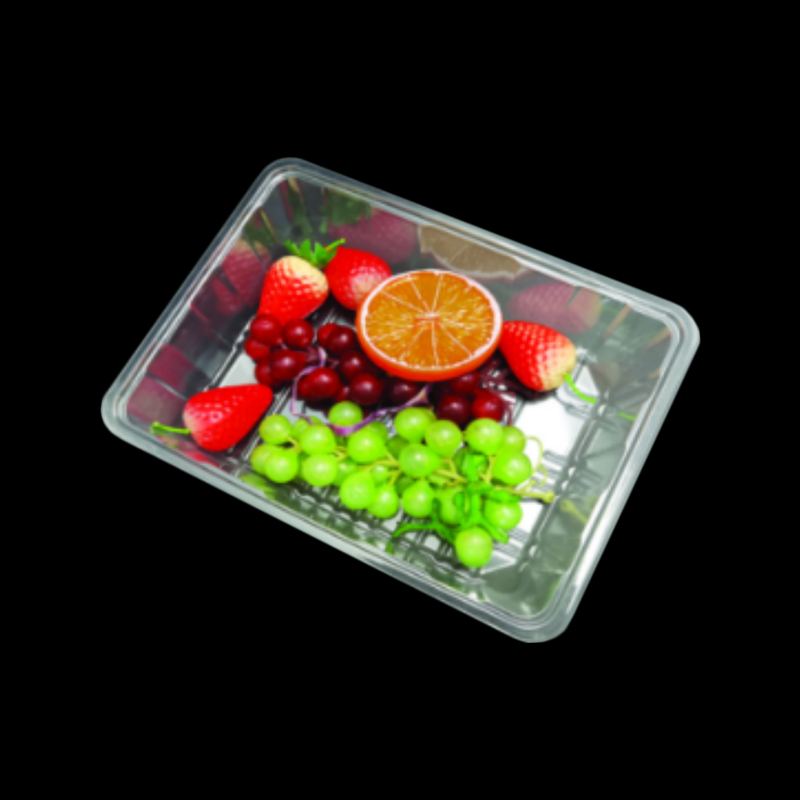
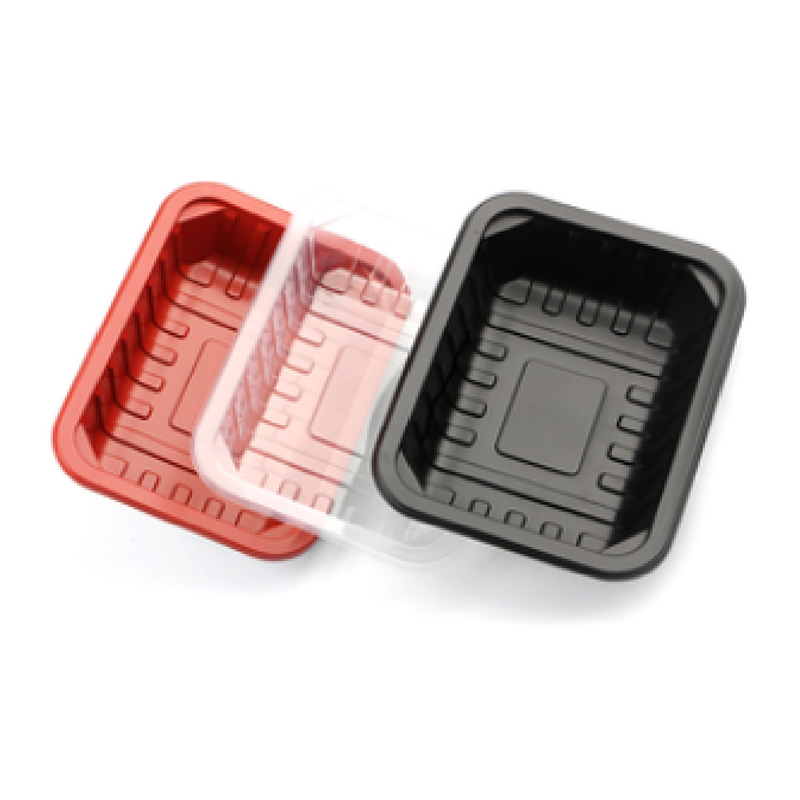
Food Industry: For the packaging/display of fruits and vegetables, pastries, fresh produce, cooked food, etc. It uses food-grade materials, is moisture-proof and fresh-keeping, and is transparent for easy viewing.
Pharmaceutical/Medical Devices: For the sterile packaging/storage of tablets, capsules, syringes, small instruments, etc. It is non-toxic, environmentally friendly, and can be sterilized with epoxy.
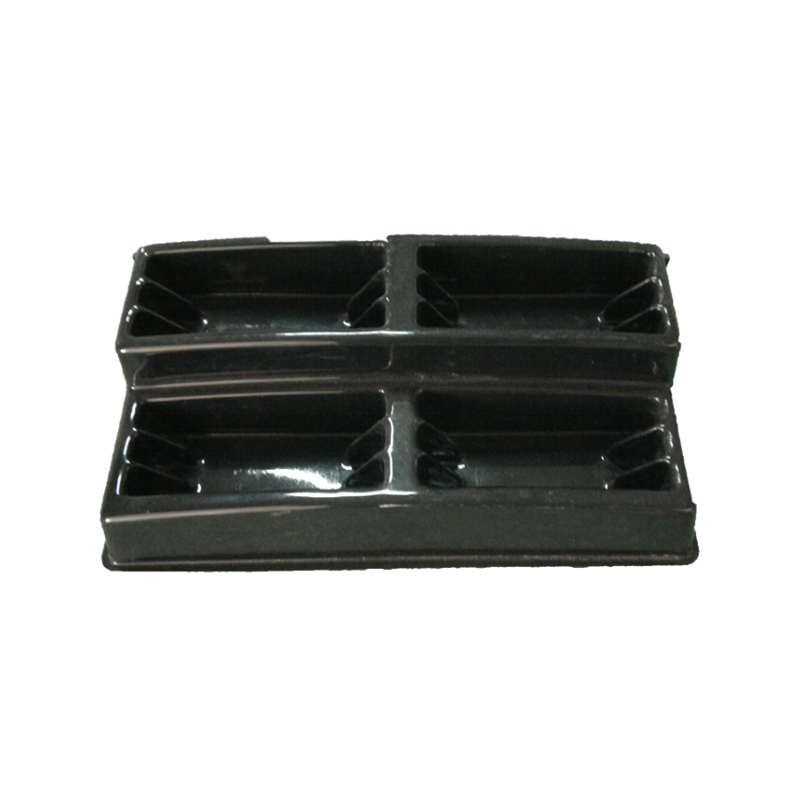
Hardware/Tools: For fixing/preventing collisions of wrenches, screwdrivers, small parts, etc. It is wear-resistant, pressure-resistant, has thickened edges, and is reusable.
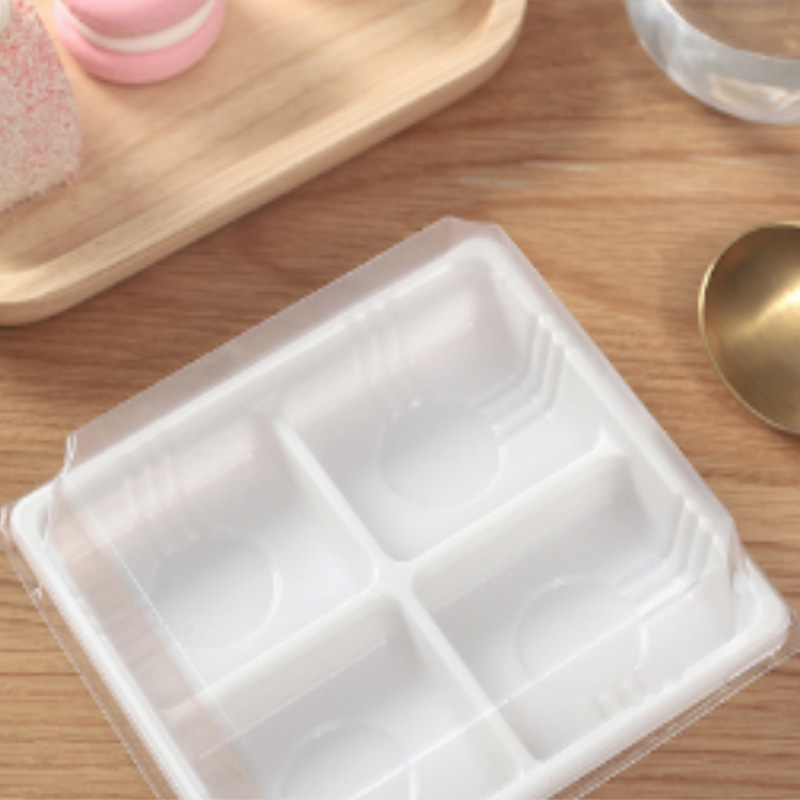
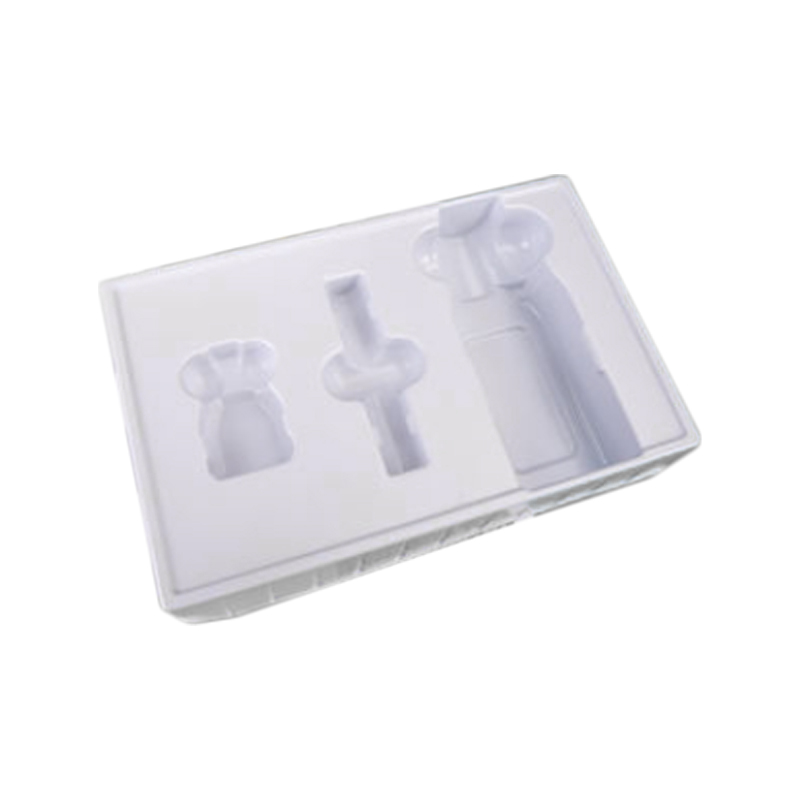
Cosmetics/Gifts: As liners for bottles, jars, and gift boxes to enhance the product grade, fix the product, and prevent scratches.
III. Production Process (Vacuum Blister Forming)
Design and Mold Making: Design the tray structure (grooves/divisions/thickness) according to the product's 3D drawing. Molds are made of aluminum alloy/resin with a lifespan of up to 800,000 cycles.
Material Selection and Cutting: Select sheets such as PET/PP/PS with a thickness of 0.2–12mm (thin sheets 0.2–1mm, thick sheets 2–12mm).
Heating and Softening: The sheet is fed into an electric furnace and heated to a flexible and moldable state at 180–220℃.
Vacuum Forming: The softened sheet covers the mold, and a vacuum pump evacuates air (-0.08~-0.1MPa) to make it adhere closely to the mold for forming.
Cooling and Shaping: Air/water cooling is used to lower the temperature and maintain shape stability.
Cutting/Punching/Trimming: An automatic cutting machine trims the edges, punches holes as needed, and polishes. The dimensional tolerance is within ±0.15mm.
Post-processing (Optional): Anti-static spraying, flocking, gold stamping, printing, etc.
IV. Supporting Services (Full-process Customization)
Custom Design: Provide one-on-one structural design based on product size, shape, weight, and protection requirements (anti-static/shockproof). Free drawing and sampling are available.
Rapid Prototyping: Samples can be produced in 3–5 days, followed by mass production upon confirmation. Flexible adaptation for small-batch trial production and large-batch delivery.
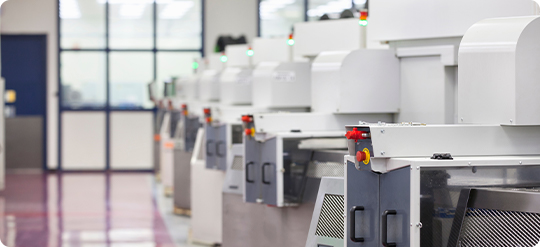
Large-scale Production: Automated servo equipment with a daily capacity of tens of thousands to hundreds of thousands of pieces and a pass rate of ≥98.5%.
Supporting Solutions: Provide a complete packaging set including trays, dividers, covers, and turnover boxes, compatible with automated production lines and robotic arm handling.
After-sales Support: Offer size correction, material upgrading, mold maintenance, and recyclable/remanufacturing services to reduce customer costs.
V. Core Advantages (Compared to Traditional Packaging)
100% Customization: Precisely fits the product's contour to prevent displacement, collision, and scratches. Protection is improved by over 60% compared to general packaging.
Strong Protection: Shockproof, moisture-proof, dust-proof, and anti-static (for electronics). Reduces the damage rate to below 0.3%.
Efficient Turnover and Stacking: Standardized sizes save over 30% of storage space when stacked. Compatible with automated production lines, increasing efficiency by more than 3 times.
Economic and Environmentally Friendly: Can be reused 50–200 times (depending on material) and recycled. Long-term costs are over 40% lower than wooden/paper trays.
Lightweight + High Strength: Over 50% lighter than metal trays, with a load capacity of 5–50kg. Resistant to dropping and wear, suitable for long-distance transportation.
Transparent + Value Enhancement: Transparent materials facilitate quick quality inspection/inventory checking. Liners enhance the product grade and increase terminal appeal.
VI. Selection Points
Size: The inner groove should be 0.1–0.3mm larger than the product to prevent jamming/swaying.
Material: Choose anti-static PET/PP for electronics, food-grade PP/PET for food, and thick ABS/PP sheets for hardware.
Thickness: 0.5–1mm for light loads (<1kg), 1.5–3mm for medium loads (1–5kg), and 4–8mm for heavy loads (>5kg).
Structure: Use fully enclosed grooves for precision parts, and reinforcing ribs + stacking clips for turnover.


 English