Food Blister Packaging Manufacturers
Home / Products / Blister Tray / Food & Fresh Produce Blister Trays

Food & Fresh Produce Blister Trays Manufacturers

I. Product Introduction

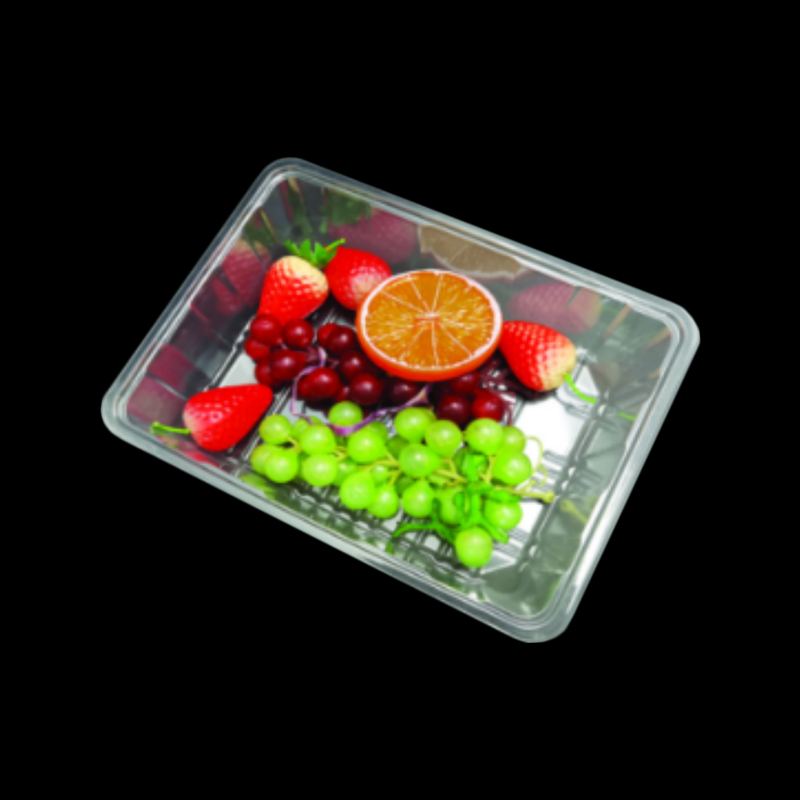
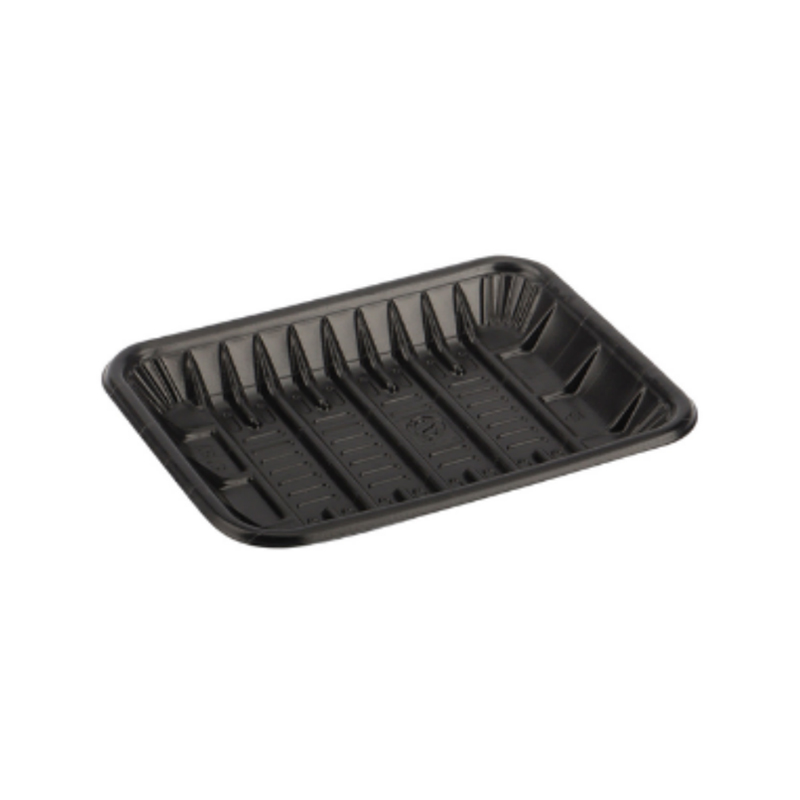
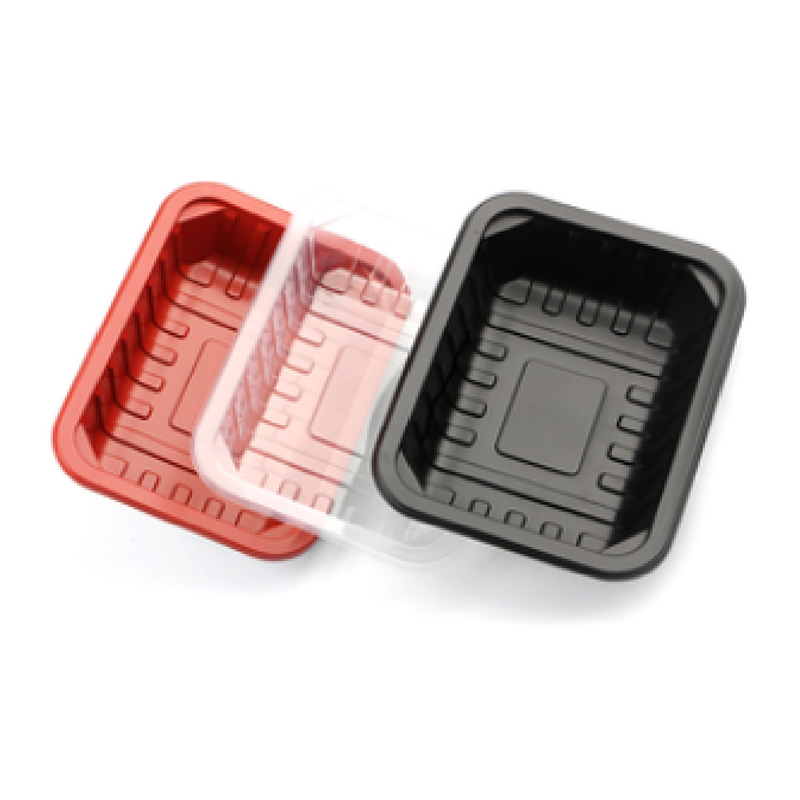
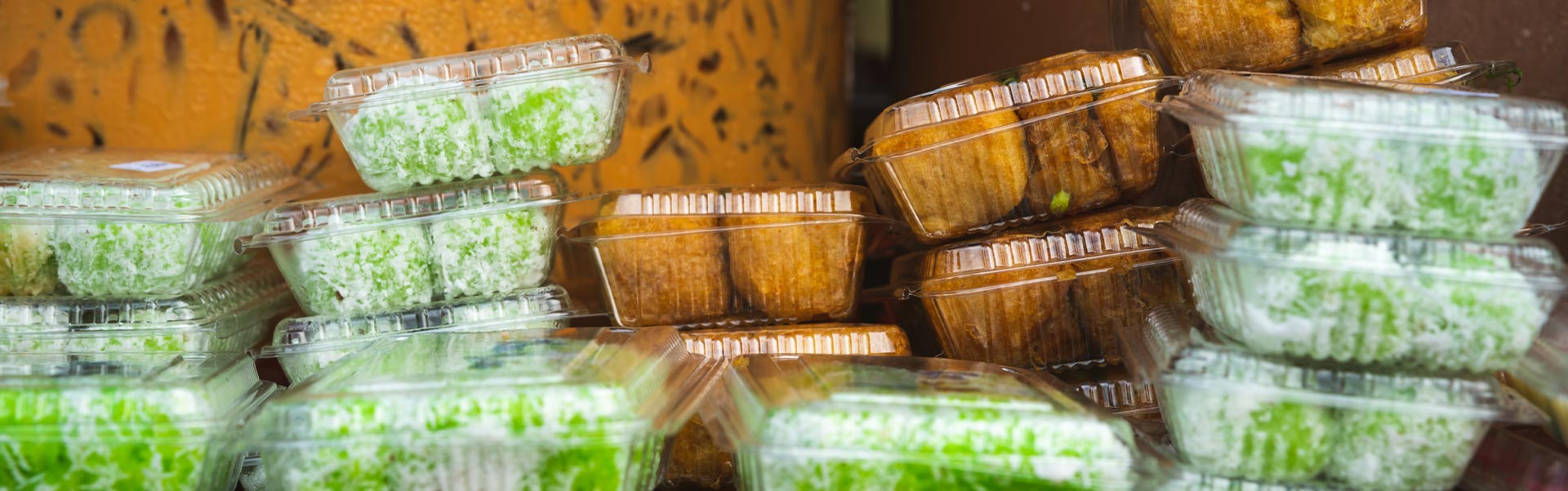
Food-grade blister trays specially for fresh food, made of safe and environmentally friendly materials, customizable, used for fresh-keeping, shock-proof and display, suitable for food packaging, storage, sales and other scenarios.

II. Core Application Scenarios

- Eggs: Protect eggs, duck eggs and quail eggs from breakage

- Fruits and Vegetables: Fresh-keeping and display of fresh fruits and vegetables such as strawberries and grapes

- Fresh Meat and Seafood: Packaging for fresh meat, fish and shellfish, low-temperature resistant and waterproof

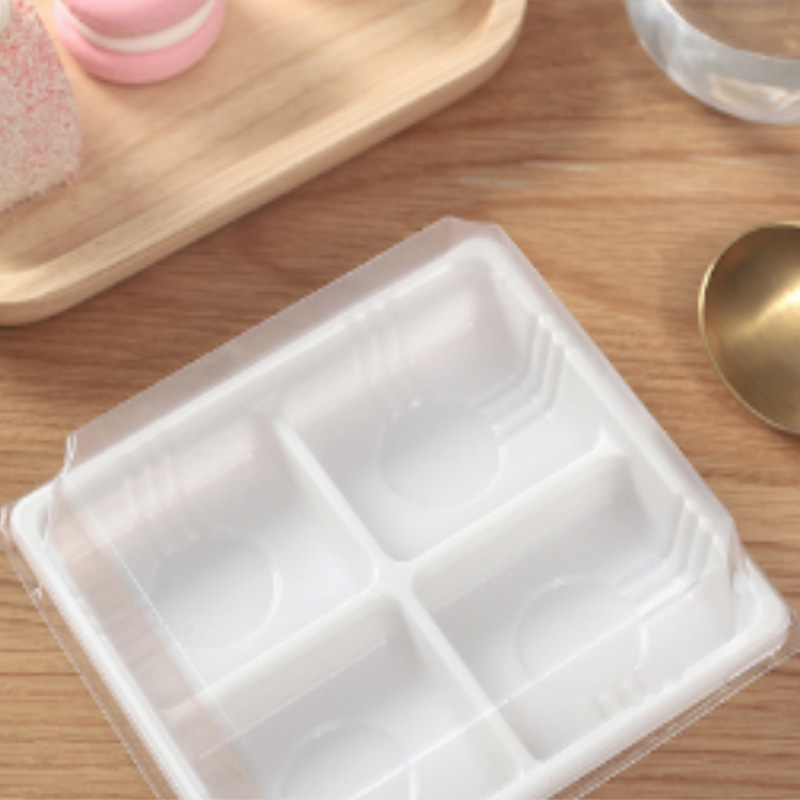
- Baked Goods: Liner for cakes and pastries to prevent extrusion

- Takeout: Disposable trays for fast food and cooked food, clean and convenient

III. Production Process and Flow

1. Raw Material Selection: Food-grade environmentally friendly materials, non-toxic and odorless

2. Mold Customization: Designed according to food size to ensure fit

3. Vacuum Blister: Automatic forming with uniform thickness

4. Cutting and Trimming: Smooth edges for safe use

5. Quality Inspection: Strictly test safety and service performance

6. Packaging and Delivery: Hygienic packaging and accurate delivery to the designated location

IV. Exclusive Service Guarantee

- Customization Service: One-to-one customization, supporting small and large batch orders

- Sample Service: Free sample delivery, production after confirmation

- Quality After-sales: Replacement or return available within the warranty period

- Logistics and Distribution: Cooperate with multiple logistics companies, supporting expedited delivery

- Technical Support: Professional consultation to optimize packaging and fresh-keeping solutions

V. Core Product Advantages

- Food-grade Safety: Non-toxic and odorless, meeting food contact standards

- Good Fresh-keeping: Waterproof and low-temperature resistant, locking in food freshness

- Shock-proof and Damage-proof: Fit food to prevent extrusion and breakage

- Customizable: Design size and shape on demand to adapt to various fresh foods

- Convenient and Practical: Lightweight, suitable for sales, storage and transportation

- High Cost Performance: Low mass production cost, supporting small-batch customization

About Us
Kunshan Paiteng Packaging Products Co., Ltd.

The headquarters of Paiteng Company (Kunshan Paiteng Packaging Products Co., Ltd.) was established in 2015, and Paiteng Philippines was founded in 2017. After seven years of development, Paiteng Packaging has become a comprehensive manufacturing enterprise with modern management level, excellent technology, and strong strength, integrating plastic bags, vacuum forming, and die-cutting. Food Blister Trays Manufacturers and Fresh Produce Blister Trays Factory in China.
Blister packaging, plastic bags, and die-cutting – all under one roof. Simplify your supply chain with a single trusted partner.
Kunshan, Philippines, and Guangdong. Fast response, stable supply, and reduced logistics risks for customers worldwide.
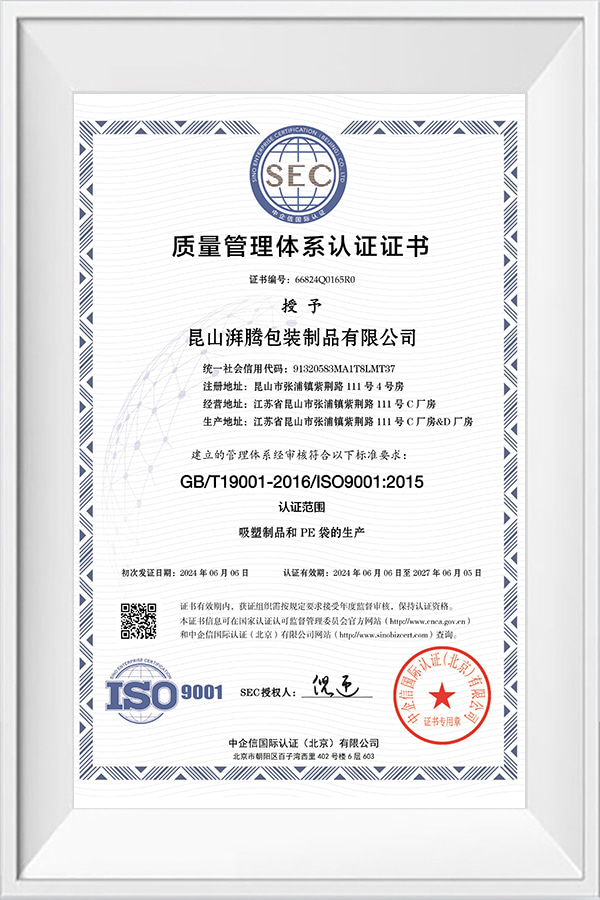
ISO9001 & ISO14001 certified. 40+ advanced machines, 23 patents, and continuous investment in automation.
Better quality, competitive price, superior service. As we always say: “Customer satisfaction is our standard.”
We are committed to delivering packaging solutions that are not only reliable and cost-effective but also kinder to our environment. Blister Packaging For Food Products We look forward to cooperating with you!
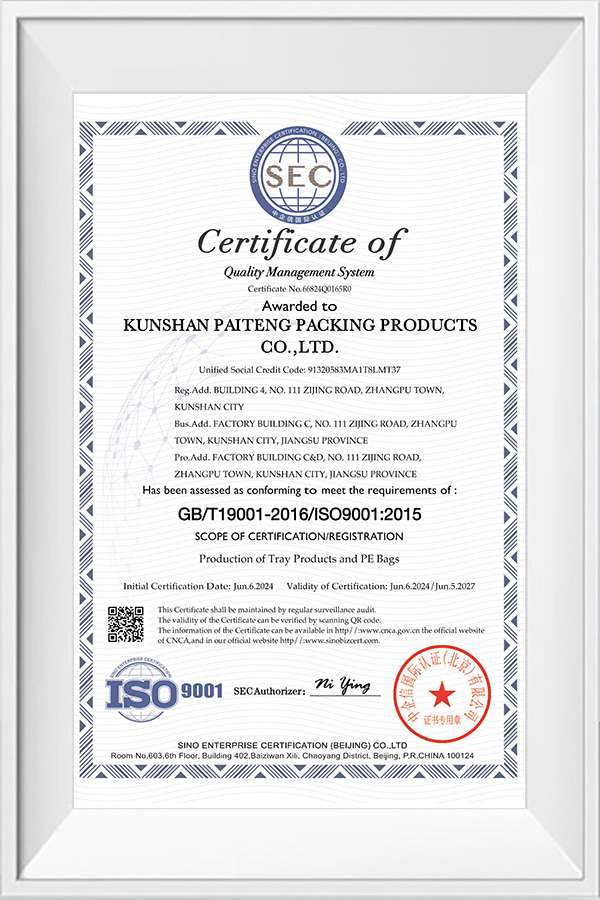
Certificate Of Honor
  • ISO9001
  • ISO9001
News
Industry knowledge

Industry Knowledge

Food-Grade Material Certification: What Actually Needs to Be on the Paperwork

Paiteng treats food-contact certification as a per-order requirement rather than a one-time company certificate, because regulations differ significantly depending on the destination market and the food type involved. FDA 21 CFR 177.1520 covers olefin polymers like PP and PE used in direct food contact within the US, while the EU applies Regulation (EC) No 1935/2004 alongside migration limits under Regulation (EU) No 10/2011, which sets maximum allowable transfer of substances from packaging into food. A supplier producing Food Blister Packaging for both US and EU clients needs migration test reports specific to each region, since a certificate valid for one market doesn't automatically cover the other — a detail that trips up buyers who assume "food-grade" is a universal label rather than a jurisdiction-specific one.

  • FDA 21 CFR 177.1520 — required for US food-contact PP and PE packaging
  • EU Regulation 10/2011 — sets specific migration limits for the European market
  • Migration test reports should be batch-specific, not a blanket company certificate

Ventilation Hole Patterns and Why They Determine Shelf Life

Ventilation design on food blister trays is often treated as an afterthought, but hole size, count, and placement directly affect how fast moisture builds up inside a sealed tray, which in turn drives mold growth and spoilage rate. Too few vent holes trap condensation against the produce surface, accelerating decay, while too many holes let moisture escape too quickly and cause premature wilting in leafy items. The right pattern depends heavily on the product's respiration rate — berries and mushrooms need higher airflow than root vegetables, since they release more moisture and carbon dioxide during storage.

Ventilation guidelines by produce type

Produce Type Respiration Rate Vent Density Recommendation
Berries, mushrooms High High — larger, more frequent vents
Leafy greens, herbs Medium-high Medium — balanced to avoid wilting
Root vegetables, apples Low Low — fewer vents needed

Designing Fresh Produce Blister Trays around actual respiration data rather than a standard hole pattern is what typically separates a tray that extends shelf life from one that just holds the product in place — a distinction that comes up constantly when Paiteng works through mold design with produce packers.

RPET vs Virgin PET for Food Trays: What Buyers Should Weigh

Recycled PET has become a common request from retailers pushing sustainability targets, but not all RPET performs the same as virgin PET in food applications, and buyers should go in aware of the tradeoffs rather than assuming it's a drop-in substitute. Food-grade RPET must go through a decontamination process approved for direct food contact, which adds cost compared to standard recycled resin used in non-food packaging. Clarity is typically slightly lower than virgin PET, and RPET sheet can show minor color variation batch to batch depending on the source material, which matters for brands relying on tray clarity as part of shelf presentation. On the plus side, RPET performs nearly identically to virgin PET in terms of barrier properties and structural strength, so the tradeoff is mostly cosmetic and cost-related rather than functional.

  • Food-grade RPET requires decontamination certification, unlike standard recycled PET
  • Clarity and color consistency are typically slightly lower than virgin PET
  • Barrier and structural performance are largely comparable to virgin resin

Temperature Range Testing for Cold Chain Food Packaging

A tray that seals and holds shape at room temperature can still fail once it enters a cold chain, since plastic becomes more brittle as temperature drops and seal adhesives don't always perform consistently across a wide range. Any packaging destined for refrigerated or frozen distribution should be tested across the full range it will realistically experience — typically -18°C for frozen storage up to 4°C for standard refrigeration — rather than just at ambient conditions, because seal strength and impact resistance can shift meaningfully at the cold end of that range. Condensation cycling tests, where a tray moves repeatedly between cold storage and warmer ambient air, also reveal whether repeated moisture exposure weakens the seal over time, which single-temperature testing won't catch. Blister packaging for food products moving through multi-stop cold chain distribution benefits from this kind of cycling test far more than a one-time drop test at a single temperature point, since Paiteng has found that most in-transit failures happen at the temperature transition points rather than during steady storage.

  • Test seal strength at both -18°C and standard refrigeration temperatures
  • Run condensation cycling tests to simulate repeated temperature transitions
  • Check impact resistance at the coldest point in the distribution chain, not just ambient