Industrial Packaging PE Bags Wholesale
Home / Products / PE Bags / Industrial Packaging PE Bags

Industrial Packaging PE Bags Manufacturers

I. Product Introduction

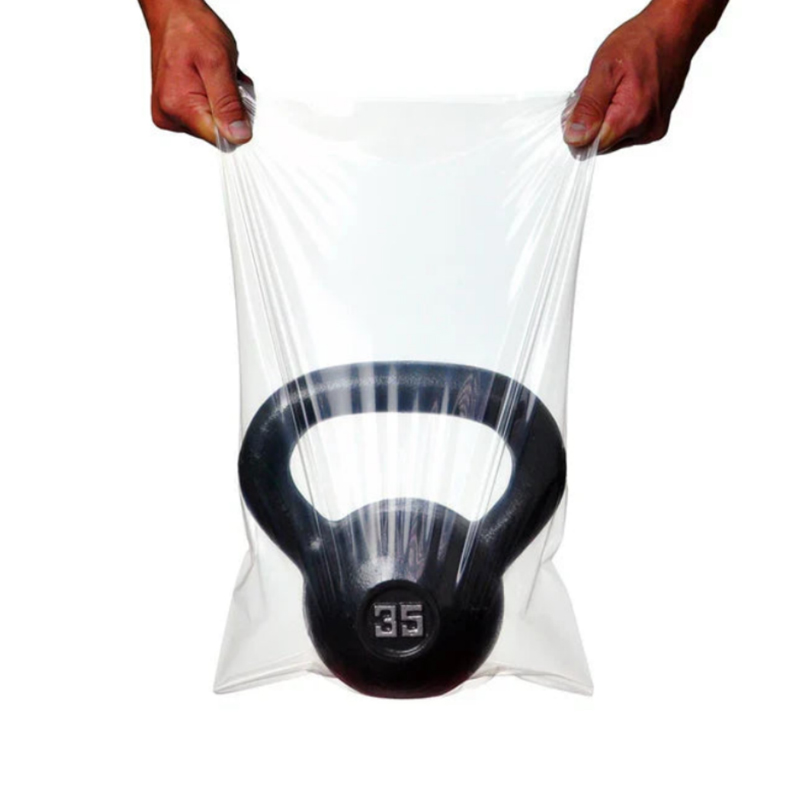
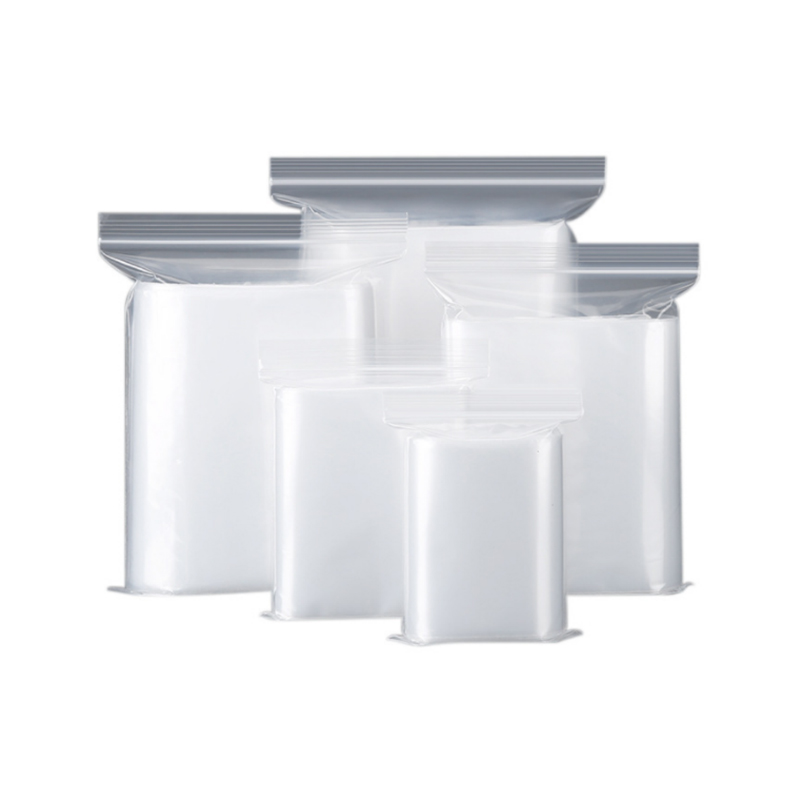
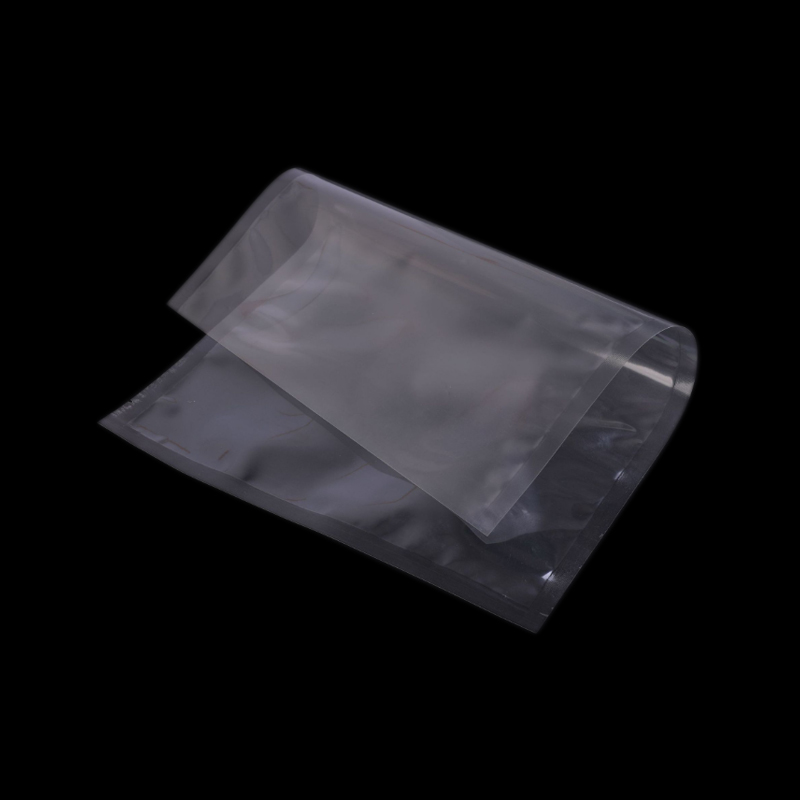
Industrial packaging PE bags are made of food-grade/industrial-grade PE materials, featuring soft texture and high toughness. Customizable in size, they are mainly used for product packaging, protection and storage in industrial scenarios, suitable for various industrial material packaging needs.

II. Core Application Scenarios

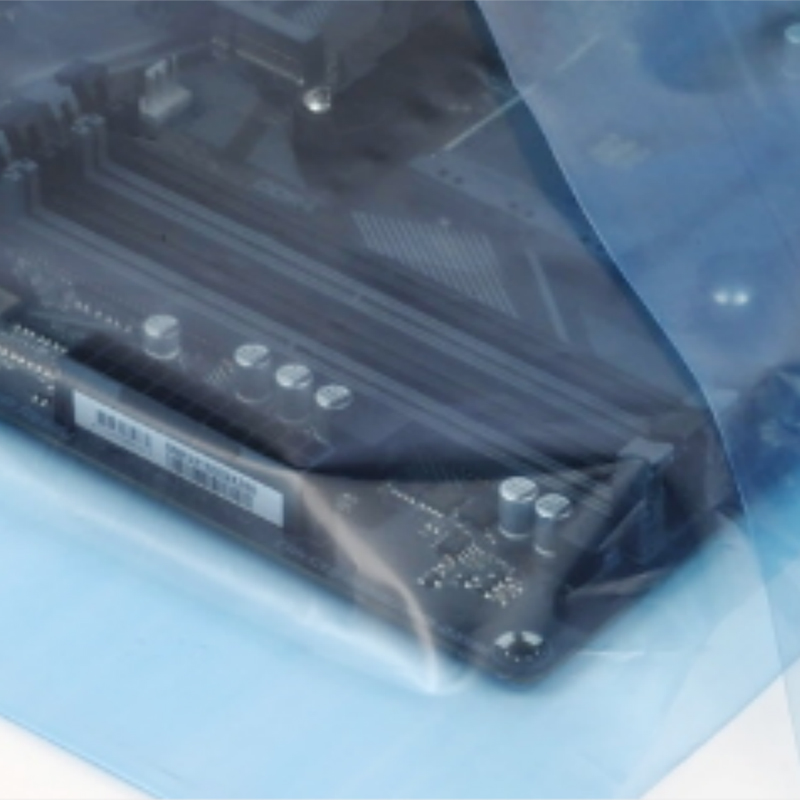
- Material Packaging: Used for packaging hardware parts, electronic accessories and small workpieces, preventing pollution, dust and collision.

- Turnover Protection: For workshop material turnover and semi-finished/finished product packaging, wear-resistant and stretch-resistant.

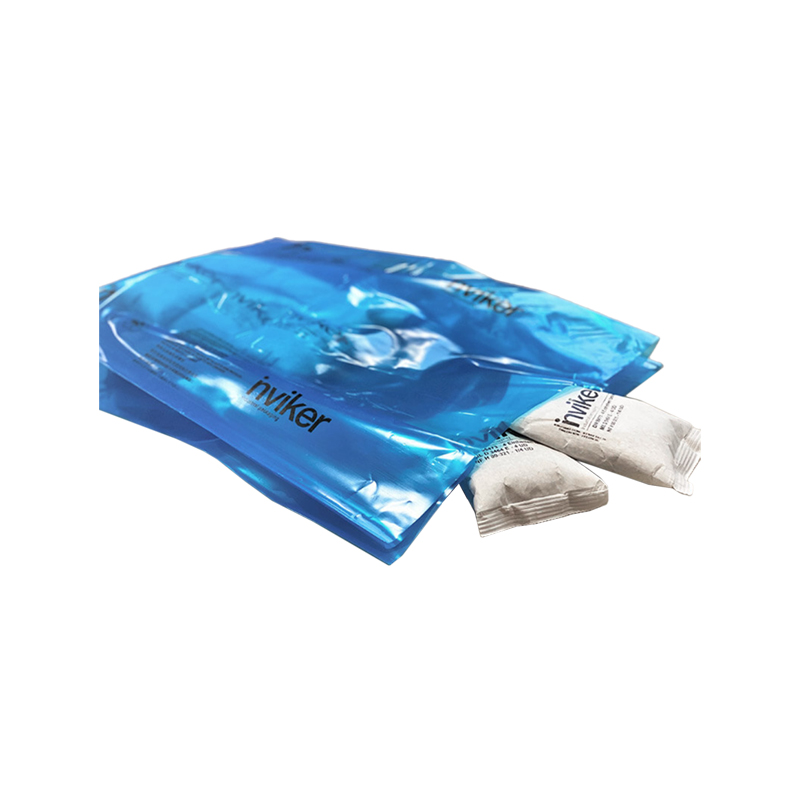
- Sealed Storage: For storing small industrial consumables and parts, moisture-proof, anti-oxidation and easy for classified management.

III. Production Process (Simplified)

1. Raw Material Selection: Adopt industrial-grade PE raw materials, non-toxic, stretch-resistant, meeting industrial packaging standards.

2. Blown Film Forming: Automatic film blowing, ensuring uniform thickness and strong bag toughness.

3. Cutting and Sealing: Precise cutting and firm sealing, with smooth and burr-free edges.

4. Quality Inspection: Check thickness and sealing performance to ensure compliance with industrial use requirements.

IV. Service Guarantee

- Customization Support: Customizable in size, thickness and printed logos according to needs.

- Free Samples: Provide free samples for confirmation before mass production.

- After-sales Guarantee: Replacement or return is available for quality issues, with professional technical consultation and solutions.

V. Core Advantages

- High-quality Material: Industrial-grade PE material, wear-resistant, stretch-resistant and not easy to break.

- Strong Adaptability: Customizable size, suitable for various industrial material packaging.

- Cost-Effective: Low cost for mass production, reusable (some styles).

- Safe and Convenient: Non-toxic and environmentally friendly, easy to use, store and transport.

About Us
Kunshan Paiteng Packaging Products Co., Ltd.

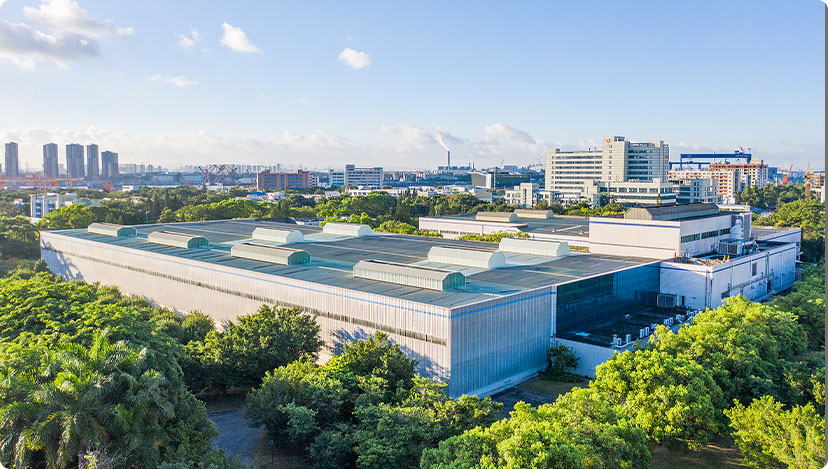
The headquarters of Paiteng Company (Kunshan Paiteng Packaging Products Co., Ltd.) was established in 2015, and Paiteng Philippines was founded in 2017. After seven years of development, Paiteng Packaging has become a comprehensive manufacturing enterprise with modern management level, excellent technology, and strong strength, integrating plastic bags, vacuum forming, and die-cutting. Industrial Packaging PE Bags Manufacturers and Industrial Packaging PE Bags Factory in China.
Blister packaging, plastic bags, and die-cutting – all under one roof. Simplify your supply chain with a single trusted partner.
Kunshan, Philippines, and Guangdong. Fast response, stable supply, and reduced logistics risks for customers worldwide.
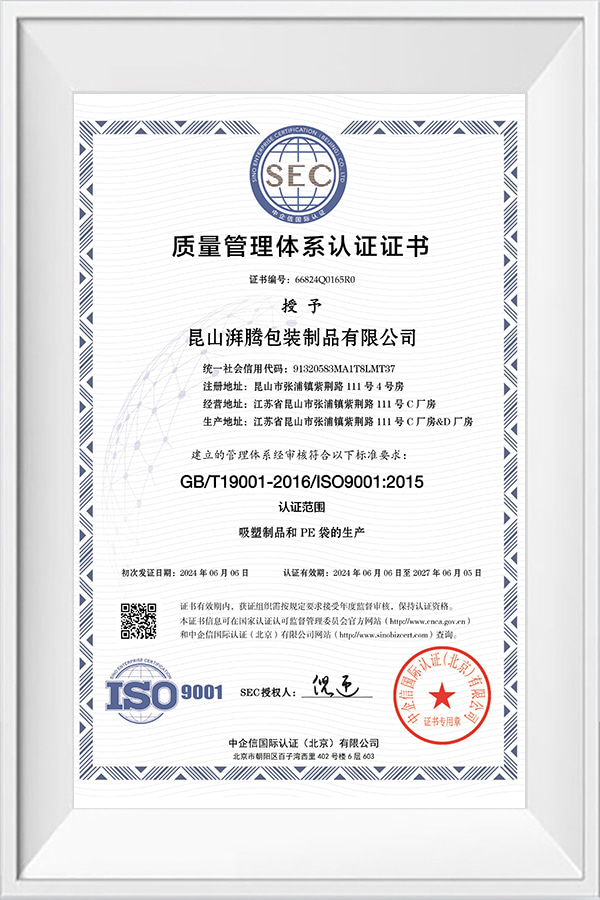
ISO9001 & ISO14001 certified. 40+ advanced machines, 23 patents, and continuous investment in automation.
Better quality, competitive price, superior service. As we always say: “Customer satisfaction is our standard.”
We are committed to delivering packaging solutions that are not only reliable and cost-effective but also kinder to our environment. Wholesale Industrial Packaging PE Bags We look forward to cooperating with you!
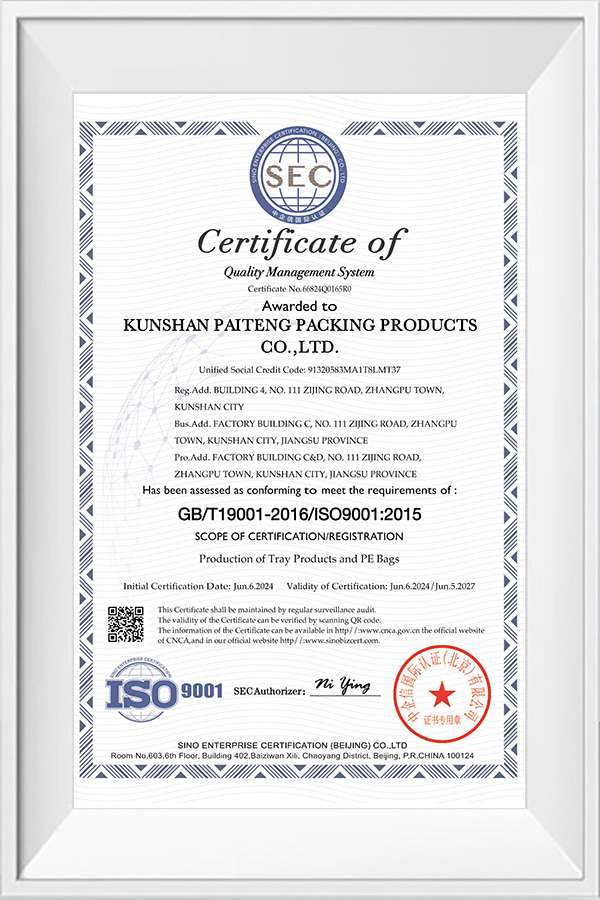
Certificate Of Honor
  • ISO9001
  • ISO9001
News
Industry knowledge

Industry Knowledge

Matching Bag Gauge to Load Weight: Where Most Industrial Buyers Get It Wrong

Paiteng regularly sees buyers select bag gauge based on a supplier's general recommendation rather than the actual load profile, which leads to bags that either fail under weight or use far more material than the job requires. Static weight capacity — how much a bag holds while sitting still — is only part of the equation; dynamic load during lifting, dropping, or vibration during transport puts stress on the bag that can be two to three times the static weight at the moment of impact. A 4 mil LDPE bag might comfortably hold 20kg of static weight but tear during a single rough forklift drop if the resin blend and seal weren't specified for that kind of shock loading. This is why gauge selection should start from the handling method — hand-carried, palletized, or mechanically loaded — rather than from the product weight alone.

Load Weight Recommended Gauge Handling Method
Under 5kg 1.5–2 mil Hand-carried, light stacking
5–20kg 3–4 mil Palletized, occasional mechanical handling
20kg and above 5–6 mil or reinforced LLDPE blend Forklift or conveyor loading, repeated shock

Sourcing Industrial Packaging PE Bags rated for the actual handling method, rather than static weight alone, is the single most effective way to reduce failure rates on the warehouse floor.

Seal Configuration Choices for Bags Holding Granules, Powders, and Loose Parts

The contents inside an industrial PE bag change which seal configuration actually holds up in practice, and this is a detail that gets overlooked far more often than resin selection. Fine powders and granules tend to work their way into standard heat seals over repeated handling, gradually widening microscopic gaps until the seal fails from the inside out — a problem that a simple visual seal inspection won't catch before shipping. A double-bar heat seal, which runs two parallel seal lines instead of one, traps loose material between the lines rather than letting it migrate directly to the seal edge, extending seal life significantly for granular contents. For loose or irregularly shaped parts like machined components or hardware, gusseted side seams distribute weight more evenly across the bag's width instead of concentrating stress at the bottom corners, reducing the chance of corner blowouts during lifting.

Seal choices by content type

  • Fine powders/granules: double-bar heat seal to prevent material migration into the seal line
  • Loose hardware or irregular parts: gusseted seams for even weight distribution
  • Sharp-edged components: reinforced corner seals to resist localized puncture

Paiteng adjusts seal configuration per content type at the quoting stage rather than defaulting to a single standard seal across all industrial orders, since the failure modes for powders and hardware are different enough to need different solutions.

Additive Packages for Long-Term Outdoor or Warehouse Storage

Bags destined for long-term storage — whether stacked in an uncovered yard or sitting in a warehouse for months before use — face degradation risks that short-transit packaging never encounters, and additive selection at the resin stage is usually more cost-effective than upgrading to a thicker base film. UV stabilizers slow the breakdown of the polymer chain under sustained sunlight exposure, which matters for any bag stored outdoors even under a tarp, since UV degradation can still occur through diffused light. Anti-oxidant additives address a separate issue — thermal and oxidative degradation that happens gradually even without direct sun exposure, particularly in bags stored in hot warehouse environments for extended periods. For bags in contact with damp concrete flooring or exposed to condensation cycles, moisture-resistant treatments prevent the film from becoming brittle at the point of ground contact, which is often where storage-related failures start.

  • UV stabilizers: essential for any bag stored outdoors, even under partial cover
  • Anti-oxidants: address slow thermal degradation in hot warehouse storage
  • Moisture-resistant treatment: reduces brittleness at ground-contact points

When to Move Beyond Standard PE Bags to Bulk or FIBC Formats

Standard PE bags have a practical weight ceiling, and pushing past it with a thicker film rather than switching formats often costs more than it solves. Once a single load exceeds roughly 25-30kg, or when handling shifts from manual to mechanical lifting on a regular basis, flexible intermediate bulk containers (FIBCs) typically outperform reinforced standard bags on both cost per kilogram handled and failure rate, since FIBCs are engineered with woven fabric and lifting loops specifically for that load range. The tradeoff is flexibility — FIBCs make sense for consistent, large-volume shipments of a single material, but they lose their cost advantage for smaller, mixed-product runs where standard bags remain more practical and far cheaper to source in varied sizes. A useful rule of thumb: if the same load size and handling method repeats across most of a facility's shipments, it's worth running the cost comparison against FIBCs, but for varied load sizes and manual handling, well-specified Industrial Packaging PE Bags generally remain the more economical and flexible choice.