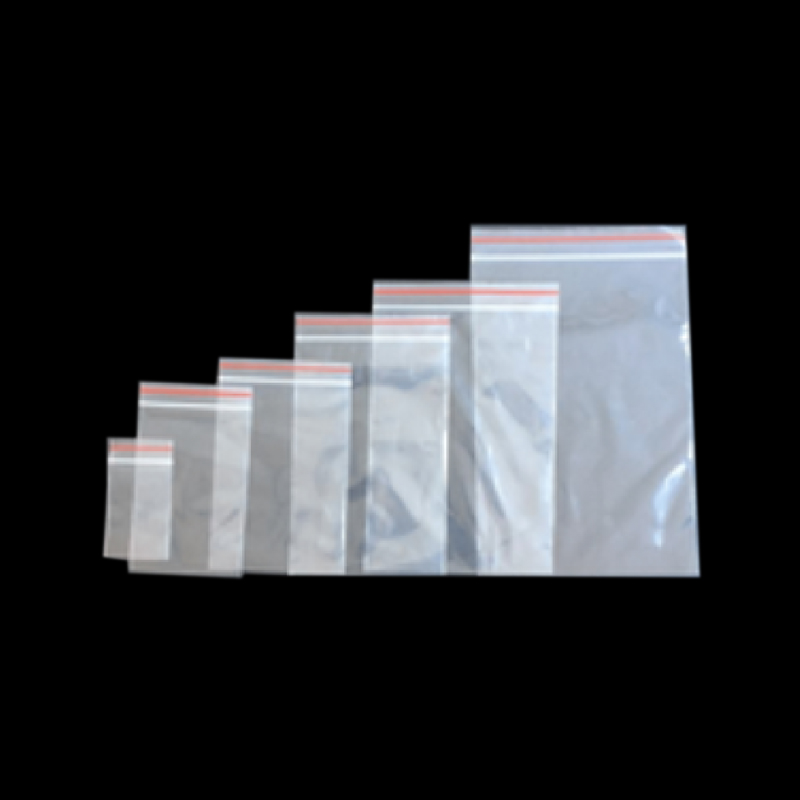
Wholesale Shipping PE Packaging Bags
Home / Products / PE Bags / Logistics & Courier Protective PE Bags

Logistics & Courier Protective PE Bags Manufacturers

I. Product Introduction

Made of food-grade PE material, non-toxic and durable, mainly used for logistics and express packaging to protect goods from collision, dust and moisture.

II. Core Application Scenarios

- Logistics packaging: Suitable for packaging small goods, electronic products, daily necessities, etc.

- Express transportation: Moisture-proof, dust-proof and anti-collision to ensure the safety of goods during transportation.

III. Production and Service

- Production: Food-grade PE raw materials, automatic film blowing, with smooth edges and no burrs.

- Service: Customizable size, free sample provided, replacement available for quality issues.

IV. Core Advantages

- Safe and durable: Food-grade materials, strong toughness and not easy to break.

- Practical and convenient: Light weight, easy to carry and use.

- Cost-effective: Mass production, low cost, suitable for large-scale logistics use.

About Us
Kunshan Paiteng Packaging Products Co., Ltd.

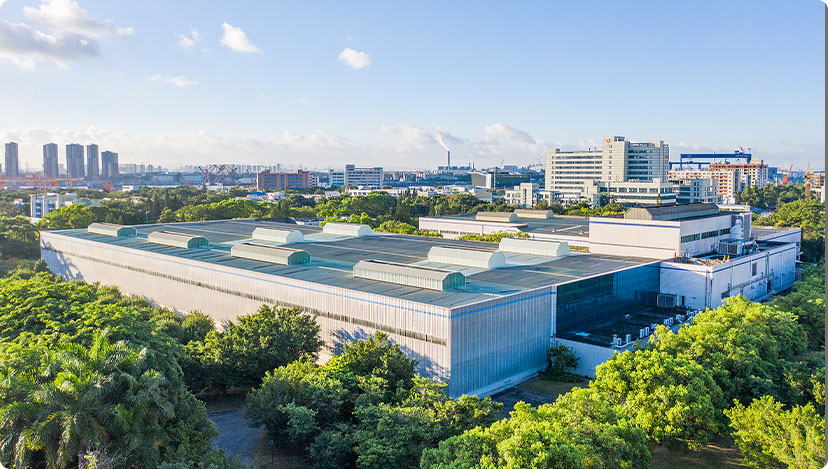
The headquarters of Paiteng Company (Kunshan Paiteng Packaging Products Co., Ltd.) was established in 2015, and Paiteng Philippines was founded in 2017. After seven years of development, Paiteng Packaging has become a comprehensive manufacturing enterprise with modern management level, excellent technology, and strong strength, integrating plastic bags, vacuum forming, and die-cutting. Logistics Protective PE Bags Manufacturers and Courier Protective PE Bags Factory in China.
Blister packaging, plastic bags, and die-cutting – all under one roof. Simplify your supply chain with a single trusted partner.
Kunshan, Philippines, and Guangdong. Fast response, stable supply, and reduced logistics risks for customers worldwide.
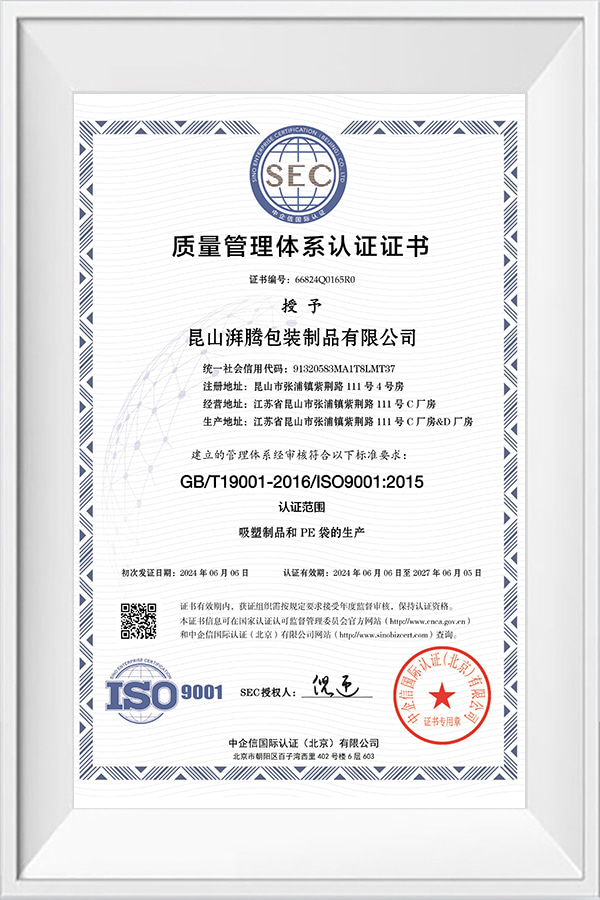
ISO9001 & ISO14001 certified. 40+ advanced machines, 23 patents, and continuous investment in automation.
Better quality, competitive price, superior service. As we always say: “Customer satisfaction is our standard.”
We are committed to delivering packaging solutions that are not only reliable and cost-effective but also kinder to our environment. Wholesale Shipping PE Packaging Bags We look forward to cooperating with you!
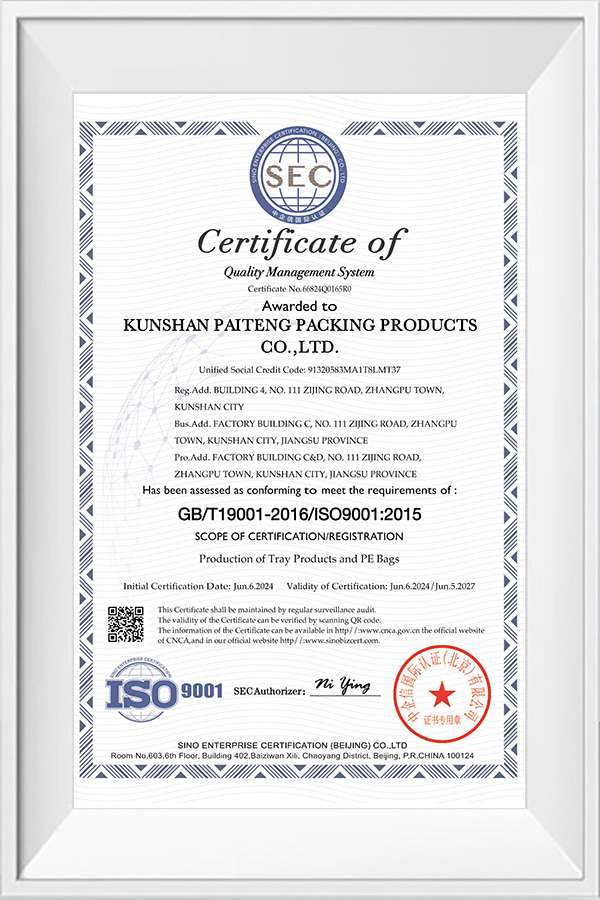
Certificate Of Honor
  • ISO9001
  • ISO9001
News
Industry knowledge

Industry Knowledge

Puncture Resistance vs Tensile Strength: Why Logistics Bags Need Both Tested Separately

At Paiteng, puncture resistance and tensile strength are tested as two separate properties rather than assumed to scale together, since a film can perform well in one and still fail in the other depending on what's damaging it. Tensile strength measures how much stretching force a film withstands before tearing, which matters most during lifting and pulling stress, while puncture resistance measures resistance to a sharp, concentrated point of impact — the kind of damage caused by box corners, staples, or protruding hardware edges during transit. A film engineered mainly for stretch, like standard LDPE, can perform well under tensile load but still puncture easily against a sharp corner, which is exactly the failure mode most common in logistics handling rather than in controlled warehouse storage. Blending LLDPE into the resin formulation improves puncture resistance significantly without sacrificing much stretch, which is why it's become the more common base resin for protective logistics films rather than standard LDPE alone.

  • Tensile strength: resistance to stretching and tearing under lifting or pulling force
  • Puncture resistance: resistance to sharp, concentrated impact from corners or hardware
  • LLDPE blends: generally improve puncture resistance over standard LDPE at equal gauge

Bubble and Foam Lining Integration for High-Impact Protective Bags

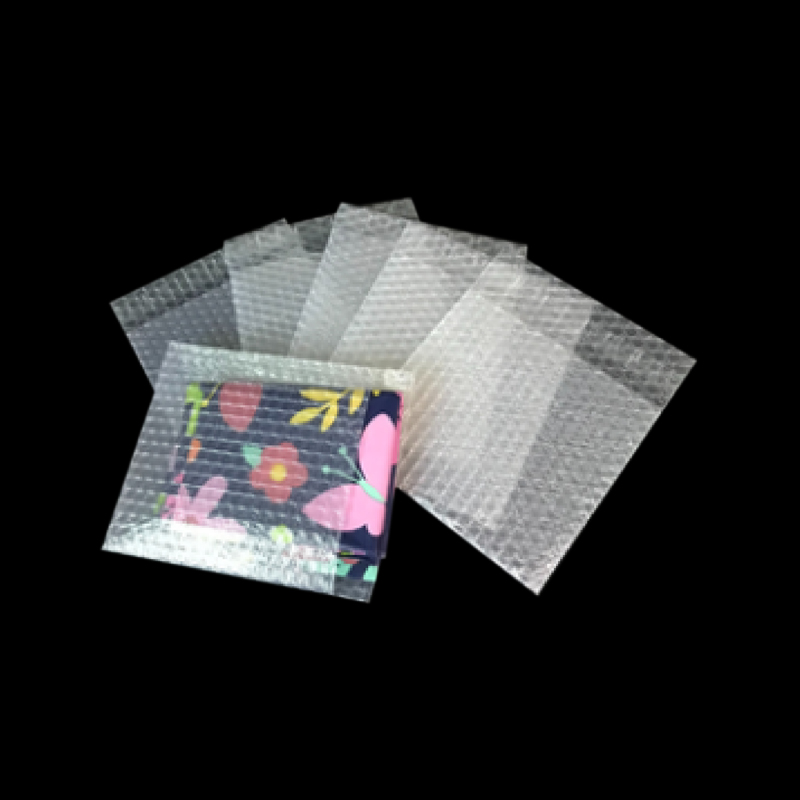
A plain PE bag alone rarely provides enough cushioning for items that are fragile or prone to surface scratching during shipping, which is why many logistics-grade bags integrate a bubble or foam liner directly into the bag structure rather than relying on the outer film alone. Bubble lining works well for absorbing sudden impact shocks — drops, corner hits, and rough handling — but it compresses permanently once crushed, so it offers essentially one-time protection per impact point rather than repeated cushioning. Foam lining, by contrast, tends to recover its shape better after moderate compression, which makes it more suitable for multi-leg shipments where a package gets handled and re-stacked several times before reaching its destination. Choosing between the two depends heavily on the shipping profile — a single-leg express shipment can rely on bubble lining's one-time impact absorption, while a package moving through multiple sortation and transfer points benefits more from foam's repeated-compression recovery.

Lining selection by shipping profile

  • Single-leg express shipments: bubble lining for one-time impact absorption
  • Multi-leg or cross-dock shipments: foam lining for repeated compression recovery
  • Flat, non-fragile items: standard reinforced PE film without added lining is usually sufficient

Matching the lining type to the actual number of handling touchpoints in a shipment, rather than defaulting to bubble lining across the board, is where Paiteng typically finds cost savings for clients shipping through longer, multi-stop logistics networks with Logistics Protective PE Bags.

Self-Seal Adhesive Strips: What Determines Whether They Hold Under Rough Handling

Self-seal adhesive strips are one of the most common closure methods on courier bags because they let warehouse staff seal a bag quickly by hand, but the adhesive formulation behind the strip matters far more than most buyers realize when it comes to holding up during the actual shipping process. A permanent adhesive strip bonds strongly on first contact and resists reopening, which is the standard choice for most courier bags since it also provides a visible tamper indicator if someone attempts to peel and reseal it. Temperature sensitivity is a factor that gets overlooked — some adhesive formulations lose tack in cold warehouse or truck conditions below roughly 5°C, leading to seal failures specifically during winter shipping periods rather than a consistent year-round failure rate. Testing seal strength at the actual temperature range a shipment will pass through, rather than just at room temperature, catches this kind of seasonal failure risk before it shows up as a spike in customer complaints during colder months.

Adhesive Type Cold Weather Performance Tamper Indication
Standard permanent adhesive May lose tack below 5°C Strong, visible on reopen attempt
Cold-weather rated adhesive Maintains tack in low temperatures Strong, visible on reopen attempt

Courier and parcel companies operating year-round should confirm the adhesive's rated temperature range on Courier Protective PE Bags before committing to a supplier, since a seal that performs perfectly in warehouse testing during summer can behave very differently once winter shipping conditions arrive — a gap that shows up in Paiteng's own testing whenever a client's shipping lane crosses into a colder climate zone.

Opacity and Print Coverage for Privacy-Sensitive Courier Shipments

Courier bags carrying personal orders, medical items, or confidential documents need opacity levels that go beyond standard packaging aesthetics, since a bag that's technically opaque under normal lighting can still reveal contents under strong sunlight or warehouse fluorescent lighting if the film isn't pigmented densely enough. Standard white or black PE film typically achieves adequate opacity at 2.5-3 mil thickness, but colored or printed films with lighter base pigment sometimes need additional titanium dioxide loading to reach the same opacity at the same gauge, which is a detail that gets missed when buyers focus purely on the visual color match rather than the actual light-blocking performance. Full-coverage printing across the bag surface can also serve a functional purpose beyond branding, since a densely printed design adds an additional opacity layer on top of the base film pigmentation, which is worth factoring in when deciding between minimal branding and full-surface print coverage for privacy-sensitive shipments.

  • Test opacity under direct sunlight and warehouse lighting, not just standard indoor light
  • Confirm titanium dioxide loading for lighter or custom-colored film pigmentation
  • Consider full-surface printing as an added opacity layer, not just a branding choice