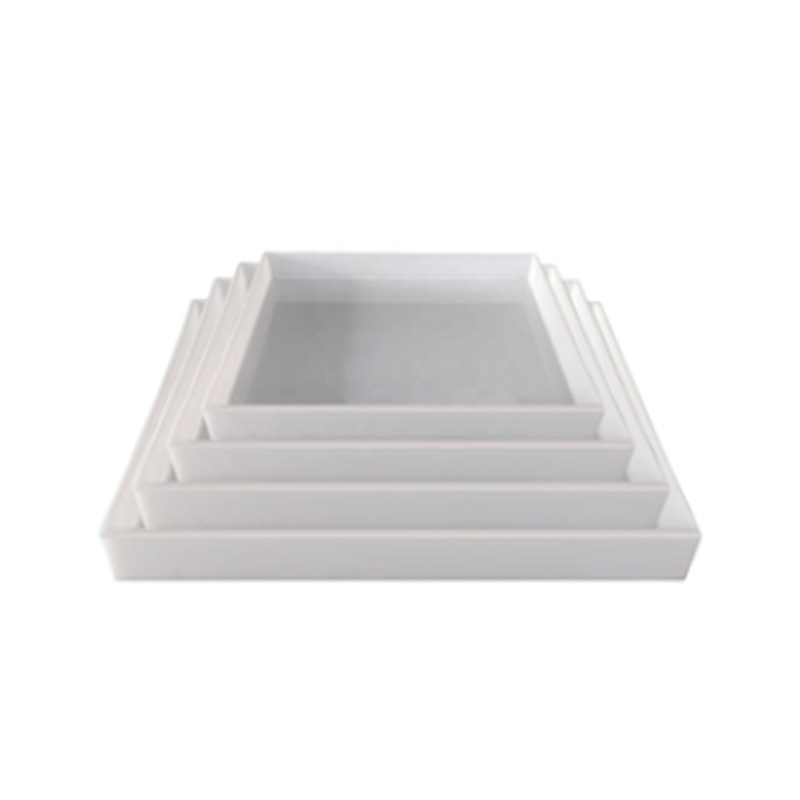
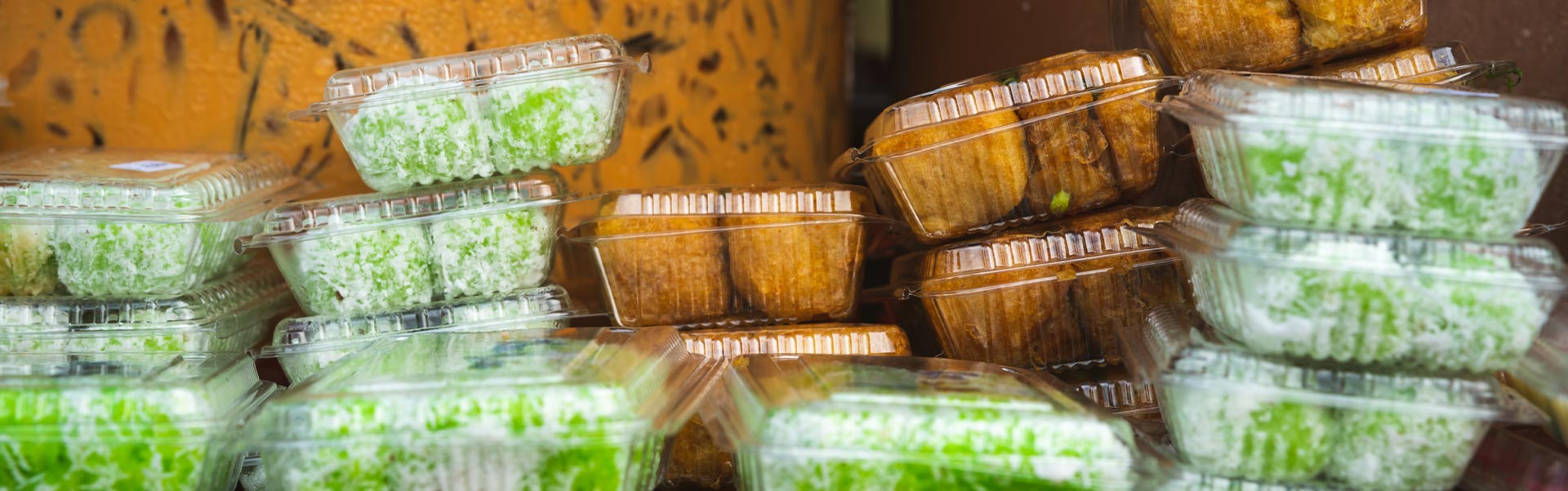
Medical Blister Trays Manufacturers
Home / Products / Blister Tray / Medical, Stationery & Agricultural Blister Trays

Medical, Stationery & Agricultural Blister Trays Manufacturers

I. Product Introduction

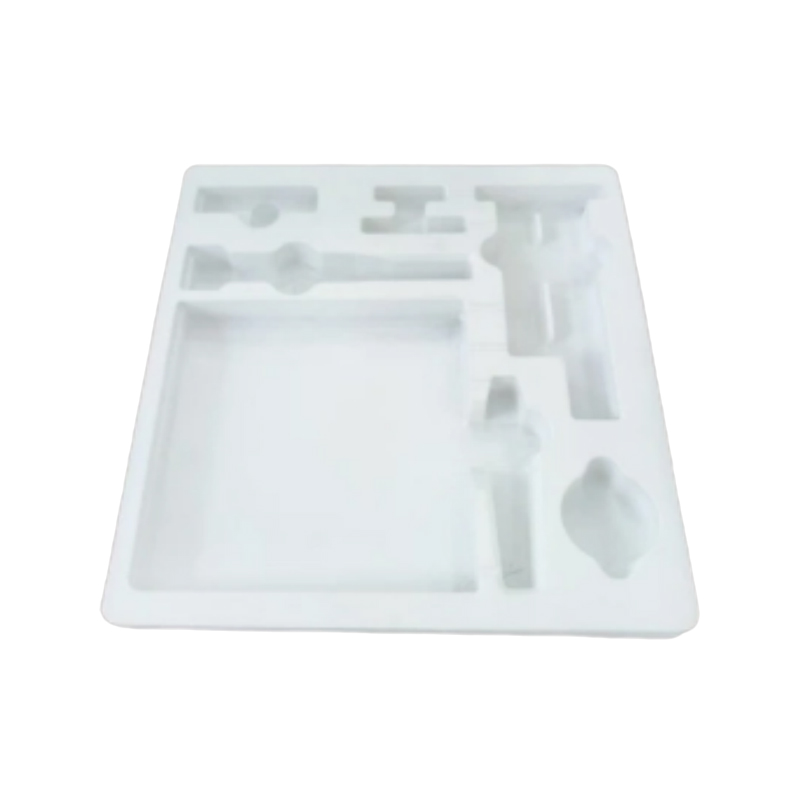
Special blister trays for medical, stationery and agricultural use, made of safe and environmentally friendly materials, customizable, used for protection, storage and sorting, suitable for medical packaging, stationery storage, agricultural seedling cultivation and other scenarios.

II. Core Application Scenarios

- Medical: Packaging for medical devices and disposable medical supplies, sterile and safe

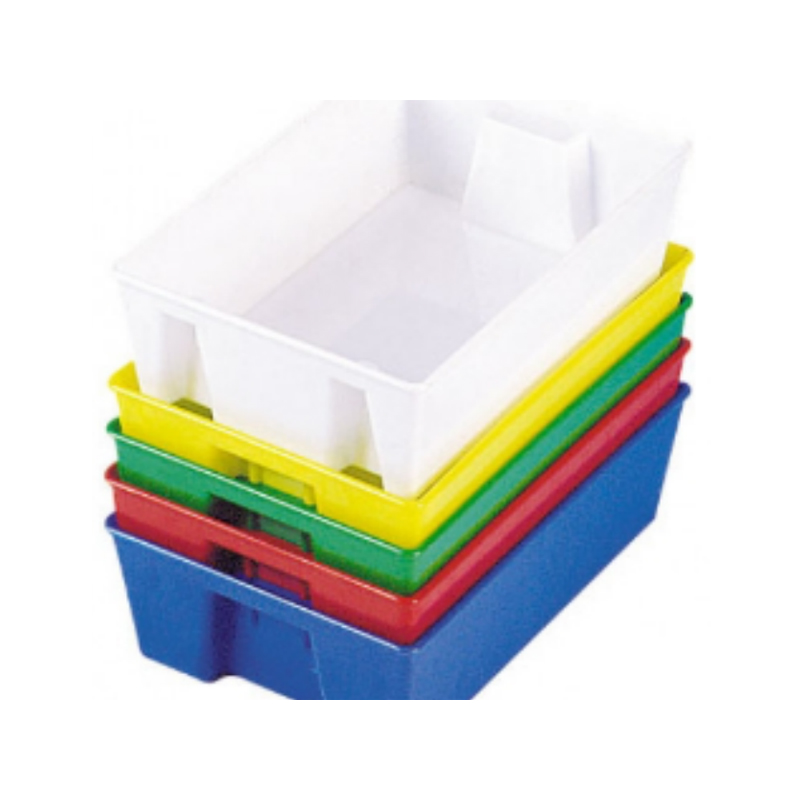
- Stationery: Liners for stationery sets, brushes and puzzles, easy to sort and store

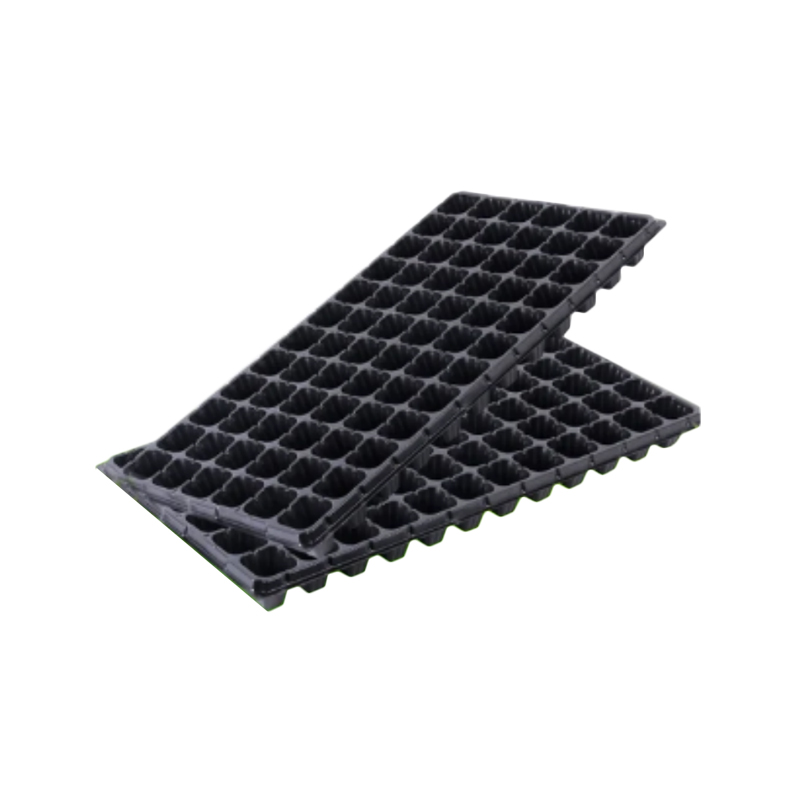
- Agricultural: Seedling trays for seedlings and succulents, breathable and reusable

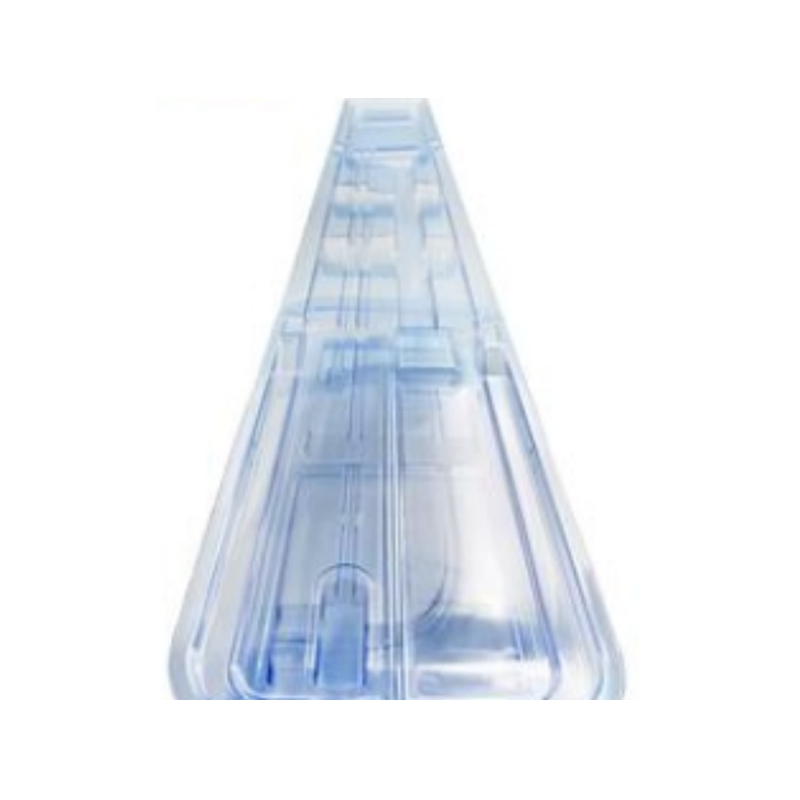
- Pharmaceutical: Liners for medicine boxes, clean and with good sealing

III. Production Process and Flow

1. Raw Material Selection: Safe and environmentally friendly materials, meeting medical and agricultural standards

2. Mold Customization: Designed according to product size to ensure precise fit

3. Vacuum Thermoforming: Automatic forming with uniform size and smooth surface

4. Cutting and Finishing: Smooth edges, safe and easy to use

5. Quality Inspection: Strictly test safety, sterility and usability

6. Packaging and Delivery: Sanitary and safe packaging, accurate delivery

IV. Exclusive Service Guarantee

- Customization Service: One-on-one customization, supporting small and large batch orders

- Sample Service: Free sample delivery and confirmation before production

- Quality After-sales: Replacement and return available within the warranty period

- Logistics Support: Multiple logistics cooperation, supporting expedited delivery

- Technical Support: Professional consultation and optimized packaging solutions

V. Core Advantages of Products

- Safe and Reliable: Comply with medical and agricultural safety standards, non-toxic and harmless

- Multi-scenario Adaptation: Suitable for medical, stationery and agricultural needs

- Durable and Practical: Wear-resistant, breathable (agricultural type), easy to store

- Strong Customization: Customizable in size and shape according to needs

- Lightweight and Convenient: Easy to transport and use, saving costs

- Cost-effective: Economical for mass production, supporting small-batch customization

About Us
Kunshan Paiteng Packaging Products Co., Ltd.

The headquarters of Paiteng Company (Kunshan Paiteng Packaging Products Co., Ltd.) was established in 2015, and Paiteng Philippines was founded in 2017. After seven years of development, Paiteng Packaging has become a comprehensive manufacturing enterprise with modern management level, excellent technology, and strong strength, integrating plastic bags, vacuum forming, and die-cutting. Medical Blister Trays Manufacturers and Agricultural Blister Trays Factory in China.
Blister packaging, plastic bags, and die-cutting – all under one roof. Simplify your supply chain with a single trusted partner.
Kunshan, Philippines, and Guangdong. Fast response, stable supply, and reduced logistics risks for customers worldwide.
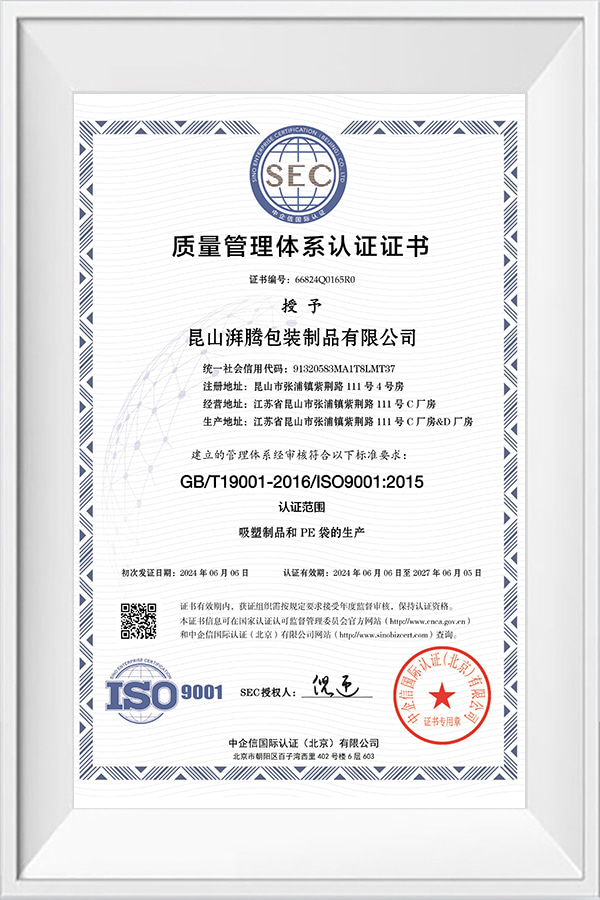
ISO9001 & ISO14001 certified. 40+ advanced machines, 23 patents, and continuous investment in automation.
Better quality, competitive price, superior service. As we always say: “Customer satisfaction is our standard.”
We are committed to delivering packaging solutions that are not only reliable and cost-effective but also kinder to our environment. Wholesale Stationery Blister Trays Factory We look forward to cooperating with you!
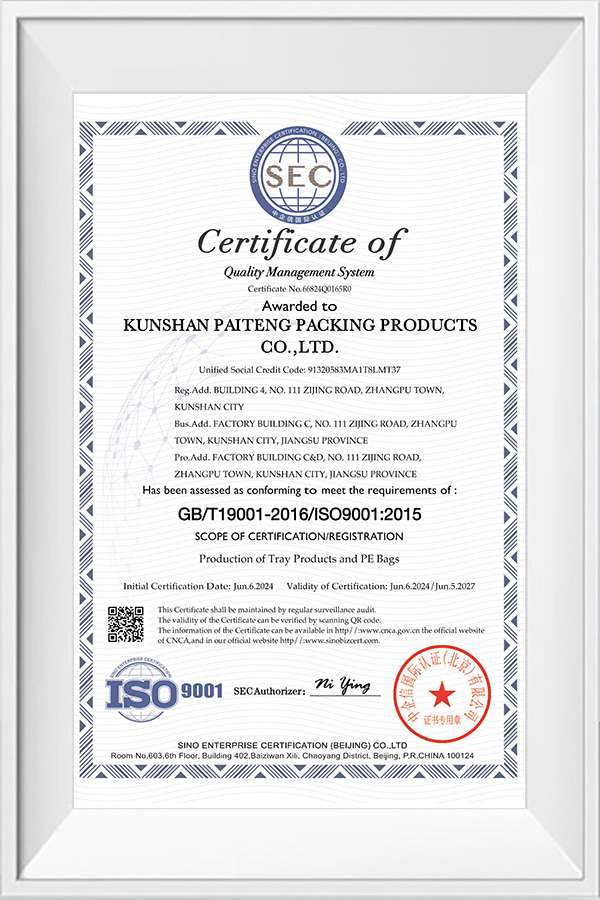
Certificate Of Honor
  • ISO9001
  • ISO9001
News
Industry knowledge

Industry Knowledge

Sterilization Compatibility: Why the Same Tray Design Doesn't Work Across EtO, Gamma, and Steam

Paiteng treats sterilization method as a design input rather than an afterthought, because a tray that performs well under one sterilization process can fail badly under another even if the geometry stays identical. Ethylene oxide (EtO) sterilization is gas-based and requires the tray to allow gas penetration and later off-gassing, so vent hole placement and material porosity matter more than raw strength — PETG and certain PP grades handle this well without warping. Gamma irradiation, by contrast, can cause visible yellowing and embrittlement in PVC and some PP formulations over repeated dose cycles, which is why PETG or gamma-stable PP is generally specified for devices sterilized this way. Steam autoclaving introduces high heat and pressure that most standard blister resins can't survive at all, so trays destined for autoclave sterilization typically move to a different material category entirely, such as high-temperature polycarbonate, rather than a standard thermoformed sheet.

Sterilization Method Compatible Materials Key Design Consideration
EtO gas PETG, select PP grades Vent placement for gas penetration and off-gassing
Gamma irradiation PETG, gamma-stable PP Resistance to yellowing and embrittlement over dose cycles
Steam autoclave High-temp polycarbonate Survives sustained heat and pressure cycles

Confirming the intended sterilization method before mold design begins is one of the most important steps in specifying Medical Blister Trays, since switching materials after tooling is cut adds cost and delay that could have been avoided with an earlier conversation.

Cleanroom Classification and Particulate Control for Medical Device Trays

Trays intended for implantable or surgical devices often need to be produced and packed under classified cleanroom conditions, and the classification level determines far more about production than most buyers initially expect. ISO Class 7 and Class 8 cleanrooms limit airborne particulate counts to specific thresholds per cubic meter, which affects everything from the forming equipment's enclosure design to how operators handle finished trays before final sealing. Static control also becomes critical in this environment, since particulates are drawn to charged surfaces, so anti-static flooring and ionized air systems are typically paired with cleanroom production to keep particulate counts within spec. Buyers sourcing trays for Class III medical devices should specifically ask whether particulate testing is done on finished trays or only on the cleanroom air itself, since these are two different data points and only the former confirms the actual tray surface is within tolerance.

  • ISO Class 7/8 airborne particulate limits apply to forming and packing environments
  • Anti-static flooring and ionization reduce particulate attraction to tray surfaces
  • Ask whether particulate testing covers the finished tray surface, not just the room air

UV Stabilization and Moisture Control for Agricultural Blister Trays

Agricultural applications put blister trays through conditions most consumer packaging never faces — direct sunlight for extended periods, fluctuating humidity, and exposure to soil, fertilizer, and pesticide residue. Standard clear PVC or PET without UV stabilizer additives can become brittle and discolored within a single growing season under greenhouse or field sun exposure, cracking at stress points long before the product life cycle ends. Adding a UV stabilizer package to the resin blend at the compounding stage extends usable tray life significantly, since it slows the photodegradation process at the molecular level rather than just masking discoloration. Moisture resistance matters just as much for seed and seedling trays, where excess humidity trapped against organic material accelerates mold growth — vent hole density here needs to be tuned differently than in food packaging, since seeds and seedlings have their own respiration and moisture-release patterns.

Common failure points in untreated agricultural trays

  • Cracking at cavity corners after a few months of direct UV exposure
  • Discoloration that reduces clarity for visual inspection of contents
  • Mold growth from trapped humidity in insufficiently vented cavities

Paiteng builds UV stabilizer selection into the resin formulation for every batch of Agricultural Blister Trays rather than treating it as an optional upgrade, since the cost difference is minor compared to the cost of trays failing mid-season in the field.

Anti-Theft and Point-of-Sale Design for Stationery Blister Trays

Small, high-turnover stationery items like pens, markers, and craft supplies are among the most commonly shoplifted retail categories, which makes theft-deterrent design a practical requirement rather than an optional feature for this product segment. A well-designed blister tray addresses this primarily through hang-sell compatibility — a reinforced hang hole with a rounded, high-strength edge that resists tearing when a shopper removes the item from a peg hook, since torn hang holes are one of the most common causes of damaged returns on the sales floor. Beyond the hang hole, oversized card backing relative to the tray footprint makes the packaging awkward to conceal, which is a low-cost deterrent that retailers frequently request without needing any additional security hardware. For higher-value stationery sets, a fully sealed blister-to-card bond that requires scissors to open — rather than a peel-back tab — adds a meaningful barrier against in-store tampering while keeping unit cost close to a standard hang-sell design.

  • Reinforced hang hole edges reduce tearing during peg-hook removal
  • Oversized card backing discourages concealment without added hardware
  • Fully sealed blister-to-card bonds add tamper resistance for higher-value sets

These are details that Paiteng's tooling team factors into the hang hole and seal geometry from the first design draft, since retrofitting theft-deterrent features onto an existing Stationery Blister Trays mold after launch is far more costly than building them in from the start.