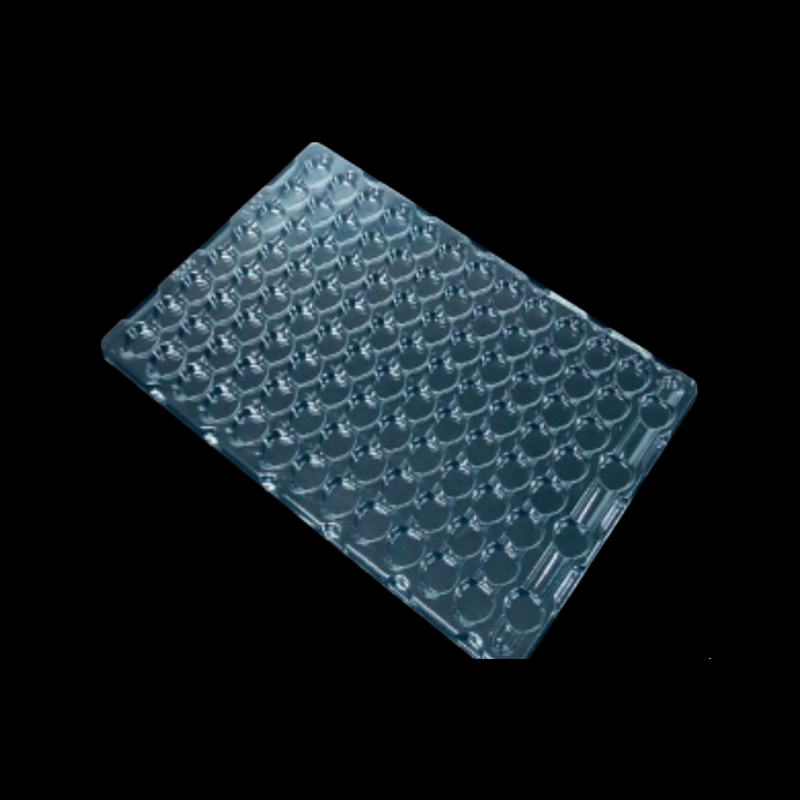
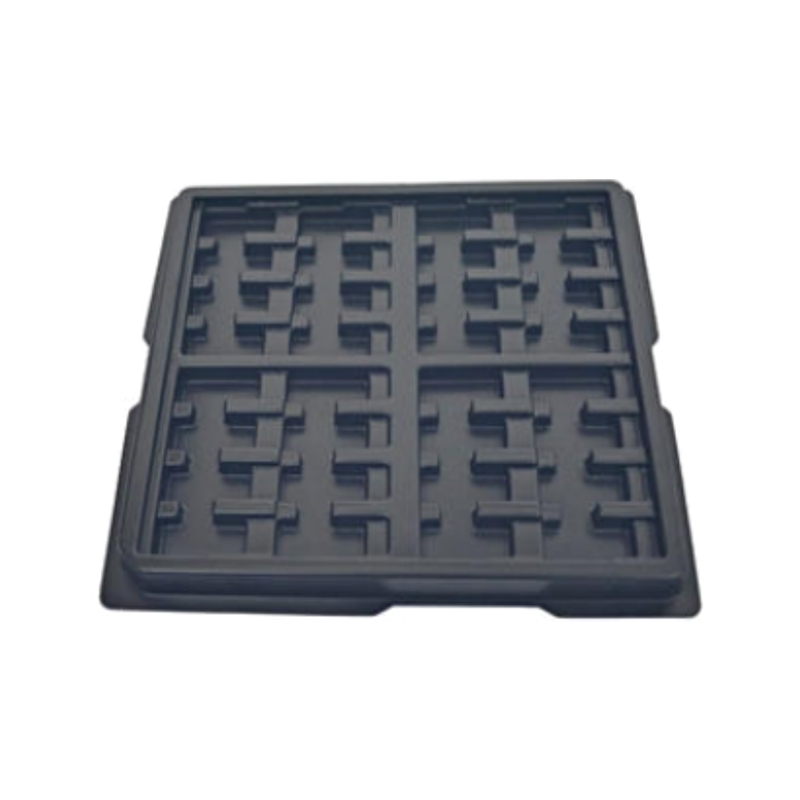
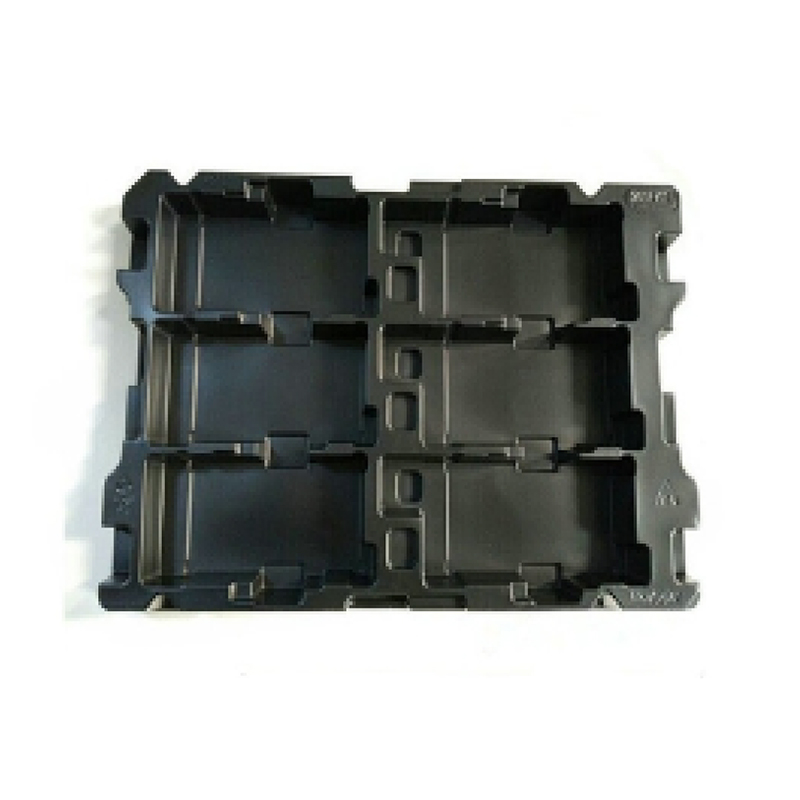
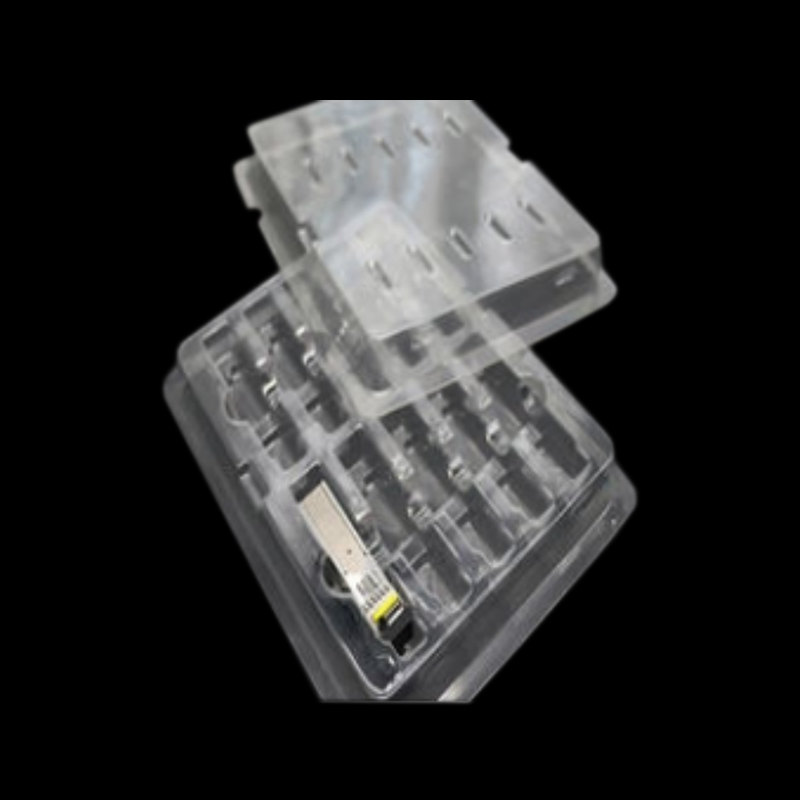
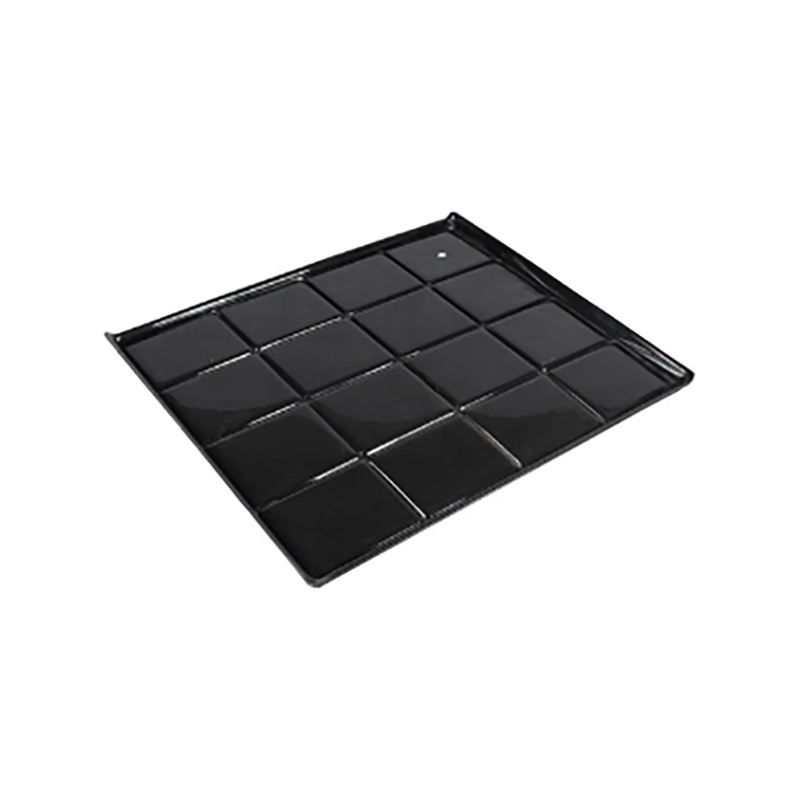
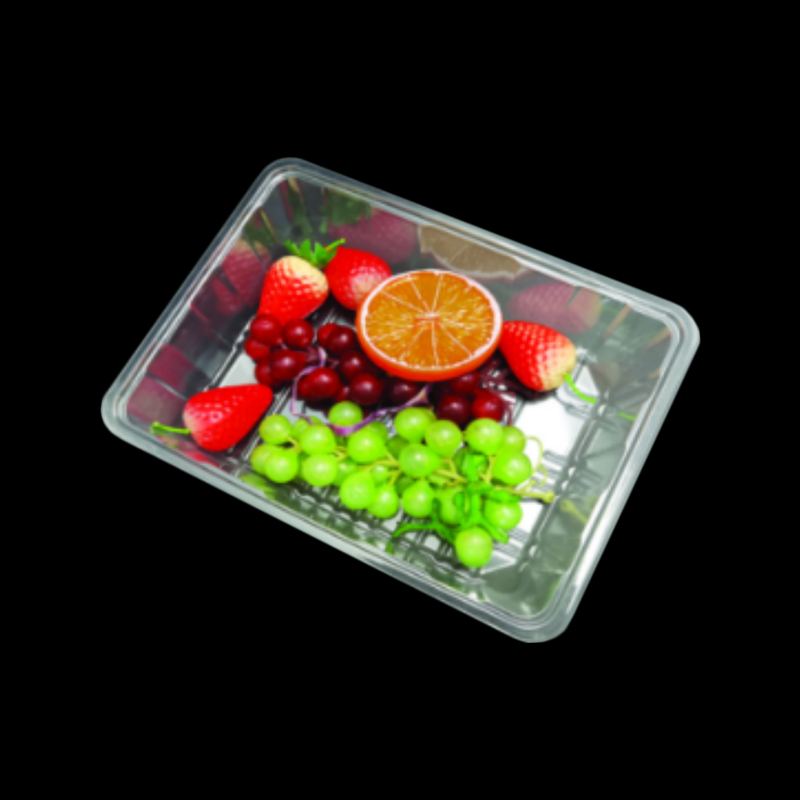
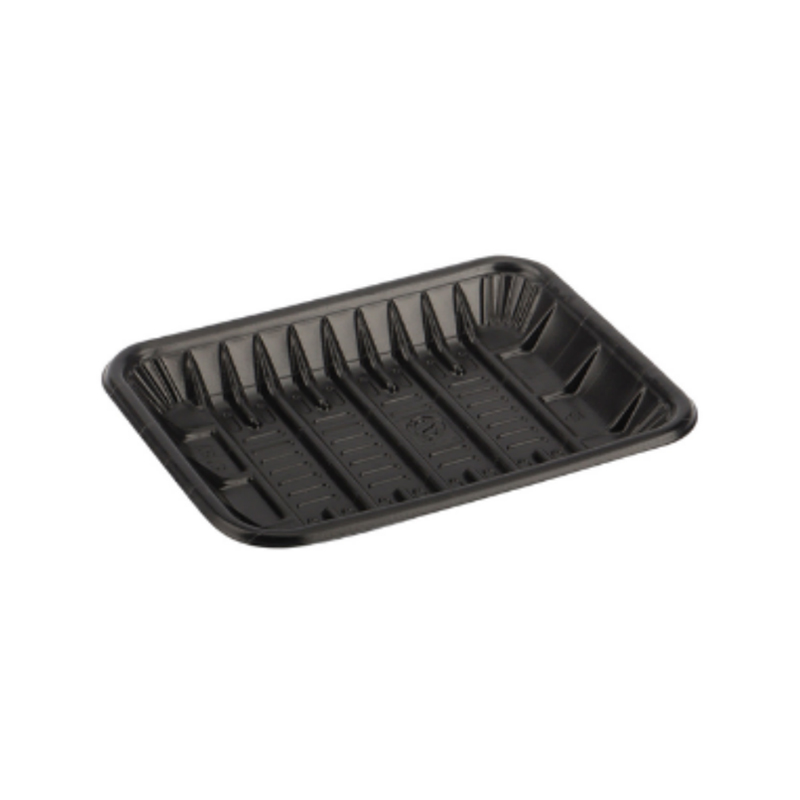
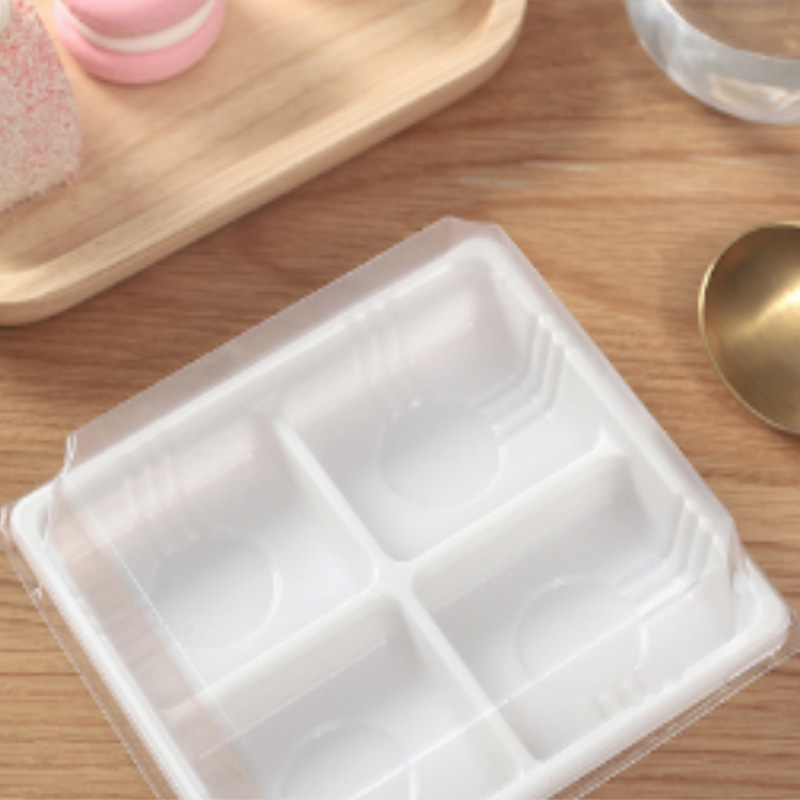
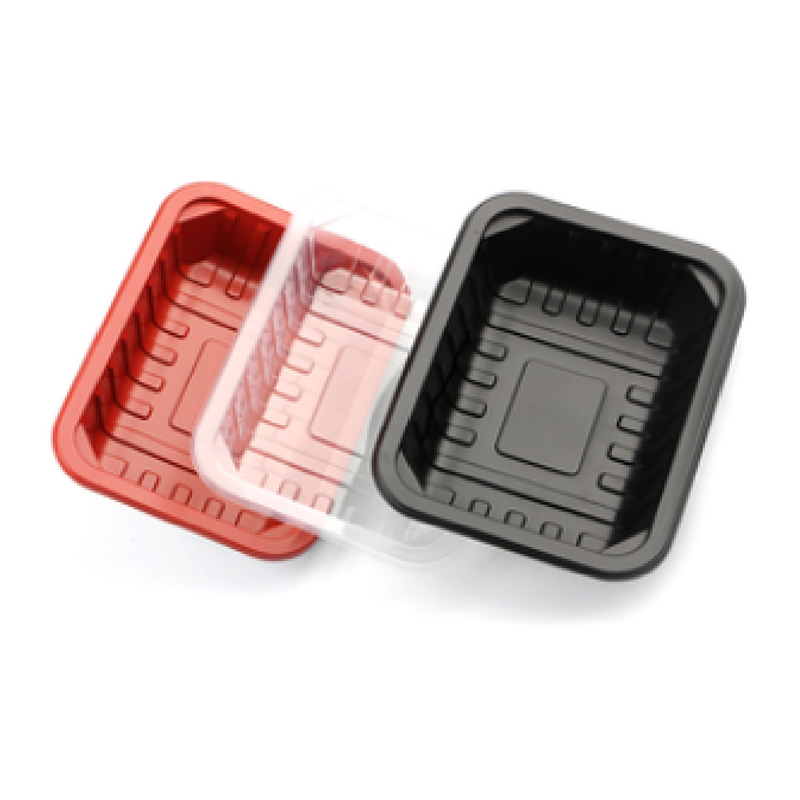
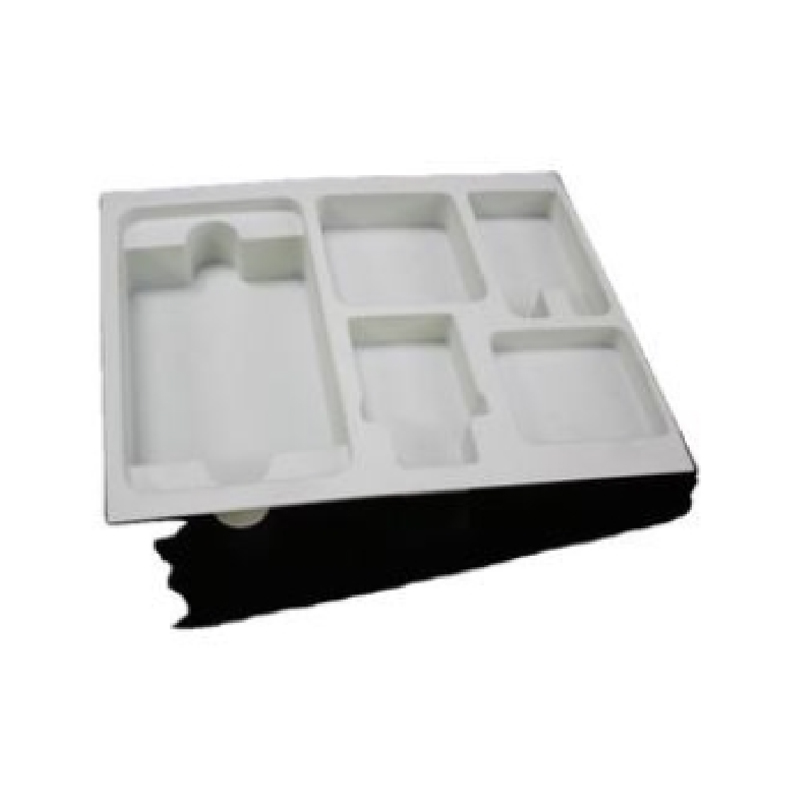
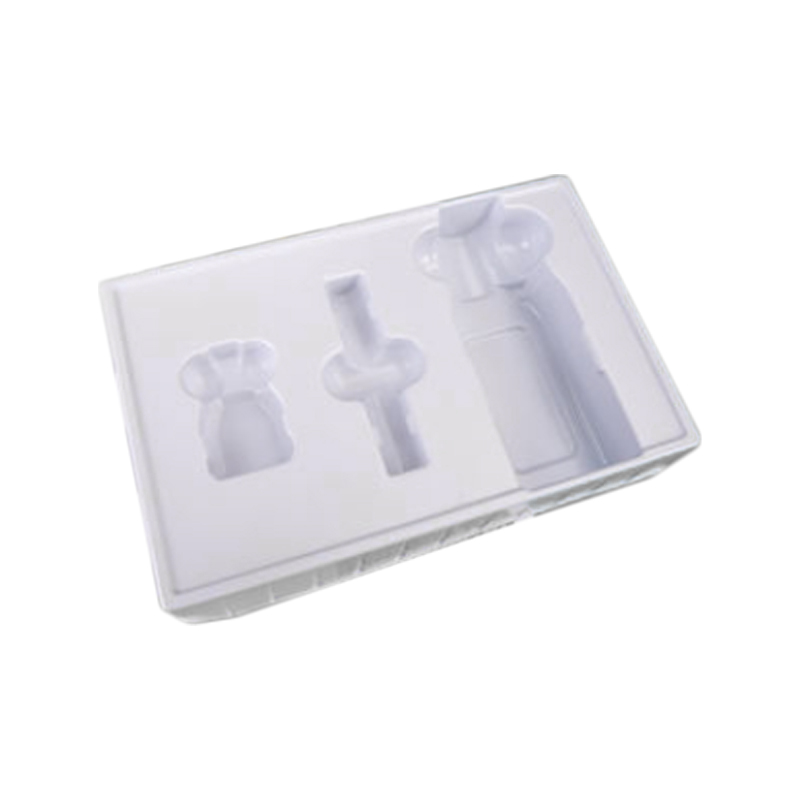
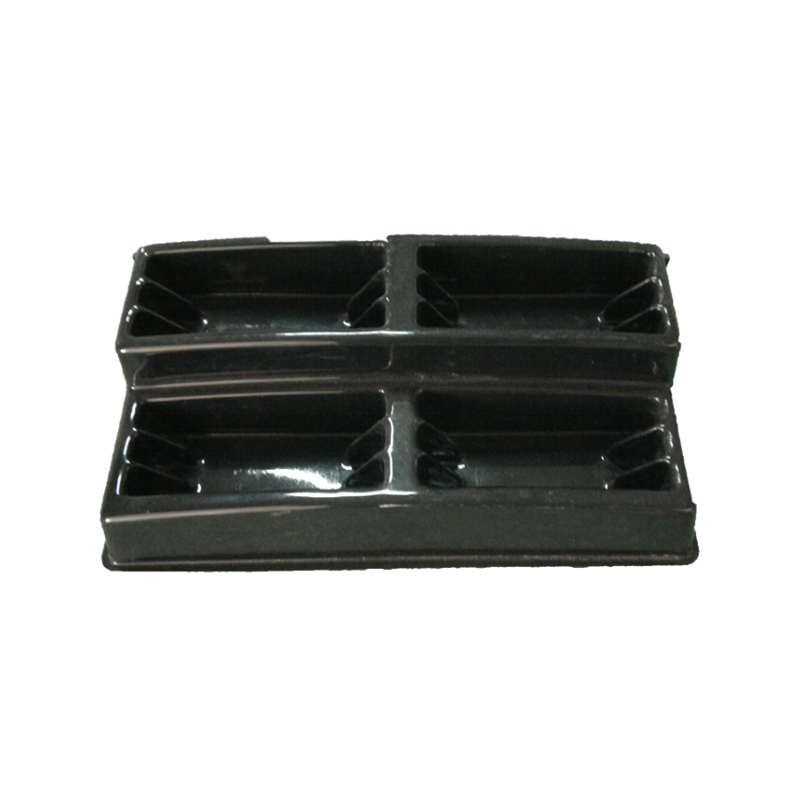
Blister Pack Tray Factory
Home / Products / Blister Tray

Blister Tray Manufacturers

I. Core Definition and Materials

Aliases: Blister tray, plastic inner tray, Tray (commonly used in the electronics industry).

Materials (selected according to requirements):

PET: Transparent, environmentally friendly, and good toughness. Commonly used in food/electronics.

PP: High temperature, acid, and alkali resistance. Used in food/medical/high-temperature scenarios.

PS: High hardness and low cost. Used in toys/stationery/daily necessities.

PVC: Transparent, flexible, and low price. Used for general packaging (weak environmental friendliness).

Anti-static / Conductive: Surface resistance of 10⁴–10⁹Ω. Dedicated for electronic components to prevent damage from static electricity.

Flocking / Gold plating: Enhance texture and cushioning. Commonly used in gifts/cosmetics.

II. Application Scenarios (Industry-wide Coverage)

Electronics Industry (Most Common): For the turnover/storage/transportation of precision components such as ICs, chips, capacitors, resistors, camera modules, and motherboards. It prevents scratches, shocks, and static electricity. Dimensional tolerance can reach ±0.1mm, and the damage rate is reduced to below 0.3%.

Automotive Parts: For the bulk turnover of interior parts, small hardware, connectors, rubber parts, etc. It offers stable load-bearing, oil resistance, and stackability.

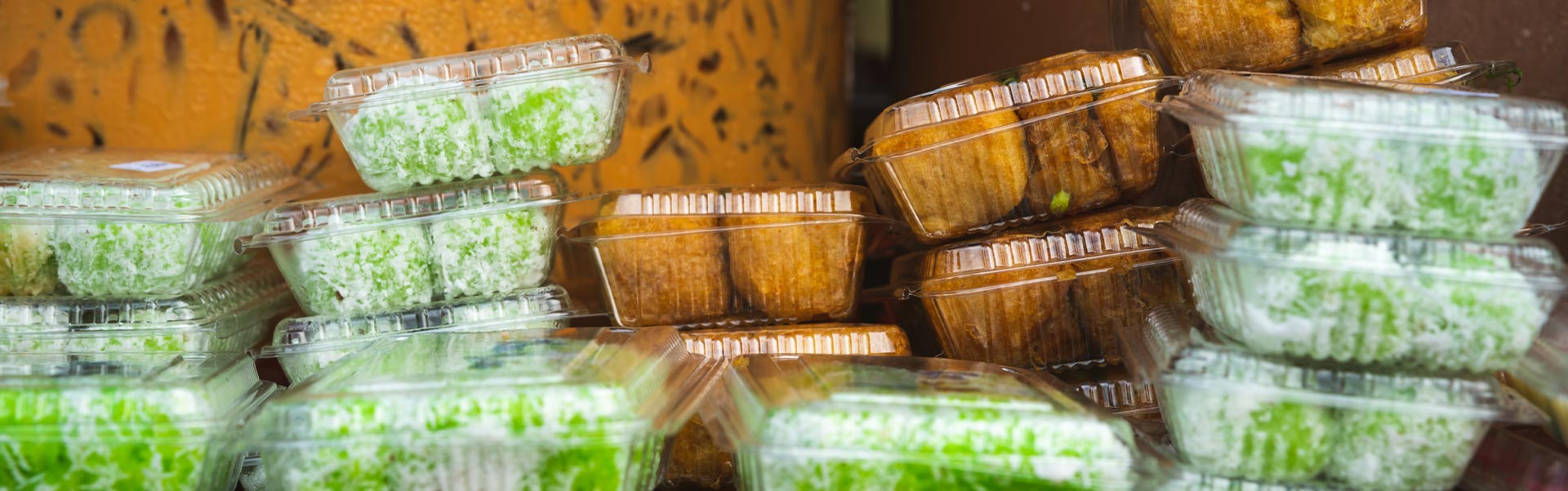
Food Industry: For the packaging/display of fruits and vegetables, pastries, fresh produce, cooked food, etc. It uses food-grade materials, is moisture-proof and fresh-keeping, and is transparent for easy viewing.

Pharmaceutical/Medical Devices: For the sterile packaging/storage of tablets, capsules, syringes, small instruments, etc. It is non-toxic, environmentally friendly, and can be sterilized with epoxy.

Hardware/Tools: For fixing/preventing collisions of wrenches, screwdrivers, small parts, etc. It is wear-resistant, pressure-resistant, has thickened edges, and is reusable.

Cosmetics/Gifts: As liners for bottles, jars, and gift boxes to enhance the product grade, fix the product, and prevent scratches.

III. Production Process (Vacuum Blister Forming)

Design and Mold Making: Design the tray structure (grooves/divisions/thickness) according to the product's 3D drawing. Molds are made of aluminum alloy/resin with a lifespan of up to 800,000 cycles.

Material Selection and Cutting: Select sheets such as PET/PP/PS with a thickness of 0.2–12mm (thin sheets 0.2–1mm, thick sheets 2–12mm).

Heating and Softening: The sheet is fed into an electric furnace and heated to a flexible and moldable state at 180–220℃.

Vacuum Forming: The softened sheet covers the mold, and a vacuum pump evacuates air (-0.08~-0.1MPa) to make it adhere closely to the mold for forming.

Cooling and Shaping: Air/water cooling is used to lower the temperature and maintain shape stability.

Cutting/Punching/Trimming: An automatic cutting machine trims the edges, punches holes as needed, and polishes. The dimensional tolerance is within ±0.15mm.

Post-processing (Optional): Anti-static spraying, flocking, gold stamping, printing, etc.

IV. Supporting Services (Full-process Customization)

Custom Design: Provide one-on-one structural design based on product size, shape, weight, and protection requirements (anti-static/shockproof). Free drawing and sampling are available.

Rapid Prototyping: Samples can be produced in 3–5 days, followed by mass production upon confirmation. Flexible adaptation for small-batch trial production and large-batch delivery.

Large-scale Production: Automated servo equipment with a daily capacity of tens of thousands to hundreds of thousands of pieces and a pass rate of ≥98.5%.

Supporting Solutions: Provide a complete packaging set including trays, dividers, covers, and turnover boxes, compatible with automated production lines and robotic arm handling.

After-sales Support: Offer size correction, material upgrading, mold maintenance, and recyclable/remanufacturing services to reduce customer costs.

V. Core Advantages (Compared to Traditional Packaging)

100% Customization: Precisely fits the product's contour to prevent displacement, collision, and scratches. Protection is improved by over 60% compared to general packaging.

Strong Protection: Shockproof, moisture-proof, dust-proof, and anti-static (for electronics). Reduces the damage rate to below 0.3%.

Efficient Turnover and Stacking: Standardized sizes save over 30% of storage space when stacked. Compatible with automated production lines, increasing efficiency by more than 3 times.

Economic and Environmentally Friendly: Can be reused 50–200 times (depending on material) and recycled. Long-term costs are over 40% lower than wooden/paper trays.

Lightweight + High Strength: Over 50% lighter than metal trays, with a load capacity of 5–50kg. Resistant to dropping and wear, suitable for long-distance transportation.

Transparent + Value Enhancement: Transparent materials facilitate quick quality inspection/inventory checking. Liners enhance the product grade and increase terminal appeal.

VI. Selection Points

Size: The inner groove should be 0.1–0.3mm larger than the product to prevent jamming/swaying.

Material: Choose anti-static PET/PP for electronics, food-grade PP/PET for food, and thick ABS/PP sheets for hardware.

Thickness: 0.5–1mm for light loads (<1kg), 1.5–3mm for medium loads (1–5kg), and 4–8mm for heavy loads (>5kg).

Structure: Use fully enclosed grooves for precision parts, and reinforcing ribs + stacking clips for turnover.

About Us
Kunshan Paiteng Packaging Products Co., Ltd.

The headquarters of Paiteng Company (Kunshan Paiteng Packaging Products Co., Ltd.) was established in 2015, and Paiteng Philippines was founded in 2017. After seven years of development, Paiteng Packaging has become a comprehensive manufacturing enterprise with modern management level, excellent technology, and strong strength, integrating plastic bags, vacuum forming, and die-cutting. Wholesale Blister Tray Manufacturers and Blister Tray Factory in China.
Blister packaging, plastic bags, and die-cutting – all under one roof. Simplify your supply chain with a single trusted partner.
Kunshan, Philippines, and Guangdong. Fast response, stable supply, and reduced logistics risks for customers worldwide.
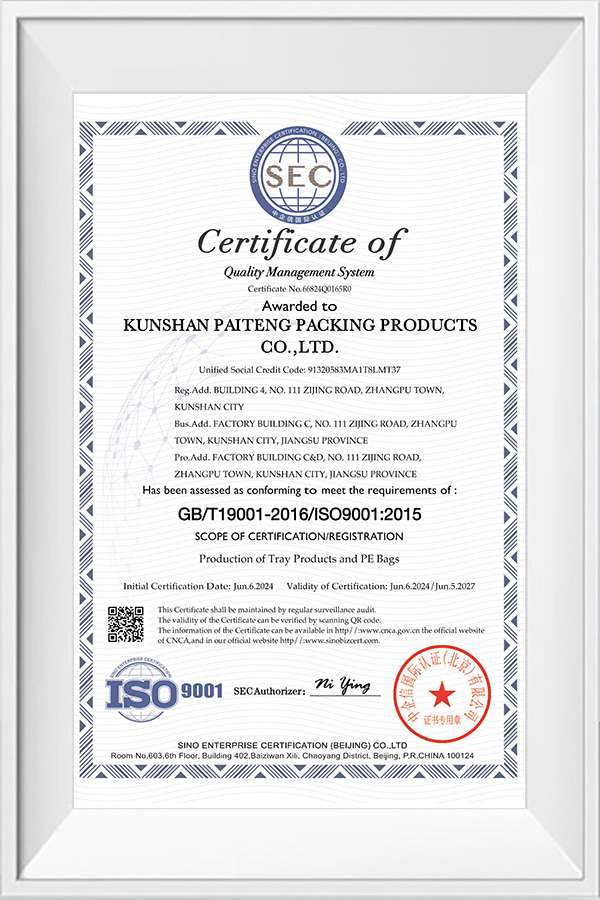
ISO9001 & ISO14001 certified. 40+ advanced machines, 23 patents, and continuous investment in automation.
Better quality, competitive price, superior service. As we always say: “Customer satisfaction is our standard.”
We are committed to delivering packaging solutions that are not only reliable and cost-effective but also kinder to our environment. Plastic Blister Tray For Sale We look forward to cooperating with you!

Certificate Of Honor
  • ISO9001
  • ISO9001
News
Industry knowledge

Industry Knowledge

Wall Thickness and Draft Ratios: Getting Structural Integrity Right in Blister Trays

At Paiteng, wall thickness is treated as a moving target rather than a fixed spec, because the same 0.5mm sheet can form into a tray with 0.35mm walls at a shallow cavity and drop to 0.15mm at a deep-draw corner. That thinning is what causes trays to flex or crack under load even when the flat sheet gauge looked adequate on paper. A safer approach is to set the draft angle at 5 degrees or more on any cavity deeper than 25mm, which reduces material stretch during forming and keeps wall thickness more even across the part. For a Plastic Blister Tray that will carry heavier components, rib inserts along the tray floor add rigidity without increasing overall material use, which keeps unit cost close to a standard flat-bottom design.

  • Draft angle below 3 degrees: high risk of thinning at deep corners
  • Draft angle 5–8 degrees: balanced strength-to-material ratio for most trays
  • Floor ribbing: adds load-bearing strength without a thicker overall sheet

ESD and Anti-Static Blister Trays for Electronics Handling

Standard clear PET or PVC trays build up static charge during handling, which is a real risk for components sensitive to electrostatic discharge, such as PCB boards, sensors, and connector assemblies. Anti-static trays are typically made from conductive or dissipative PET blended with carbon additives, and they're rated by surface resistivity rather than by appearance — a tray can look identical to a standard one and still fail an ESD audit. Surface resistivity between 10^6 and 10^9 ohms/square is generally classified as static dissipative, which is the range most electronics manufacturers specify for component handling trays, while anything below 10^5 is considered conductive and used mainly for grounding-sensitive assemblies. It's this kind of material-level detail that a Blister Tray buyer should confirm on the datasheet, since Paiteng's production team tests resistivity on every anti-static batch rather than relying on the resin supplier's certification alone.

Questions worth asking before ordering ESD trays

  • What surface resistivity range does the tray fall into, and is it tested per batch?
  • Does the anti-static property degrade with repeated washing or UV exposure?
  • Is the additive carbon-loaded (permanent) or topical (can wear off over time)?

Nesting and Stacking Design: How Tray Geometry Cuts Shipping Costs

Two trays holding identical products can result in very different freight costs if one is designed to nest and the other only stacks flat. A nested tray design allows empty trays to collapse into each other during return shipping or storage, cutting the cubic volume by as much as 70% compared to trays that stack rigidly. The tradeoff is that nesting requires tapered sidewalls, which slightly reduces usable cavity space compared to a straight-wall design — a detail worth weighing against how often trays will be shipped empty versus filled.

Design Type Empty Volume Reduction Best Fit
Straight-wall stacking Minimal Single-use trays, retail display
Tapered nesting Up to 70% Returnable trays, closed-loop supply chains

Buyers running returnable packaging programs should ask for a nested pallet count comparison during quoting, since the shipping savings over a year often outweigh the small increase in tooling cost — this is a comparison Paiteng runs routinely for clients moving from single-use to returnable tray systems.

Compartment and Divider Design for Multi-Component Kitting Trays

Kitting trays that hold multiple different parts in one tray need divider walls thick enough to survive repeated loading and unloading without deforming, which is a different design problem than a single-cavity tray. Divider walls under 1mm tend to warp after a few hundred load cycles, especially in cavities holding metal parts or components with sharp edges. Increasing divider thickness to 1.2–1.5mm solves most of this without significantly raising material cost, since dividers make up a small fraction of total tray surface area.

  • Divider thickness under 1mm: prone to warping under repeated cycling
  • Divider thickness 1.2–1.5mm: durable for most industrial kitting use
  • Rounded internal corners at divider joints reduce stress-cracking over time, a detail Paiteng builds into every kitting tray mold as standard

For assembly lines running high-mix, low-volume production, a Blister Pack Tray with color-coded compartments can also reduce picking errors on the floor, since operators can identify the correct cavity visually rather than reading a label each time.