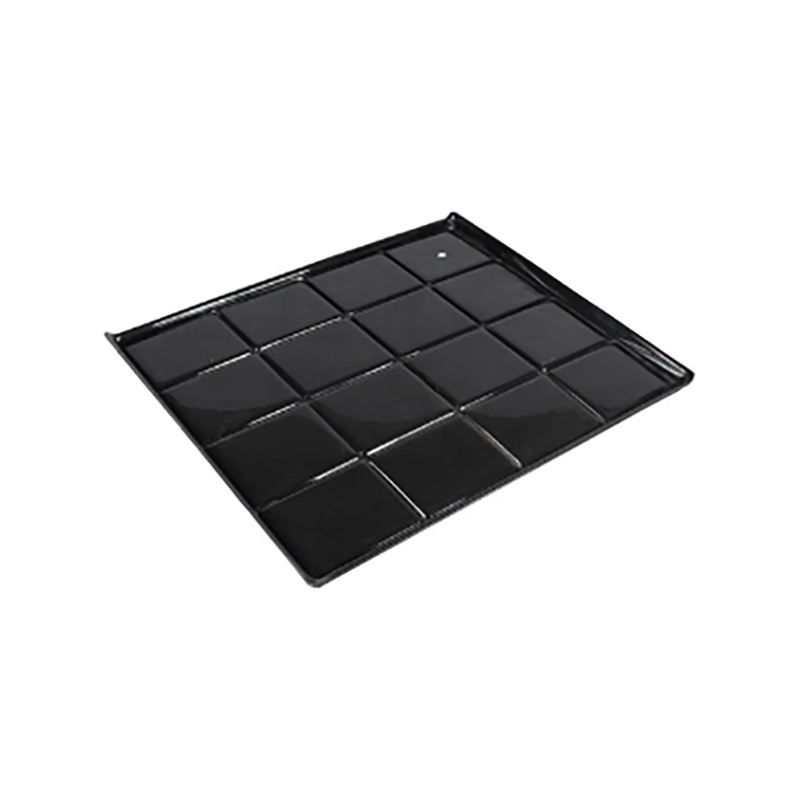
ESD Blister Trays Manufacturers
Home / Products / Blister Tray / Industrial & Electronic Blister Trays

Industrial & Electronic Blister Trays Manufacturers

I. Product Introduction

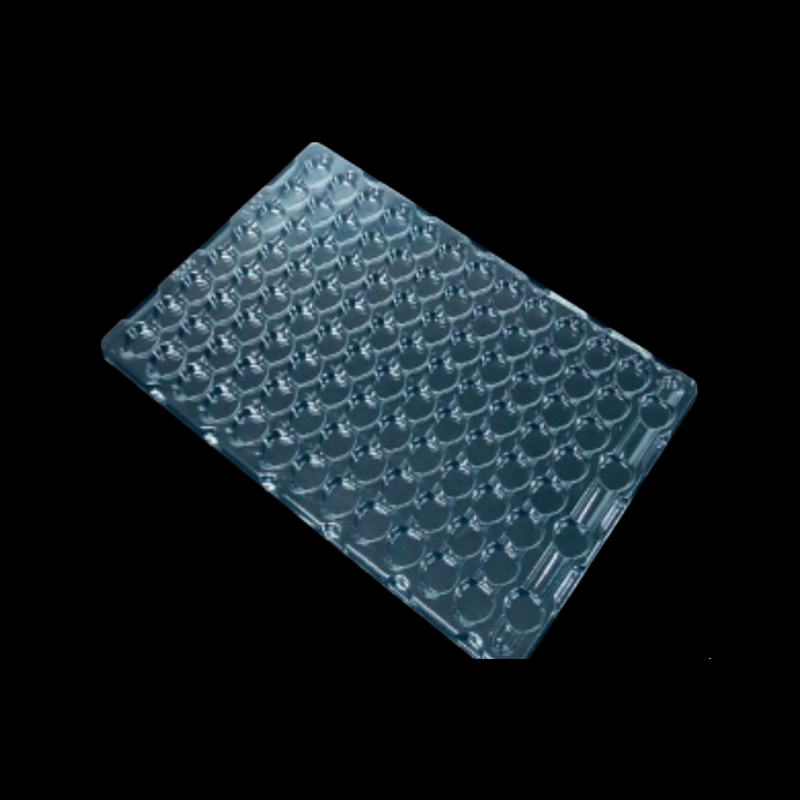
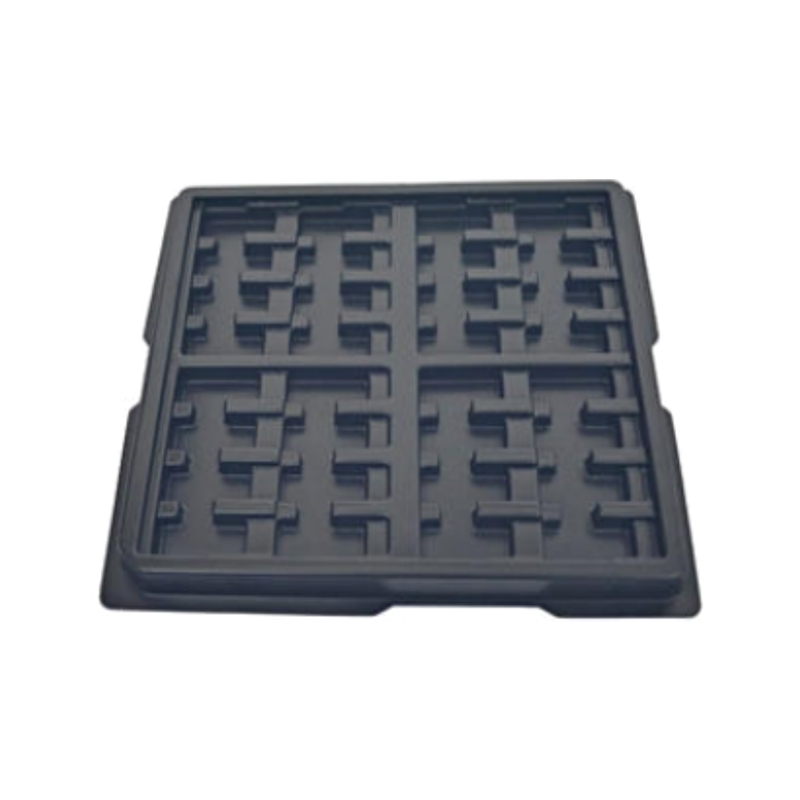
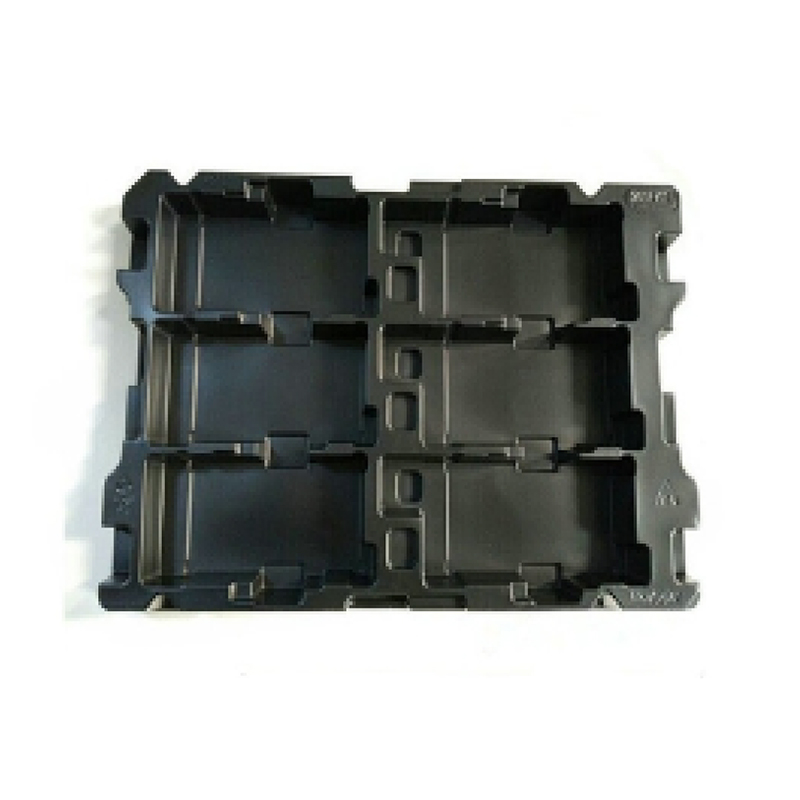
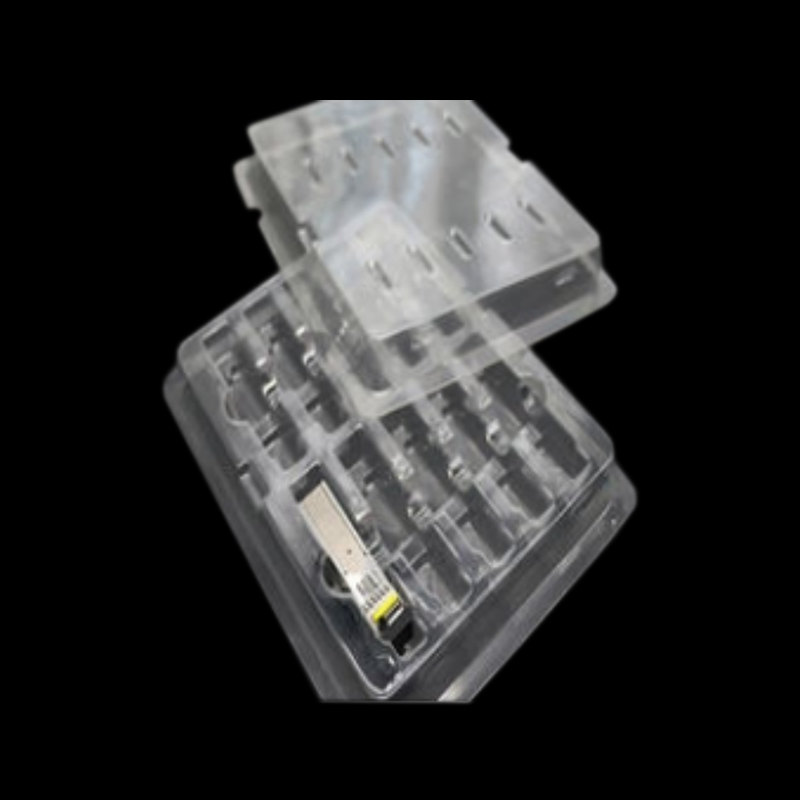
Special protective blister trays for industrial electronics, made of environmentally friendly materials by vacuum forming, customizable, used for product shaping and protection, suitable for turnover, warehousing, logistics and other scenarios.

II. Core Application Scenarios

- Electronic components: Protect precision components such as circuit boards and chips

- Industrial turnover: Turnover and sorting of hardware, auto parts, etc. in workshops

- Precision instruments: Liner for small instruments, shock absorption and anti-vibration

- Product packaging: Liner for electronic and hardware sets to improve grade

- Anti-static scenarios: Special models protect sensitive electronic components

III. Production Process and Flow

1. Raw material selection: Industrial-grade environmentally friendly materials, anti-static models optional

2. Mold customization: Designed according to product size to ensure precision

3. Vacuum blister: Automatic forming with uniform size

4. Cutting and trimming: Smooth edges without burrs

5. Quality inspection: Strict screening to eliminate unqualified products

6. Packaging and delivery: Packaged on demand and delivered accurately

IV. Exclusive Service Guarantee

- Customization service: One-to-one customization, supporting small and large batches

- Sample service: Free sample delivery, production after confirmation

- Quality after-sales: Replacement or return available within the warranty period

- Logistics and distribution: Cooperate with multiple logistics companies, supporting expedited delivery

- Technical support: Professional consultation to optimize packaging solutions

V. Core Product Advantages

- Precise fit, dust-proof, moisture-proof and shock-proof

- Environmentally friendly materials, optional special models on demand

- Anti-static optional to protect precision components

- Lightweight, easy to turnover and transport

- High cost performance, supporting small-batch customization

- Strong customizability, suitable for multiple scenarios

About Us
Kunshan Paiteng Packaging Products Co., Ltd.

The headquarters of Paiteng Company (Kunshan Paiteng Packaging Products Co., Ltd.) was established in 2015, and Paiteng Philippines was founded in 2017. After seven years of development, Paiteng Packaging has become a comprehensive manufacturing enterprise with modern management level, excellent technology, and strong strength, integrating plastic bags, vacuum forming, and die-cutting. Electronic Blister Trays Manufacturers and Industrial Blister Trays Factory in China.
Blister packaging, plastic bags, and die-cutting – all under one roof. Simplify your supply chain with a single trusted partner.
Kunshan, Philippines, and Guangdong. Fast response, stable supply, and reduced logistics risks for customers worldwide.
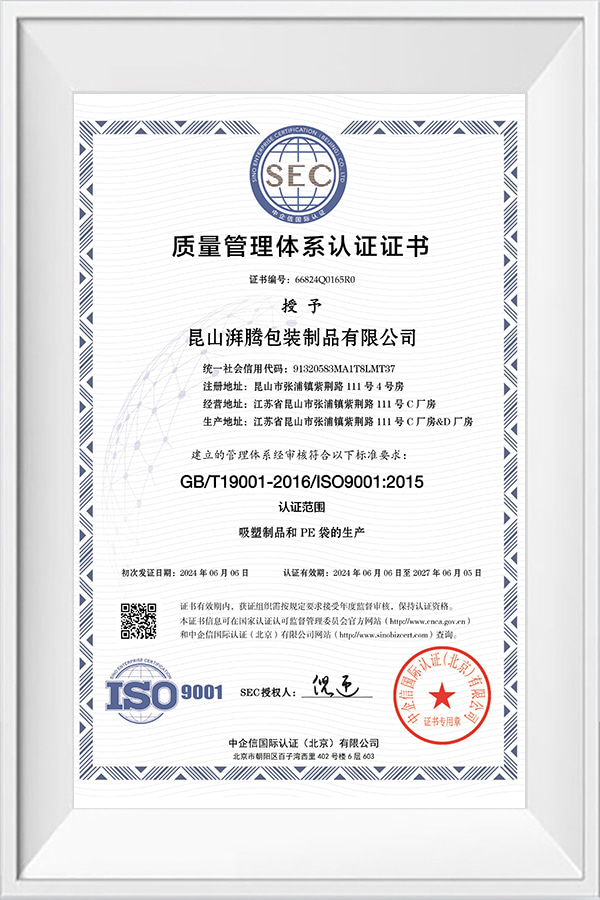
ISO9001 & ISO14001 certified. 40+ advanced machines, 23 patents, and continuous investment in automation.
Better quality, competitive price, superior service. As we always say: “Customer satisfaction is our standard.”
We are committed to delivering packaging solutions that are not only reliable and cost-effective but also kinder to our environment. Wholesale ESD Blister Trays We look forward to cooperating with you!
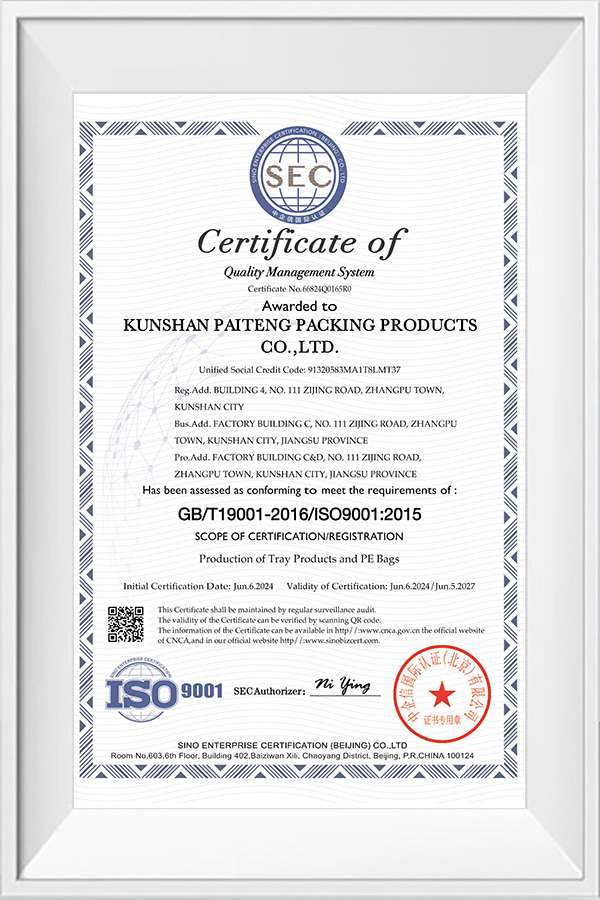
Certificate Of Honor
  • ISO9001
  • ISO9001
News
Industry knowledge

Industry Knowledge

Surface Resistivity Ranges: Reading an ESD Tray Spec Sheet Correctly

At Paiteng, surface resistivity is treated as the single number that actually defines an ESD tray's classification, since terms like "anti-static" and "conductive" get used loosely across the industry without a consistent standard behind them. Trays measuring between 10^5 and 10^11 ohms/square are generally classified as static dissipative, which is the range most component manufacturers specify because it allows a controlled discharge rather than an instant one. Below 10^5 ohms/square, a tray is considered conductive and is typically reserved for grounding-critical applications where charge needs to drain away almost immediately. Above 10^11, a tray no longer qualifies as ESD-safe at all, even if it's labeled anti-static on a datasheet, which is a distinction buyers often miss when comparing quotes based on price alone rather than the actual resistivity certificate.

Resistivity Range (ohms/sq) Classification Typical Use
Under 10^5 Conductive Grounding-critical assemblies
10^5–10^11 Static dissipative General ESD-sensitive component handling
Above 10^11 Insulative Not suitable for ESD-safe handling

Requesting per-batch resistivity test data, rather than a general product certificate, is the most reliable way to confirm a supplier's ESD Blister Trays actually meet the classification printed on the quote.

Cavity Tolerance for Fine-Pitch Components and Connector Assemblies

Electronic components with fine-pitch leads or delicate connector pins need cavity tolerances tighter than what standard consumer packaging typically calls for, since even a small amount of movement inside the cavity during transit can bend leads or crack solder joints. A cavity clearance of 0.3-0.5mm around the component body is generally the working range for connectors and small ICs, tight enough to prevent shifting but loose enough that automated pick-and-place equipment can still remove parts without friction jams. Depth also matters more than it does for typical retail trays — a cavity that's too shallow leaves pins exposed above the tray surface where they can catch on adjacent trays during stacking, while a cavity that's too deep makes automated pickup harder for vacuum-based handling equipment on the manufacturing line.

Tolerance factors worth confirming for automated handling lines

  • Cavity clearance of 0.3-0.5mm for fine-pitch connectors and small ICs
  • Cavity depth calibrated so pins sit flush with or below the tray surface
  • Draft angles compatible with vacuum pickup used on SMT and pick-and-place lines

This is a spec that a Electronic Blister Trayss supplier should be able to walk through in detail with the component's exact dimensions in hand, rather than quoting off a generic cavity size, since Paiteng adjusts tooling per component family for this exact reason.

Chemical Resistance Testing for Trays Used Around Oils, Solvents, and Coolants

Industrial parts trays often end up in contact with substances that consumer packaging never has to withstand — cutting oils, degreasing solvents, hydraulic fluid, and coolant residue left on machined components before they're packed. Standard PVC or PET can soften, cloud, or become brittle after prolonged exposure to certain solvents, which weakens the tray exactly where structural integrity matters most during stacking and shipping. PP generally holds up better against oils and many common solvents than PVC, while HDPE-based trays tend to resist a broader range of industrial chemicals but sacrifice some rigidity compared to PP in heavier load applications. Testing should reflect the actual chemical the tray will contact — a 24-hour immersion or wipe-down test using the specific fluid, evaluated for changes in weight, flexibility, and clarity, gives far more useful data than a generic chemical resistance chart pulled from a resin supplier's datasheet.

  • PP: generally strong resistance to oils and many industrial solvents
  • HDPE: broad chemical resistance, though less rigid under heavy load
  • Standard PVC/PET: more prone to softening or clouding under solvent exposure

Stack Height and Compression Load Limits for Warehouse Storage

Trays sitting in a warehouse for weeks or months before shipment face a different kind of stress than trays moving quickly through a supply chain — sustained compression load from stacked pallets rather than a single short-term impact. A tray rated for occasional handling can still deform or crack under the constant weight of trays stacked six or eight units high over a long storage period, even if it passed a standard drop test with no issues. Compression testing at the design stage, simulating the full stack height and duration a tray will realistically face in storage, catches this kind of slow-failure risk that impact testing alone won't reveal. Reinforcing the tray's corner posts and floor ribbing typically solves compression issues more efficiently than increasing overall wall thickness, since the load concentrates at specific structural points rather than distributing evenly across the whole tray.

For clients running long-term warehousing before distribution, Paiteng runs compression simulations against the client's actual stacking height rather than a generic standard, since a tray that only gets tested against a three-tray stack can still fail under the eight-tray stacking common in bulk industrial storage — a gap that generic Industrial Blister Trays specs often miss.