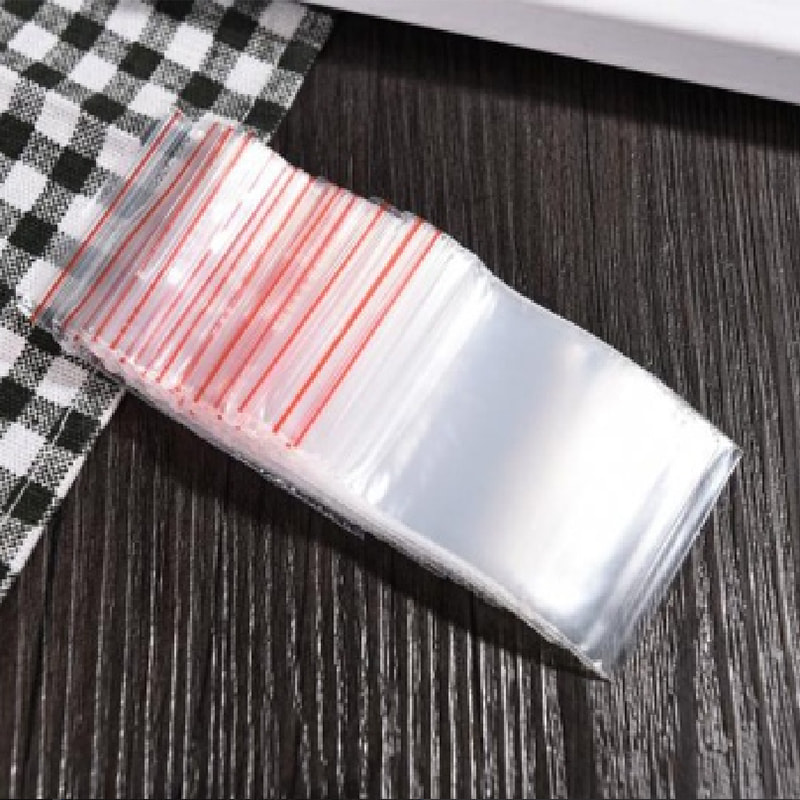
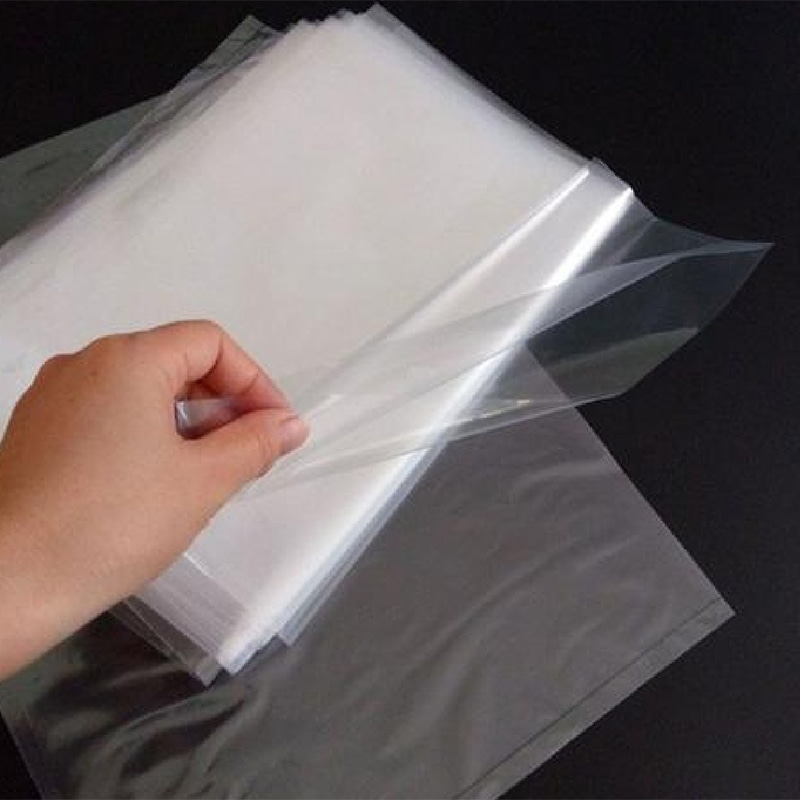
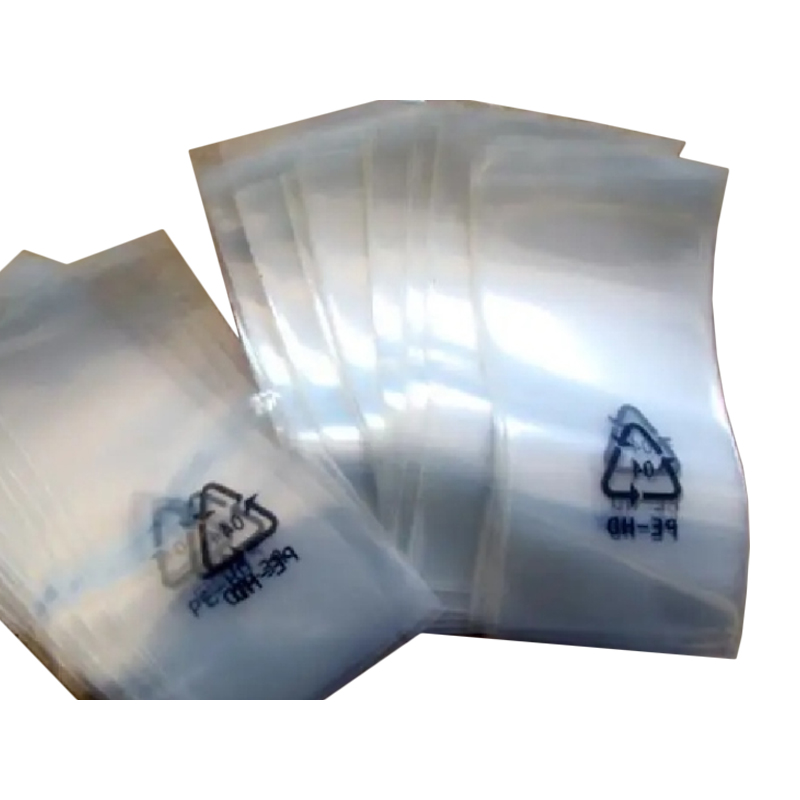
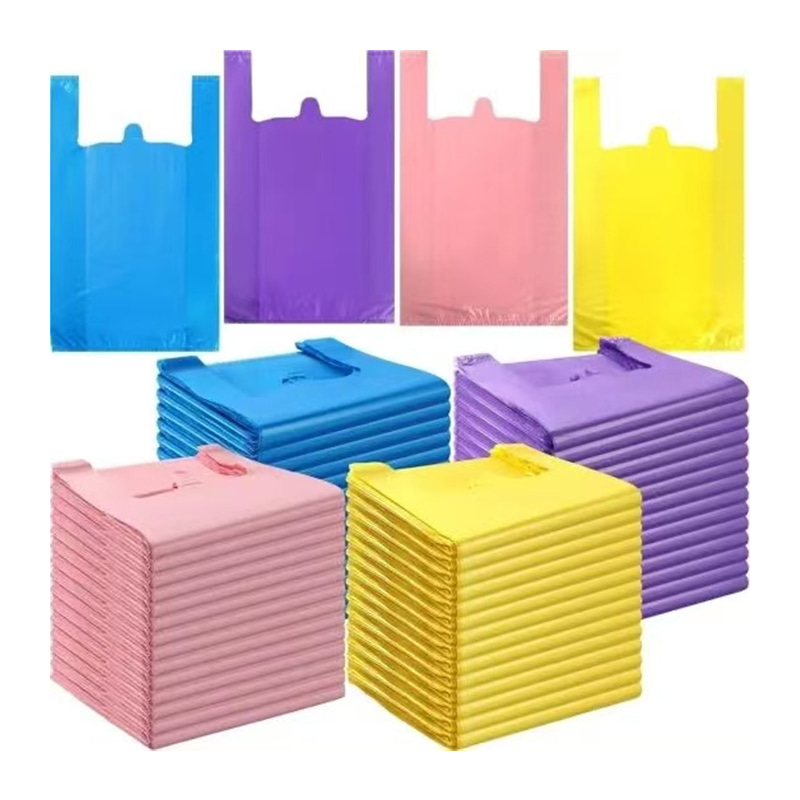
Plastic Food Storage Bags Wholesale
Home / Products / PE Bags / Food & Daily Use PE Bags

Food & Daily Use PE Bags Manufacturers

I. Product Introduction

Made of food-grade materials, non-toxic and harmless, light and tough. It is mainly used for food packaging, daily storage and display, suitable for home, supermarket and other daily scenarios, easy to use.

II. Core Application Scenarios

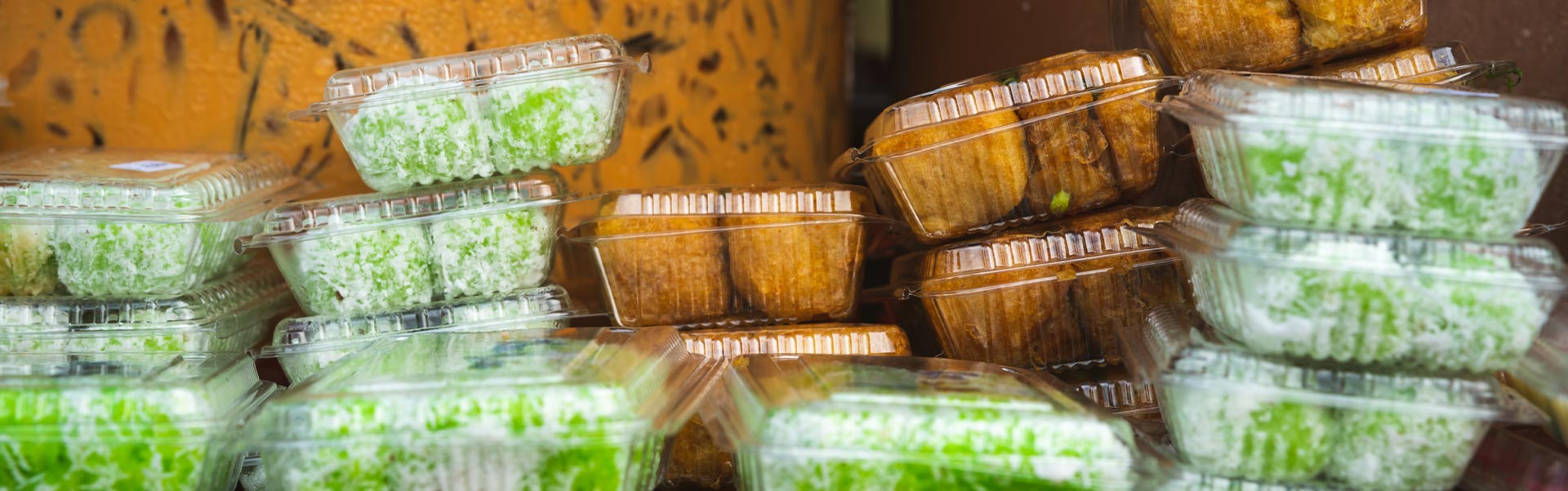
- Food packaging: Suitable for snacks, dried fruits, pastries, fresh food, with moisture-proof and sealed functions.

- Daily storage: Used for storing dry goods, sundries at home and scattered goods in supermarkets.

- Display purpose: Transparent models can intuitively display food and daily necessities, improving neatness.

III. Production & Service

- Production: Adopt food-grade PE raw materials, automatic film blowing molding, smooth edges.

- Service: Support size customization, provide free samples, and accept return and replacement for quality problems.

IV. Core Advantages

- Safe and non-toxic: Food-grade materials, meeting food contact standards.

- Light and practical: Soft texture, easy to store and carry.

- Cost-effective: Mass production, low cost, suitable for daily large-scale use.

About Us
Kunshan Paiteng Packaging Products Co., Ltd.

The headquarters of Paiteng Company (Kunshan Paiteng Packaging Products Co., Ltd.) was established in 2015, and Paiteng Philippines was founded in 2017. After seven years of development, Paiteng Packaging has become a comprehensive manufacturing enterprise with modern management level, excellent technology, and strong strength, integrating plastic bags, vacuum forming, and die-cutting. Wholesale Food PE Bags Manufacturers and Daily Use PE Bags Factory in China.
Blister packaging, plastic bags, and die-cutting – all under one roof. Simplify your supply chain with a single trusted partner.
Kunshan, Philippines, and Guangdong. Fast response, stable supply, and reduced logistics risks for customers worldwide.
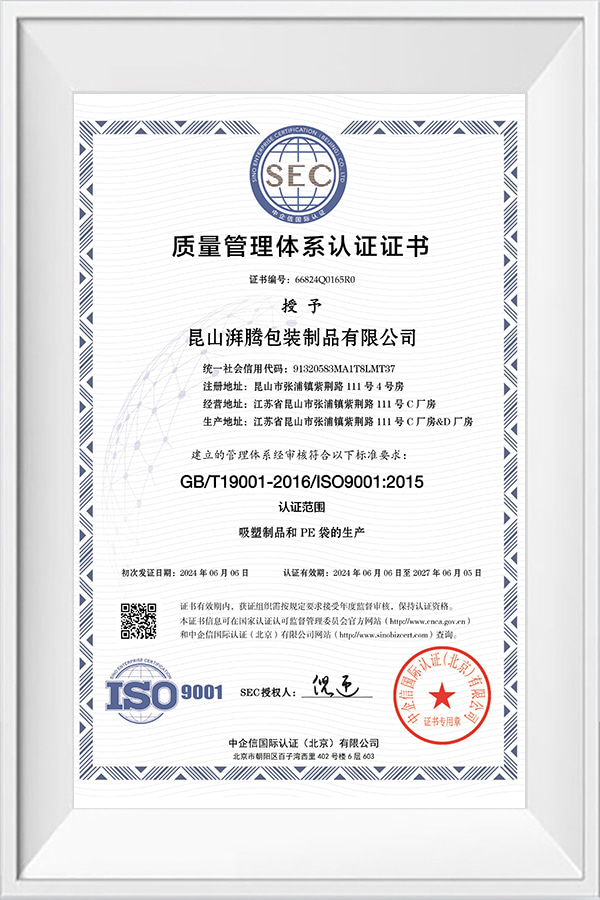
ISO9001 & ISO14001 certified. 40+ advanced machines, 23 patents, and continuous investment in automation.
Better quality, competitive price, superior service. As we always say: “Customer satisfaction is our standard.”
We are committed to delivering packaging solutions that are not only reliable and cost-effective but also kinder to our environment. PE Plastic Bags For Food Packaging We look forward to cooperating with you!
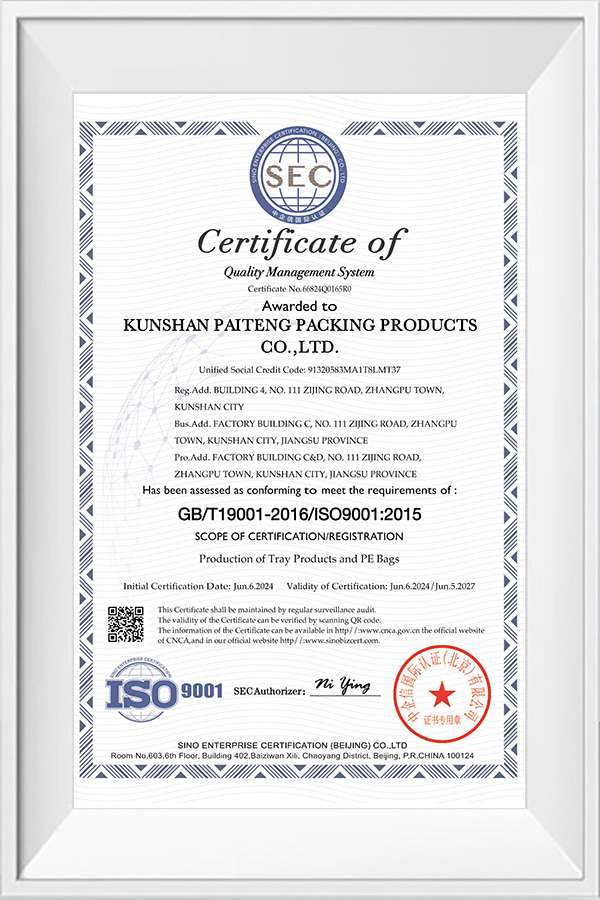
Certificate Of Honor
  • ISO9001
  • ISO9001
News
Industry knowledge

Industry Knowledge

Freezer Burn and Moisture Migration: Why Bag Thickness Alone Doesn't Prevent It

At Paiteng, freezer burn is treated as a barrier problem rather than a thickness problem, since a lot of buyers assume a thicker bag automatically means better freezer protection when the actual cause is usually moisture vapor transmission rate (MVTR), not gauge. Standard LDPE has a relatively high MVTR compared to specialty freezer-grade films, which means moisture inside the bag gradually migrates and redistributes even in a properly sealed bag, forming the ice crystals on food surfaces that show up as freezer burn over weeks of storage. Multi-layer coextruded films that combine LDPE with an EVOH or nylon barrier layer reduce MVTR significantly more than simply doubling the thickness of a single-layer LDPE bag, and they typically add less cost than buyers expect for the shelf-life improvement gained. For Plastic Food Storage Bags intended for freezer use beyond a few weeks, checking the MVTR spec rather than the mil thickness alone is the more reliable way to compare suppliers.

  • Single-layer LDPE: higher MVTR, adequate for short-term freezer storage (under 2 weeks)
  • Coextruded LDPE/EVOH films: significantly lower MVTR for long-term freezer storage
  • Vacuum-sealed variants: reduce trapped air volume, further slowing ice crystal formation

Food-Contact Compliance Details That Get Missed on PE Packaging Orders

Compliance paperwork for food-contact PE bags often gets treated as a single checkbox, but the actual requirements shift depending on food type, temperature range, and destination market, which is where buyers most commonly run into trouble after an order has already shipped. FDA 21 CFR 177.1520 covers olefin polymers used in direct food contact in the US, but the specific additive package matters too — certain slip agents and colorants that are otherwise food-safe can fall outside compliance if used above specified concentration limits, so a general "food-grade resin" claim doesn't guarantee every additive in the bag is compliant. In the EU, Regulation (EC) No 1935/2004 applies generally, but products intended for fatty or acidic foods may also need migration testing that reflects those specific food simulants rather than a generic compliance certificate, since fat and acid content changes how much of a substance can migrate from the packaging into the food. A supplier producing PE Plastic Bags For Food Packaging across multiple markets should be able to provide migration data specific to the food category, not just a blanket resin certificate — a distinction that Paiteng's compliance team walks new export clients through before the first production run begins.

Compliance details worth confirming before ordering

  • Additive concentration limits, not just base resin compliance
  • Migration data specific to fatty or acidic food categories where relevant
  • Region-specific certificates rather than a single global compliance claim

Odor Transfer and Taint Testing for Bags Used with Strong-Smelling Foods

Bags used for foods like garlic, onions, spices, or fermented products face a different failure mode than most packaging — not physical failure, but odor and flavor transfer that affects product quality even when the seal holds perfectly. Some PE resins and additive packages absorb volatile compounds from strong-smelling foods and later release them back into the food or transfer scent onto adjacent products during storage, which is a quality issue rather than a structural one, so it's easy to overlook during standard packaging testing. Taint and odor testing, which typically involves sealing a sample with the actual food product for a set storage period and then evaluating flavor transfer against an unpackaged control, catches this before it becomes a customer complaint at the retail level. This matters most for daily-use packaging that sits in direct food contact for extended periods, since a resin that performs fine over a two-day shelf period can still show measurable taint after two weeks of storage — a gap that only shows up with dedicated testing rather than a quick sniff test.

Requesting a taint report specific to the food category, particularly for strong-smelling items, is what separates food bag failures customers actually notice from ones that never make it past internal quality control, and it's a step Paiteng builds into product development for clients packaging aromatic foods.

Reusability and Wear Patterns in Daily-Use Food Bags

Bags marketed for repeated daily use — reusable sandwich bags, bulk produce bags, or bags meant to be washed and reused rather than discarded — face a wear pattern that single-use packaging never has to survive, and testing for this needs a different approach than a standard drop or seal test. Repeated folding at the same crease line is what typically causes failure first, since PE film work-hardens at fold points over dozens of open-close cycles, eventually cracking along that exact line even if the rest of the bag remains intact. Slightly increasing film thickness at the intended fold zones, rather than uniformly across the whole bag, extends usable life without adding much material cost, since the stress concentrates predictably at those points rather than randomly across the surface. Washing tolerance is a separate consideration — resins need to hold seal integrity and clarity after repeated exposure to warm water and mild detergent, which not every food-grade PE blend is formulated to withstand without becoming cloudy or brittle over time.

Use Pattern Common Failure Point Design Response
Repeated folding Cracking at crease lines Reinforced thickness at fold zones
Washing and reuse Clouding, seal weakening Wash-tolerant resin blend selection
Frequent opening/closing Zipper or seal track wear Reinforced track ribbing at closure points

Buyers developing a line of Daily Use PE Bags should ask for cycle-test data — how many fold or wash cycles the bag survives before visible cracking — since this single number predicts real-world satisfaction far better than a standard one-time seal or drop test.