English
  Español
Content
- 1 Understanding What a Blister Tray Is and Why Material Choice Matters
- 2 Industry Applications Where Blister Trays Solve Real Handling Problems
- 3 The Vacuum Blister Forming Production Process Explained
- 4 Comparing Material Options by Application Fit
- 5 Supporting Services That Streamline Custom Tray Development
- 6 Why Customized Trays Outperform Traditional Packaging Methods
- 7 Practical Selection Guidelines for Choosing the Right Tray
Understanding What a Blister Tray Is and Why Material Choice Matters
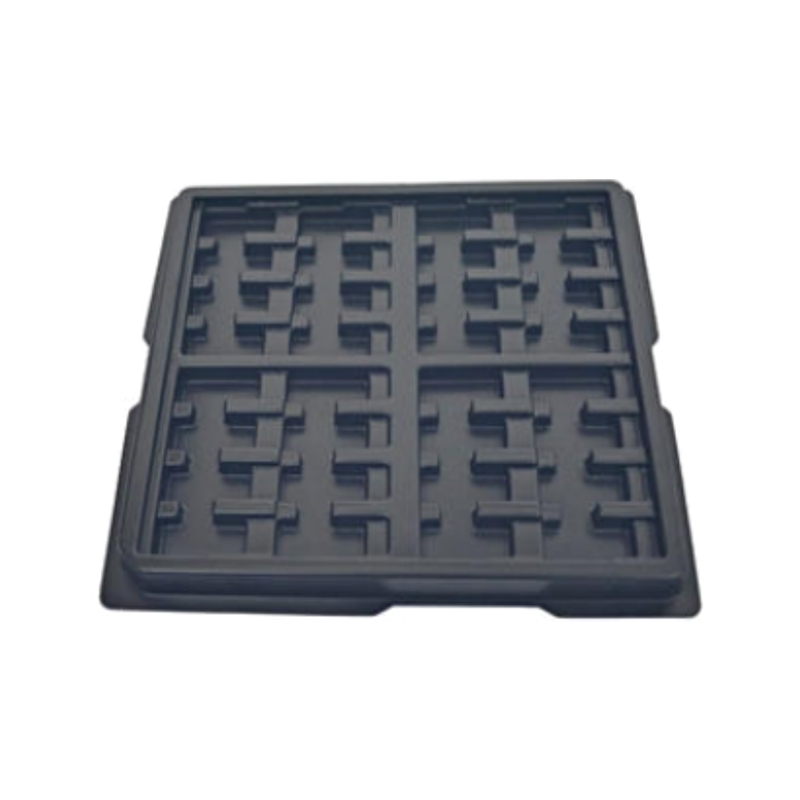
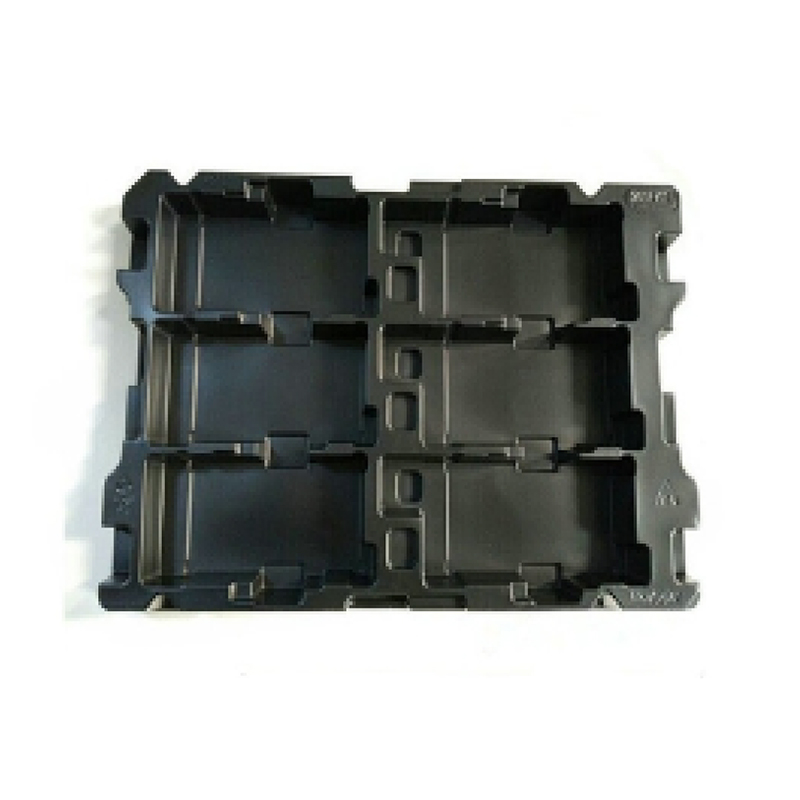
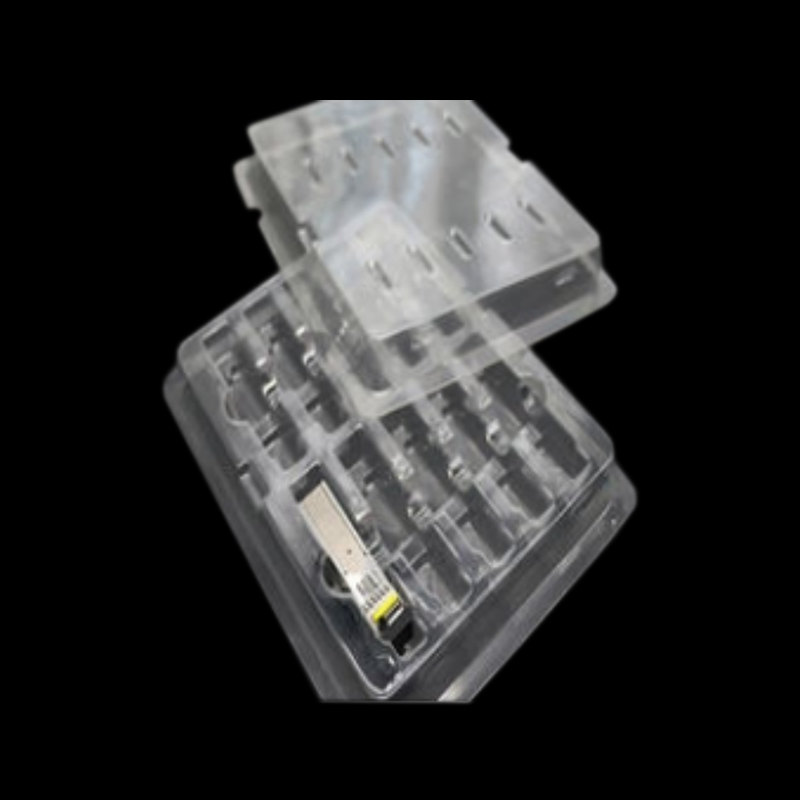
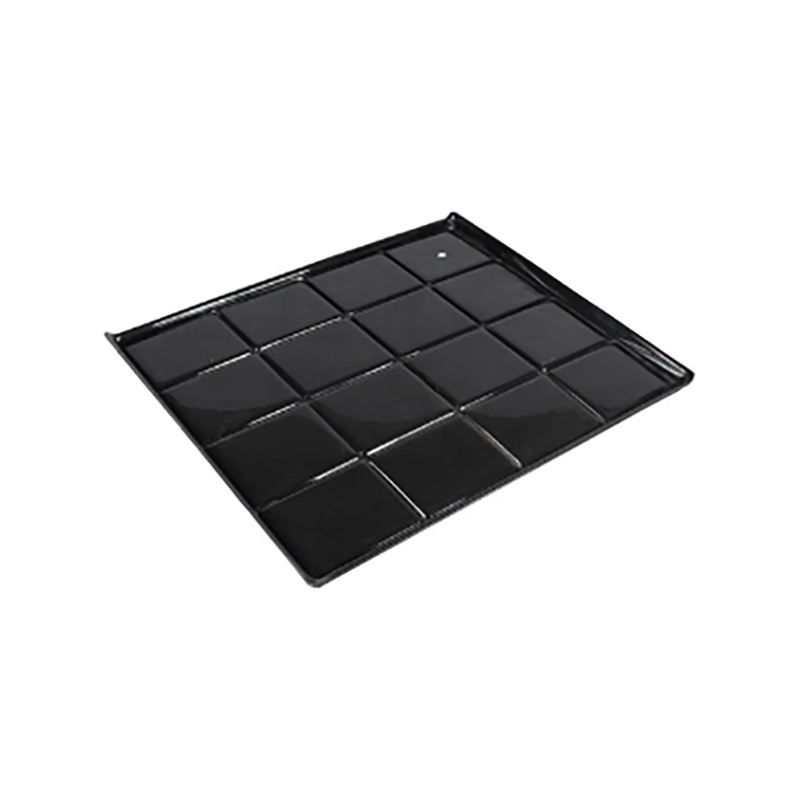
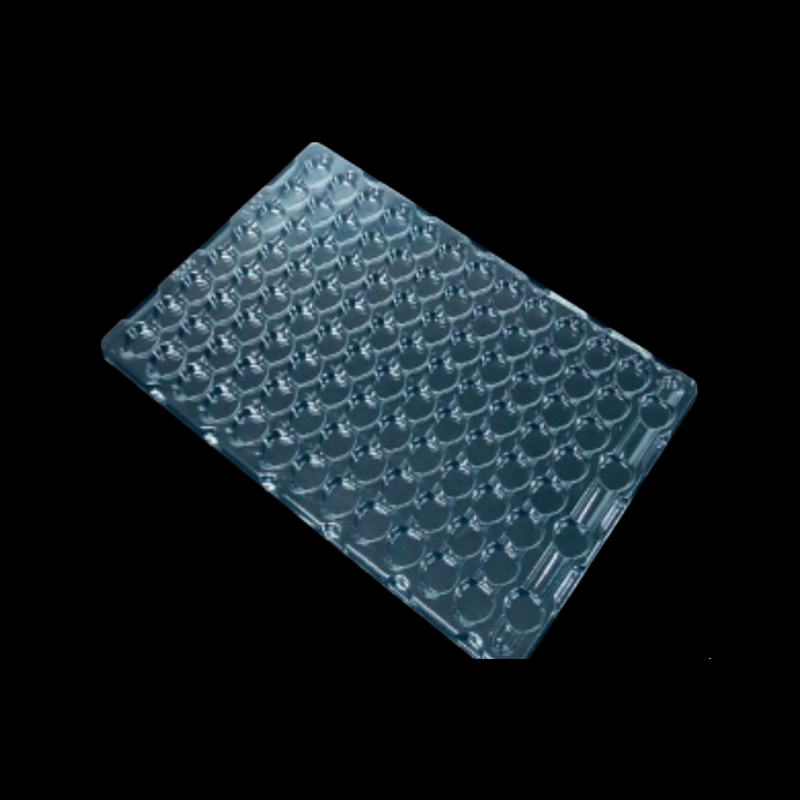
A blister tray, sometimes referred to as a plastic inner tray or simply a tray within the electronics industry, is a precisely molded plastic component designed to hold, protect, and organize products during storage, transport, and display. The performance of a blister tray depends heavily on the plastic material selected during production, since each material offers distinct mechanical and chemical properties suited to different handling conditions.
PET offers a transparent, environmentally friendly option with good toughness, making it a common choice for food and electronics packaging where visibility and durability both matter. PP brings high temperature, acid, and alkali resistance, positioning it as the preferred material for medical devices and food applications that involve heat exposure or chemical contact. PS delivers high hardness at a low cost, which suits toys, stationery, and daily necessities where budget constraints are a priority. PVC provides transparency and flexibility at an affordable price point, though its weaker environmental profile limits its use to general-purpose packaging. For electronic components sensitive to static discharge, anti-static or conductive trays with surface resistance between 10⁴ and 10⁹ ohms provide dedicated protection, while flocking or gold-plated finishes add cushioning and visual appeal for gift and cosmetic packaging.
Industry Applications Where Blister Trays Solve Real Handling Problems
Blister trays serve distinct functional purposes across a wide range of industries, each with its own protection and handling requirements.
Electronics Manufacturing and Component Protection
The electronics industry represents the most common application for blister trays, where precision components such as ICs, chips, capacitors, resistors, camera modules, and motherboards require protection from scratches, shocks, and static electricity during turnover and transport. Trays produced for this sector can achieve dimensional tolerances as tight as ±0.1mm, and proper implementation reduces component damage rates to below 0.3%, a meaningful improvement for manufacturers running high-volume production lines where even small defect rates translate into significant losses.
Automotive Parts Handling
Automotive interior parts, small hardware, connectors, and rubber components benefit from blister trays engineered for stable load-bearing capacity, oil resistance, and stackability. These characteristics allow parts to move efficiently through assembly lines and warehouse storage without degradation from exposure to lubricants or repeated handling.
Food Packaging and Display
Fruits, vegetables, pastries, fresh produce, and cooked food rely on food-grade blister trays that are moisture-proof and transparent, allowing consumers or handlers to visually inspect product quality without opening the packaging.
Pharmaceutical and Medical Device Packaging
Tablets, capsules, syringes, and small medical instruments require non-toxic, environmentally safe tray materials capable of withstanding epoxy sterilization processes, ensuring the packaging itself does not compromise the sterility or safety of medical products.
The Vacuum Blister Forming Production Process Explained
Understanding how blister trays are manufactured helps clarify why customization and precision are achievable at scale.
Design, Mold Making, and Material Preparation
Production begins with structural design based on the product's three-dimensional specifications, determining groove placement, divisions, and wall thickness. Molds are typically made from aluminum alloy or resin, with a service life reaching up to 800,000 cycles, followed by material selection where sheets ranging from 0.2mm to 12mm in thickness are cut to size depending on load requirements.
Heating, Forming, and Cooling Stages
The plastic sheet is heated to between 180°C and 220°C until it reaches a flexible, moldable state, then positioned over the mold where a vacuum pump evacuates air at negative pressures between -0.08 and -0.1MPa, drawing the softened sheet tightly against the mold surface to form precise contours. Air or water cooling then stabilizes the shape before the tray moves to trimming.
Trimming, Finishing, and Optional Treatments
Automatic cutting equipment trims excess material, punches any required holes, and polishes edges to achieve a dimensional tolerance within ±0.15mm. Optional post-processing steps, including anti-static spraying, flocking, gold stamping, or printing, can be applied depending on the intended application.
Comparing Material Options by Application Fit
The table below summarizes which materials tend to align best with specific industry needs.
| Material | Key Properties | Best Suited Industry |
| PET | Transparent, tough, eco-friendly | Food, electronics |
| PP | Heat, acid, alkali resistant | Medical, food, high-heat use |
| PS | Hard, low cost | Toys, stationery |
| PVC | Transparent, flexible, low cost | General packaging |
| Anti-static/Conductive | Controlled surface resistance | Electronic components |
Supporting Services That Streamline Custom Tray Development
Beyond raw production capability, a well-rounded blister tray supplier typically offers a full range of supporting services designed to reduce development time and total ownership cost.
- One-on-one structural design based on product size, shape, weight, and protection needs, often including free drawing and sampling services.
- Rapid prototyping with samples typically ready within 3 to 5 days, followed by mass production once the design is confirmed.
- Automated servo-driven production capable of daily output ranging from tens of thousands to hundreds of thousands of pieces, with a pass rate of 98.5 percent or higher.
- Complete packaging system support, including trays, dividers, covers, and turnover boxes compatible with automated lines and robotic handling.
- After-sales services covering size correction, material upgrades, mold maintenance, and recycling or remanufacturing options.
Why Customized Trays Outperform Traditional Packaging Methods
Compared to generic packaging solutions, custom-fitted blister trays deliver measurable performance advantages. Because each tray is molded to precisely match a product's contours, displacement, collision, and scratching are minimized, improving overall protection by more than 60 percent compared to general packaging. This precision fit also reduces damage rates to below 0.3 percent for sensitive components, while standardized stacking dimensions save over 30 percent of storage space and support automated handling that increases efficiency by more than three times compared to manual packaging methods.
Economically, blister trays can be reused between 50 and 200 times depending on material choice, and their recyclability contributes to long-term costs that run over 40 percent lower than wooden or paper tray alternatives. They are also more than 50 percent lighter than metal trays while still supporting load capacities between 5 and 50 kilograms, making them practical for long-distance transportation without sacrificing durability.
Practical Selection Guidelines for Choosing the Right Tray
Selecting the correct blister tray specification requires attention to several practical factors that directly affect product protection and handling efficiency. The inner groove dimension should be sized 0.1 to 0.3mm larger than the product itself to prevent jamming or excessive movement during transport. Material selection should align with the application, favoring anti-static PET or PP for electronics, food-grade PP or PET for consumables, and thicker ABS or PP sheets for hardware components. Thickness should scale with load weight, using 0.5 to 1mm for light loads under 1 kilogram, 1.5 to 3mm for medium loads between 1 and 5 kilograms, and 4 to 8mm for heavy loads exceeding 5 kilograms. Structural design should also match the product type, with fully enclosed grooves recommended for precision parts and reinforcing ribs combined with stacking clips for general turnover applications.