English
  Español
Content
- 1 What Makes PE Bags the Most Widely Used Plastic Packaging Solution
- 2 Where PE Bags Deliver the Most Practical Value
- 3 Understanding the PE Bag Manufacturing Process
- 4 Comparing High-Density and Low-Density Polyethylene for Bag Production
- 5 Customization Options Available for Business and Industrial Buyers
- 6 Core Performance Advantages That Drive Continued Demand
- 7 Choosing the Right PE Bag Specification for Your Application
What Makes PE Bags the Most Widely Used Plastic Packaging Solution
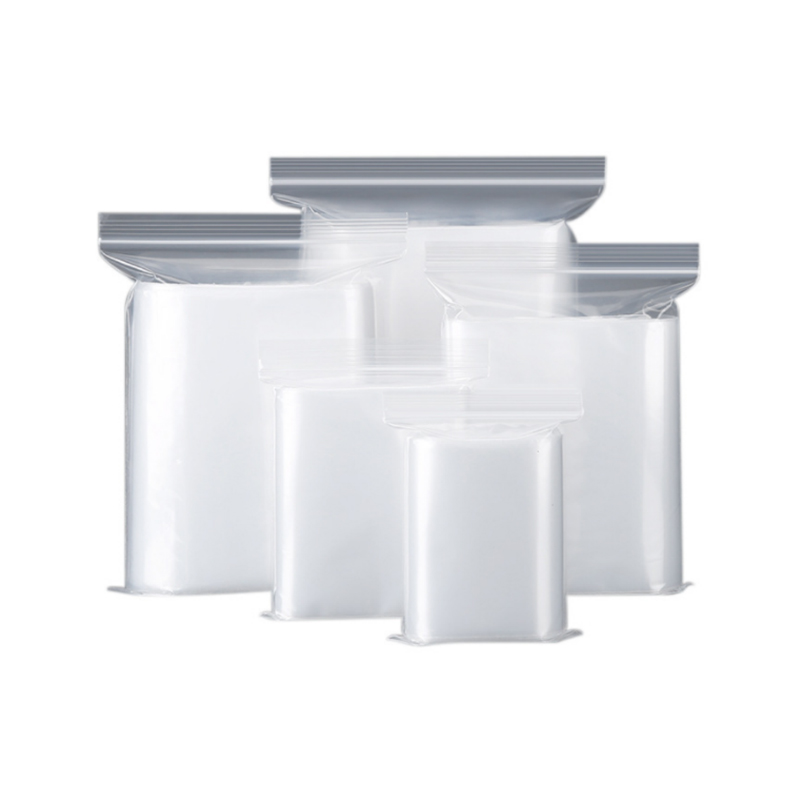
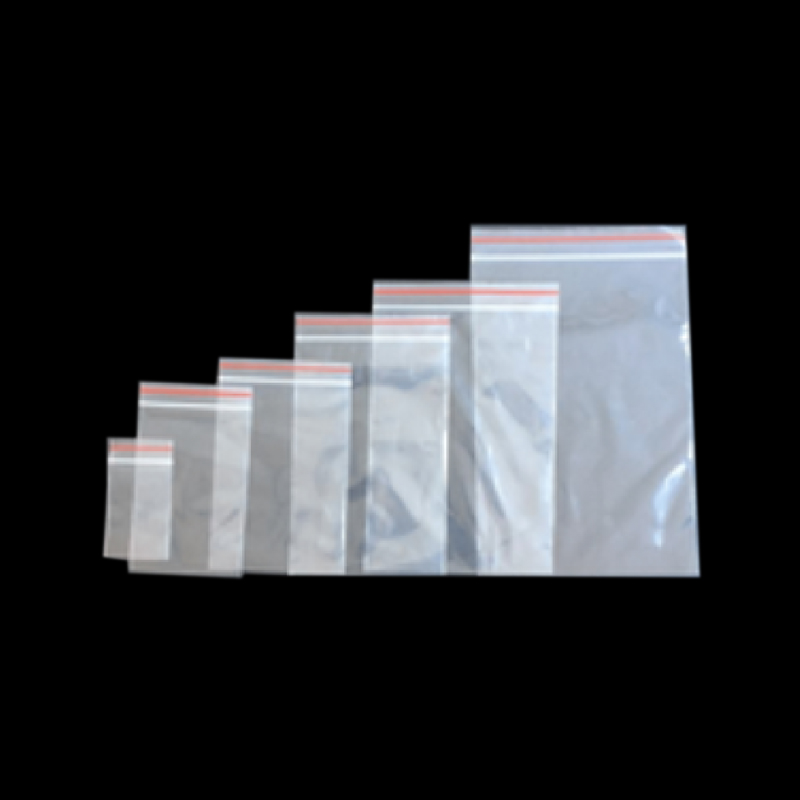
Polyethylene bags, commonly known as PE bags, have become the default packaging choice across food, retail, industrial, and agricultural sectors due to a combination of low production cost, dependable performance, and material versatility. Their widespread adoption stems from polyethylene's inherent physical properties, including flexibility, chemical resistance, and moisture protection, which together address the core packaging needs of an enormous range of products without requiring specialized or expensive materials.
Because polyethylene is produced in different densities, manufacturers can tailor bag properties to specific applications, from soft, stretchable bags for produce packaging to more rigid, puncture-resistant bags for industrial parts. This adaptability, combined with straightforward manufacturing processes, is what has allowed PE bags to remain a practical packaging standard across so many industries for decades.
Where PE Bags Deliver the Most Practical Value
The functional benefits of PE bags translate differently depending on the industry and product being packaged, making it useful to examine specific application scenarios in detail.
Food Packaging and Freshness Preservation
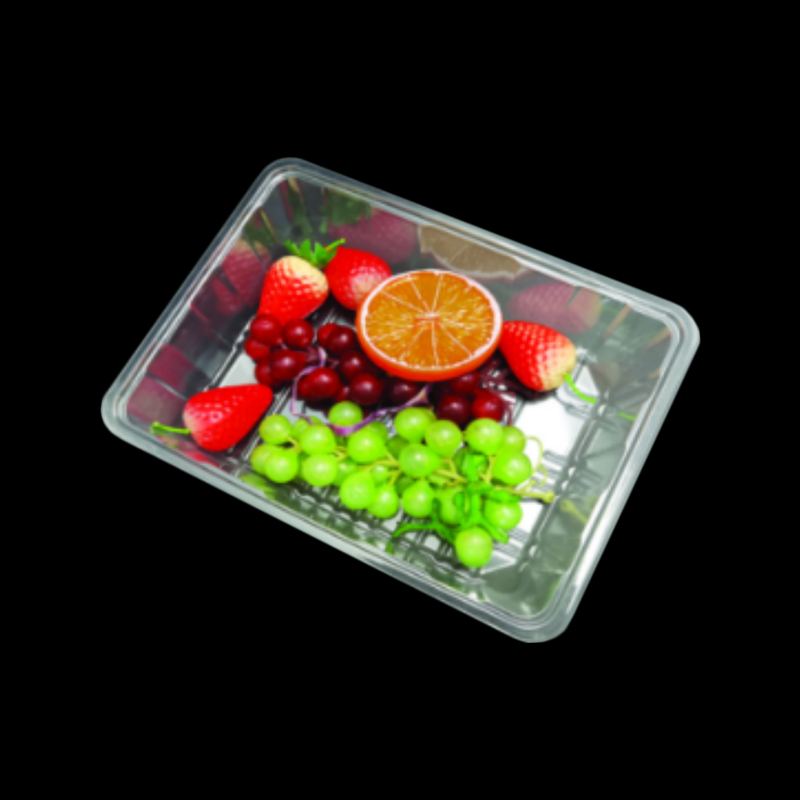
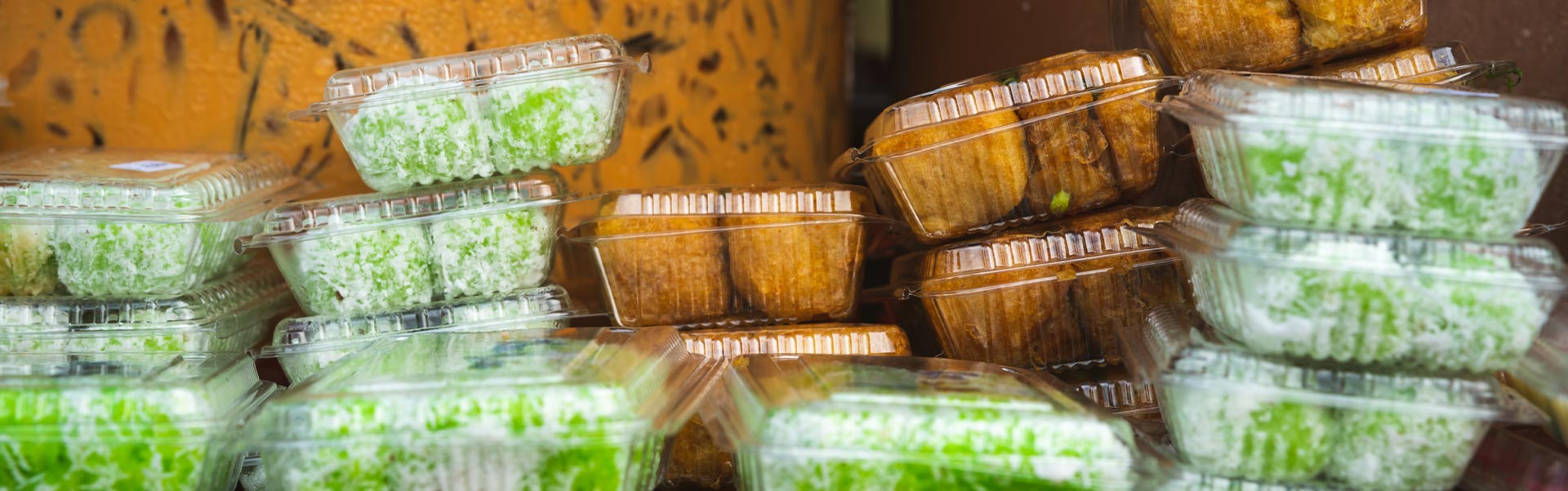
In food packaging, PE bags are relied upon to keep bread, fruits, vegetables, and snacks fresh while protecting them from moisture that could accelerate spoilage. The moisture-proof barrier that polyethylene provides helps extend shelf life for perishable goods, while the material's flexibility allows bags to conform closely around irregularly shaped produce without tearing.
Daily Necessities and Retail Packaging
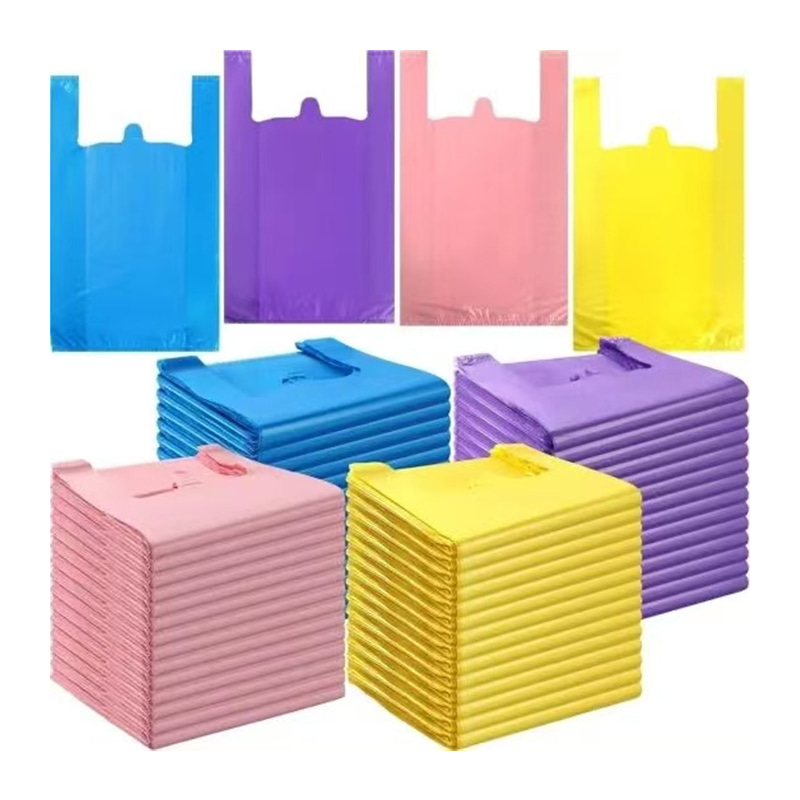
Clothing, stationery, and cosmetics commonly rely on PE bags for retail packaging, where transparency allows customers to see products without opening the packaging, and the low cost of the material keeps overall packaging expenses manageable for retailers operating on tight margins.
Industrial Component Protection
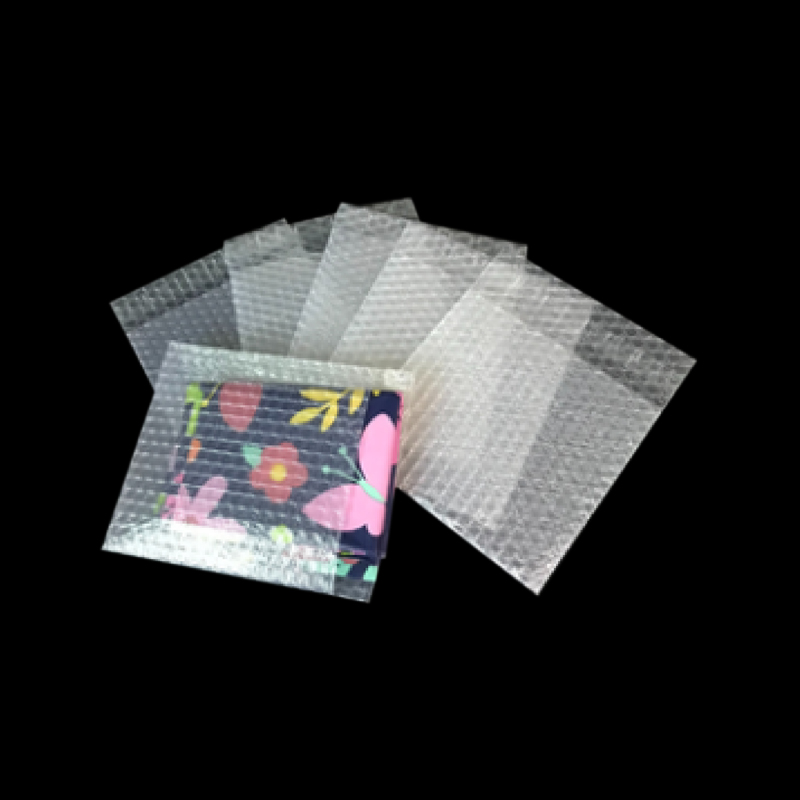
Industrial applications use PE bags to shield parts and components from moisture and dust during storage and transport, where the chemical resistance of polyethylene also helps protect metal or mechanical parts from certain corrosive exposures that could otherwise degrade their surface finish.
Agricultural Film Applications
Beyond bag form, polyethylene film is widely used in agriculture to produce greenhouse films and mulch films, where the material's durability and weather resistance help regulate soil temperature and moisture retention, contributing directly to crop yield improvements in many farming operations.
Understanding the PE Bag Manufacturing Process
The production of PE bags follows a relatively streamlined two-stage process that allows for efficient, high-volume manufacturing.
Blow Molding to Create the Base Film
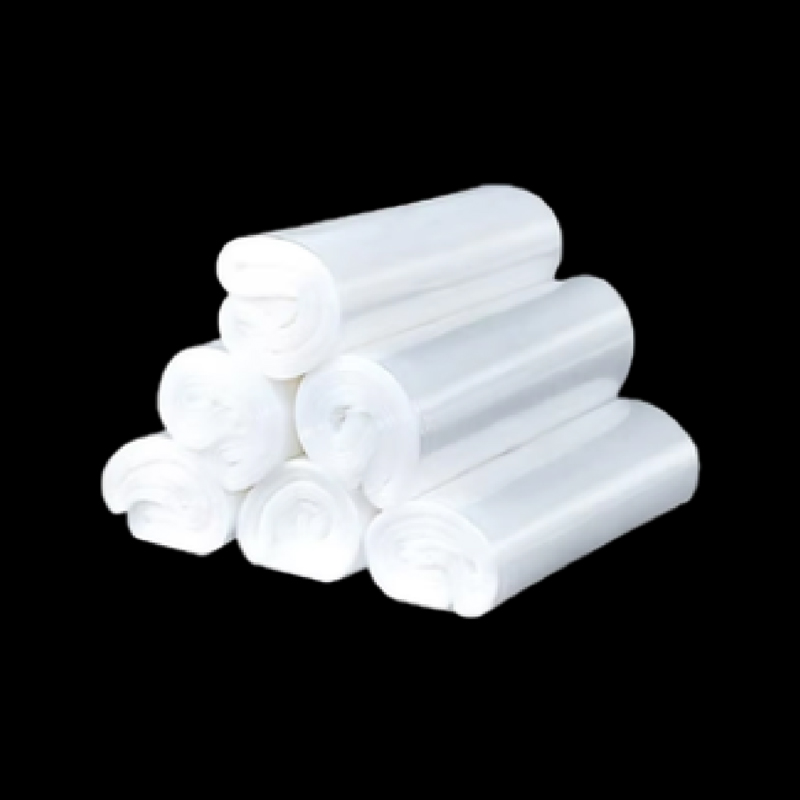
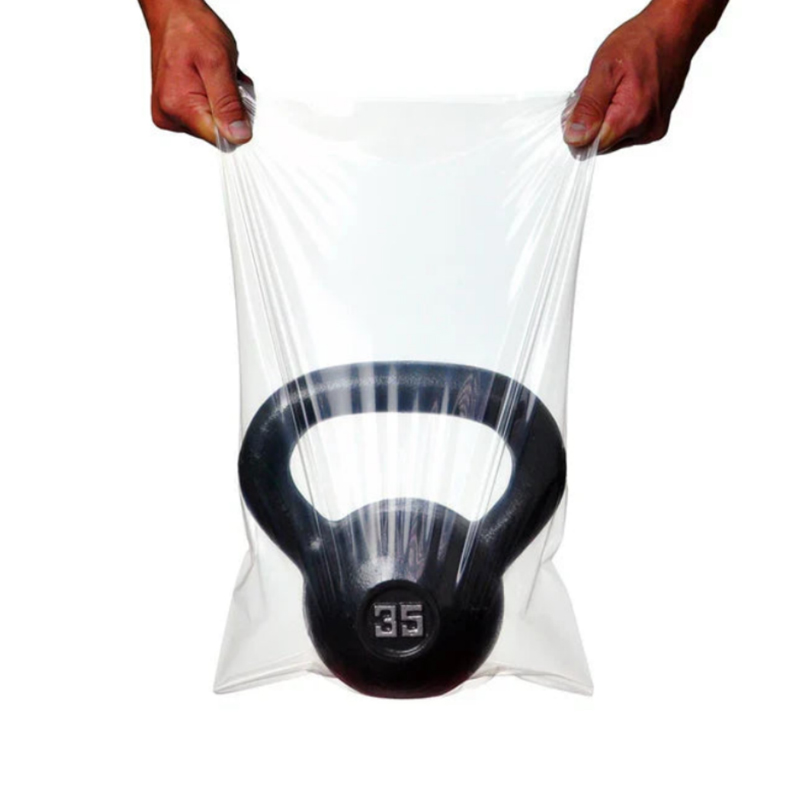
Production begins with polyethylene pellets being heated and melted, after which the molten material is fed into a blow molding machine that inflates it into a continuous tube of thin plastic film. This process determines the base thickness and width of the film, which directly affects the strength and flexibility of the finished bags.
Bag Making Through Cutting and Sealing
Once the film is produced, it moves through a bag-making process where it is cut and sealed into specific sizes and shapes according to the intended application. This stage allows manufacturers to produce everything from small sandwich-sized bags to large industrial packaging bags using the same base film production line, simply by adjusting the cutting and sealing parameters.
Comparing High-Density and Low-Density Polyethylene for Bag Production
Material density plays a significant role in determining which type of PE bag is best suited for a given application. The table below outlines the key differences between the two common density classifications.
| Material Type | General Characteristics | Common Applications |
| HDPE (High-Density) | Stronger, more rigid, less stretch | Retail bags, industrial packaging |
| LDPE (Low-Density) | Softer, more flexible, higher stretch | Food packaging, produce bags |
Customization Options Available for Business and Industrial Buyers
Beyond standard off-the-shelf sizing, buyers sourcing PE bags for commercial use have access to a range of customization options that allow the packaging to better match specific product and branding needs.
- Custom sizing and thickness adjustments to match the exact dimensions and weight-bearing requirements of the product being packaged.
- Printing services that allow logos, trademarks, or usage instructions to be applied directly onto the bag surface, supporting brand visibility at the point of sale.
- Material density selection between high-density and low-density polyethylene, allowing buyers to prioritize either strength or flexibility depending on the application.
Core Performance Advantages That Drive Continued Demand
The sustained popularity of PE bags across so many industries comes down to a consistent set of performance characteristics that address common packaging challenges effectively.
Flexibility and Ease of Handling
The soft, pliable texture of PE bags makes them easy to fold, store, and use across a wide variety of packaging scenarios, from wrapping irregularly shaped items to lining boxes for additional protection.
Chemical and Moisture Resistance
Resistance to acids, alkalis, and most chemical corrosion, combined with reliable waterproof and moisture-proof performance, makes PE bags suitable for protecting sensitive products from environmental degradation during storage and transit.
Cost Efficiency at Scale
Because raw polyethylene materials are abundant and production costs remain low, PE bags offer an affordable packaging option that scales efficiently for businesses producing packaging in large volumes without significantly impacting overall product cost.
Choosing the Right PE Bag Specification for Your Application
Selecting the appropriate PE bag involves matching material density, thickness, and size to the specific demands of the product being packaged. Lighter, more flexible items such as fresh produce or clothing typically pair well with low-density polyethylene bags that offer stretch and softness, while heavier industrial components or retail applications requiring more structural integrity often benefit from high-density polyethylene formulations. Buyers should also consider whether transparency is needed for product visibility, whether printing will be required for branding purposes, and whether the intended use involves prolonged outdoor exposure, which may call for additional weather-resistant formulations similar to those used in agricultural film applications.