English
  Español
Content
- 1 Why Logistics and Courier Operations Depend on Protective PE Bags
- 2 Core Scenarios Where Protective PE Bags Prove Essential
- 3 How These Bags Are Manufactured for Consistent Quality
- 4 Comparing Protection Needs Across Different Package Types
- 5 Service Options That Support Business Buyers
- 6 Core Advantages That Make These Bags Practical for Daily Logistics Use
- 7 Practical Considerations for Selecting the Right Protective Bag
Why Logistics and Courier Operations Depend on Protective PE Bags
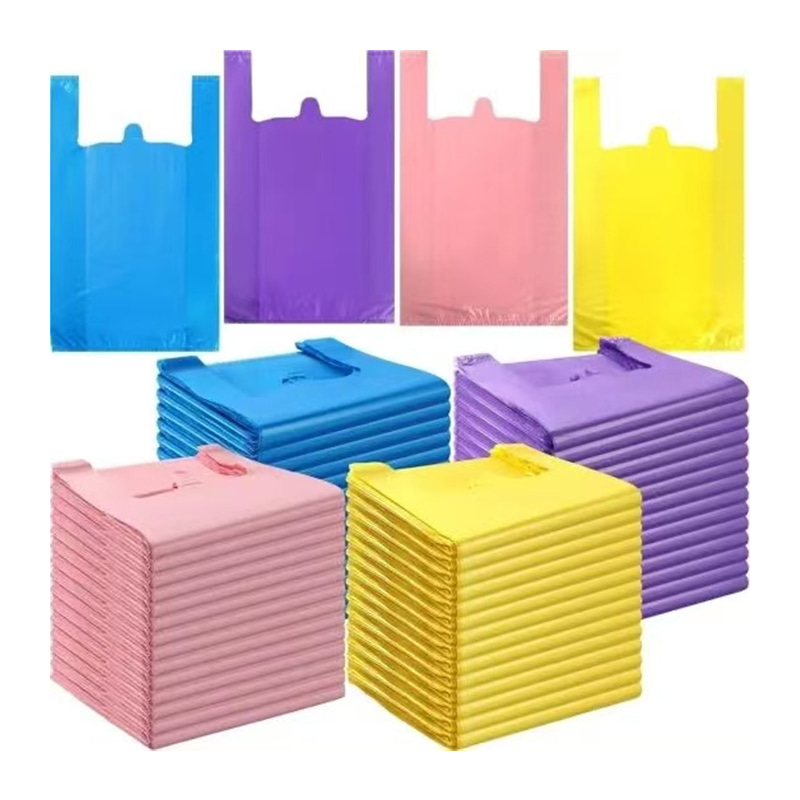
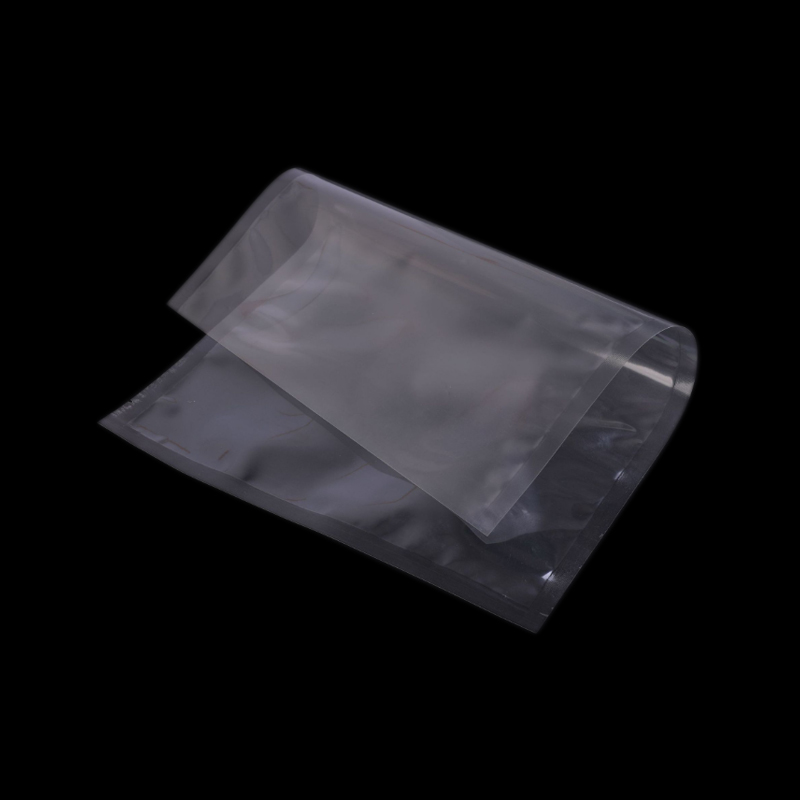
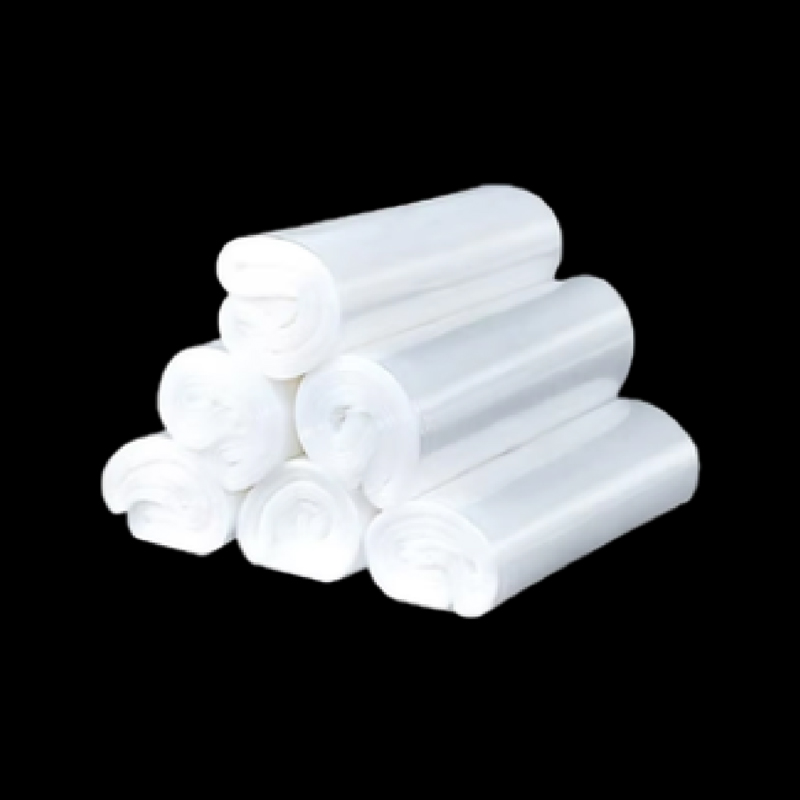
Logistics and courier protective PE bags are manufactured from food-grade polyethylene material specifically chosen for its non-toxic composition and reliable durability under the demanding conditions of shipping and handling. As packages move through sorting facilities, delivery vehicles, and multiple handling points before reaching their final destination, they face constant risk of collision, dust exposure, and moisture contact. These bags act as a protective barrier that absorbs much of this handling stress, helping ensure goods arrive in the same condition they left the warehouse.
The choice of food-grade PE material is not incidental. Even when the bags are used to package non-food items such as electronics or daily necessities, food-grade material standards guarantee a higher baseline of safety and material purity, reducing the risk of chemical residue transfer onto packaged goods, which matters particularly for products that may come into close contact with skin or be used in households.
Core Scenarios Where Protective PE Bags Prove Essential
The practical value of these bags becomes clearest when examining the specific handling challenges they are designed to address across different stages of the logistics chain.
Small Goods and Electronics Packaging
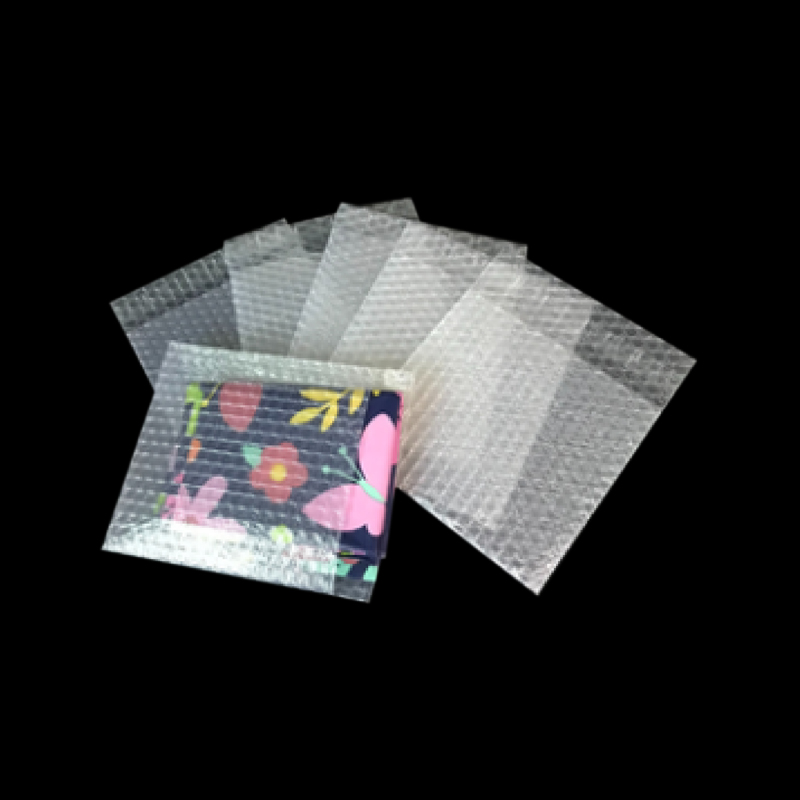
Small goods, electronic products, and daily necessities are particularly vulnerable during transit due to their compact size, which often means they get packed alongside other items in shared shipping containers or delivery bins. A protective PE bag provides an individual barrier around each item, preventing direct contact abrasion or moisture transfer between packages stored in close proximity.
High-Volume Express Delivery Transport
Express delivery networks handle enormous volumes of packages daily, often moving through automated sorting systems where packages experience drops, jostling, and stacking pressure. Moisture-proof, dust-proof, and anti-collision qualities built into these PE bags help ensure that goods maintain their integrity even after passing through multiple mechanical handling stages before reaching the end recipient.
How These Bags Are Manufactured for Consistent Quality
Understanding the production approach behind logistics protective bags helps explain why quality and consistency can be maintained even at large production volumes.
Food-Grade Raw Material Sourcing
Production starts with food-grade PE raw materials, ensuring the finished bags meet safety standards suitable even for direct food contact applications, which provides an added margin of safety when these bags are repurposed for general logistics use involving a wide variety of product types.
Automated Film Blowing for Consistent Finish
Automatic film blowing equipment produces the base polyethylene film used to create the bags, resulting in smooth edges free of burrs or rough spots that could otherwise snag on packaged items or cause minor surface scratches during insertion and removal.
Comparing Protection Needs Across Different Package Types
Different categories of goods moving through logistics networks face varying levels of risk, which is useful to understand when evaluating how protective PE bags should be selected and applied.
| Package Type | Primary Risk | Protective Benefit Needed |
| Electronic products | Moisture and static exposure | Moisture-proof barrier |
| Small daily necessities | Surface scuffing and dust | Dust-proof wrapping |
| Mixed courier parcels | Impact during sorting | Anti-collision cushioning |
| Bulk shipment items | Stacking pressure and friction | Durable, tear-resistant film |
Service Options That Support Business Buyers
Businesses sourcing protective PE bags for ongoing logistics operations benefit from supplier services designed to reduce risk and simplify procurement decisions.
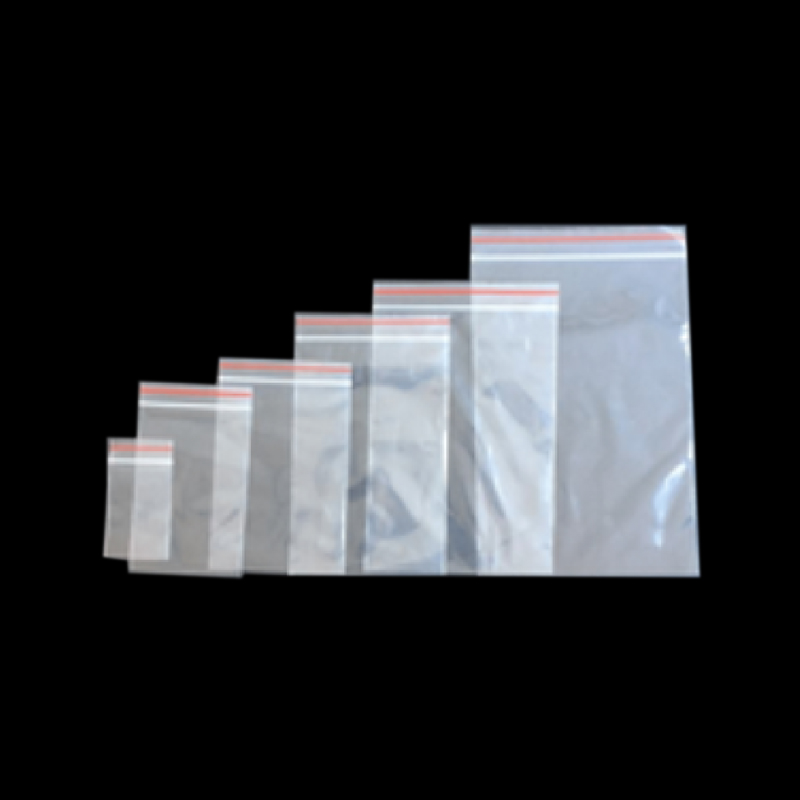
- Customizable sizing to match the specific dimensions of products commonly shipped, avoiding wasted material from oversized bags or inadequate coverage from undersized ones.
- Free sample provision, allowing businesses to test bag performance with their actual products before committing to a bulk order.
- Replacement policies for quality issues, giving buyers confidence that defective batches will not result in unresolved losses.
Core Advantages That Make These Bags Practical for Daily Logistics Use
The consistent adoption of protective PE bags across logistics and courier operations comes down to a set of practical benefits that align well with the operational demands of high-volume shipping.
Durability Without Added Bulk
Food-grade PE material provides strong toughness that resists tearing or breaking under normal handling stress, while the material itself remains lightweight, meaning the protective packaging does not significantly add to overall shipment weight or shipping costs.
Ease of Use in High-Volume Operations
The light weight and simple design of these bags make them easy to carry, store, and apply quickly during packing operations, which matters significantly in fast-paced warehouse or fulfillment center environments where packing speed directly affects daily shipment throughput.
Affordability at Production Scale
Mass production methods keep per-unit costs low, making these bags a cost-effective packaging solution for businesses shipping large volumes of goods where even small per-package cost increases can accumulate into significant expenses over time.
Practical Considerations for Selecting the Right Protective Bag
When choosing protective PE bags for logistics or courier use, businesses should evaluate the typical size range of products being shipped, the level of moisture or dust exposure expected during transit, and whether items require additional cushioning beyond what a standard bag provides. For particularly fragile or high-value electronics, pairing the protective bag with supplementary padding may be worthwhile, while general daily necessities or bulk shipments may perform well with standard bag specifications alone. Working with a supplier that offers free sampling allows businesses to validate bag performance against their specific product mix before finalizing a large-scale order, reducing the risk of mismatched packaging specifications once regular shipping operations are underway.