Wholesale PE Bags Factory
Home / Products / PE Bags

PE Bags Manufacturers

Introduction to PE Bags

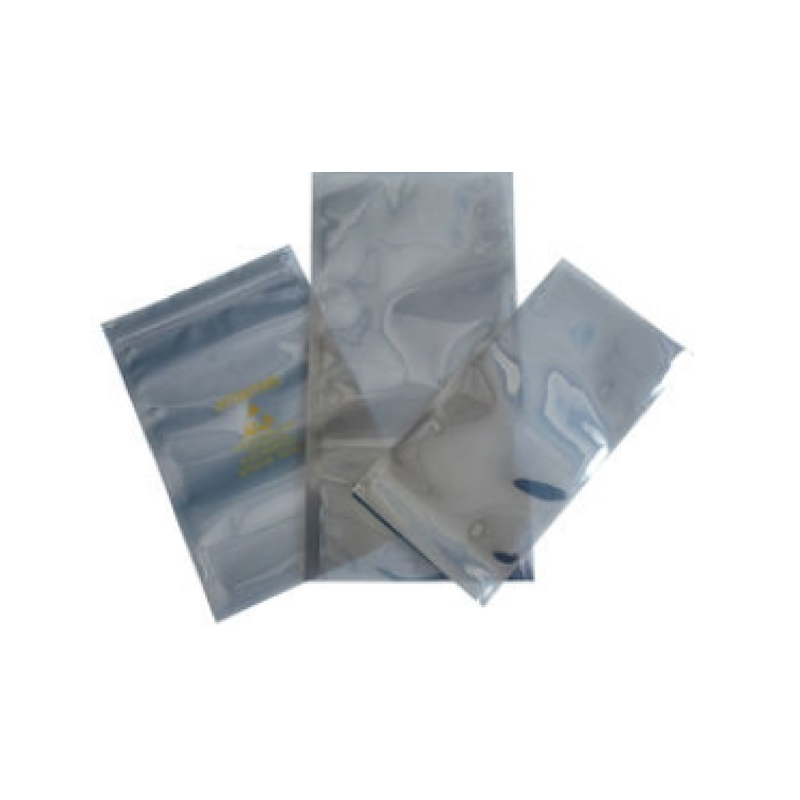
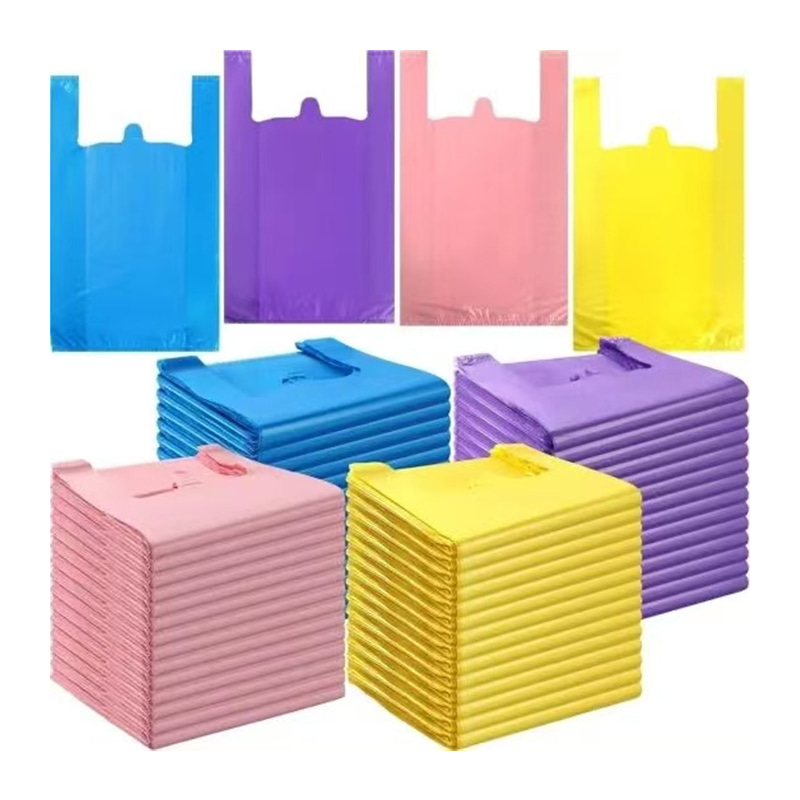
PE bags (Polyethylene plastic bags) are the most common plastic packaging bags in daily life and industrial production. Below is the key information:

Applications:

Food Packaging: Used for packaging bread, fruits, vegetables, snacks, etc., to keep them fresh and moisture-proof.

Daily Necessities Packaging: Used for packaging clothing, stationery, cosmetics, and other products.

Industrial Packaging: Used for packaging parts and protecting products from moisture and dust.

Agricultural Applications: Used to make greenhouse films, mulch films, etc.

Production Process:

Blow Molding: Polyethylene pellets are heated and melted, then blown into plastic film by a blow molding machine.

Bag Making: The film is cut and sealed to make bags of different sizes and shapes.

Supporting Services:

Custom Size: PE bags of different sizes and thicknesses can be customized according to customer needs.

Printing Service: Logos, trademarks, usage instructions, etc., can be printed on the bags.

Material Selection: PE bags of different densities (High-density HDPE, Low-density LDPE) are available for selection.

Core Advantages:

Good Flexibility: Soft texture, easy to fold and use.

Chemical Resistance: Resistant to acids, alkalis, and most chemical corrosion.

Waterproof and Moisture-proof: Good waterproof and moisture-proof performance.

Low Cost: Abundant raw materials, low production cost, and affordable price.

High Transparency: Can be made into transparent or translucent bags for easy viewing of internal items.

About Us
Kunshan Paiteng Packaging Products Co., Ltd.

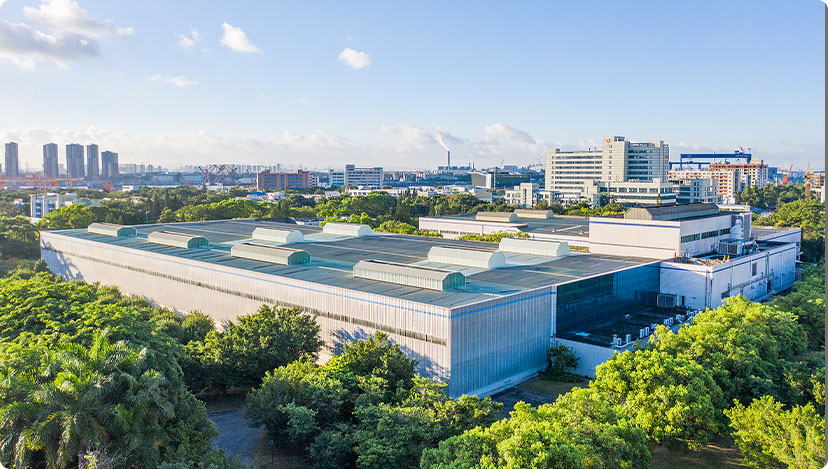
The headquarters of Paiteng Company (Kunshan Paiteng Packaging Products Co., Ltd.) was established in 2015, and Paiteng Philippines was founded in 2017. After seven years of development, Paiteng Packaging has become a comprehensive manufacturing enterprise with modern management level, excellent technology, and strong strength, integrating plastic bags, vacuum forming, and die-cutting. Wholesale PE Bags Manufacturers and PE Bag Packaging Factory in China.
Blister packaging, plastic bags, and die-cutting – all under one roof. Simplify your supply chain with a single trusted partner.
Kunshan, Philippines, and Guangdong. Fast response, stable supply, and reduced logistics risks for customers worldwide.
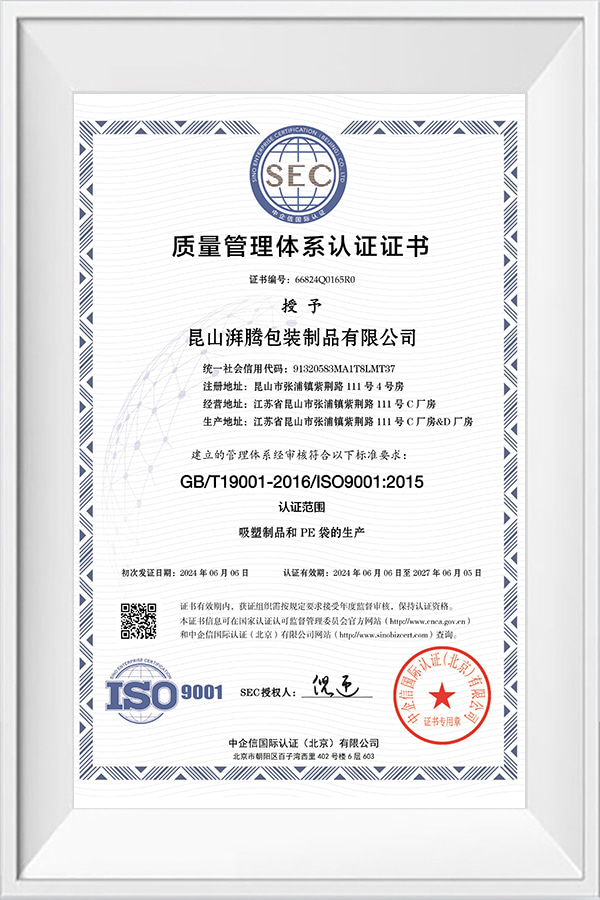
ISO9001 & ISO14001 certified. 40+ advanced machines, 23 patents, and continuous investment in automation.
Better quality, competitive price, superior service. As we always say: “Customer satisfaction is our standard.”
We are committed to delivering packaging solutions that are not only reliable and cost-effective but also kinder to our environment. Wholesale PE Plastic Bags We look forward to cooperating with you!
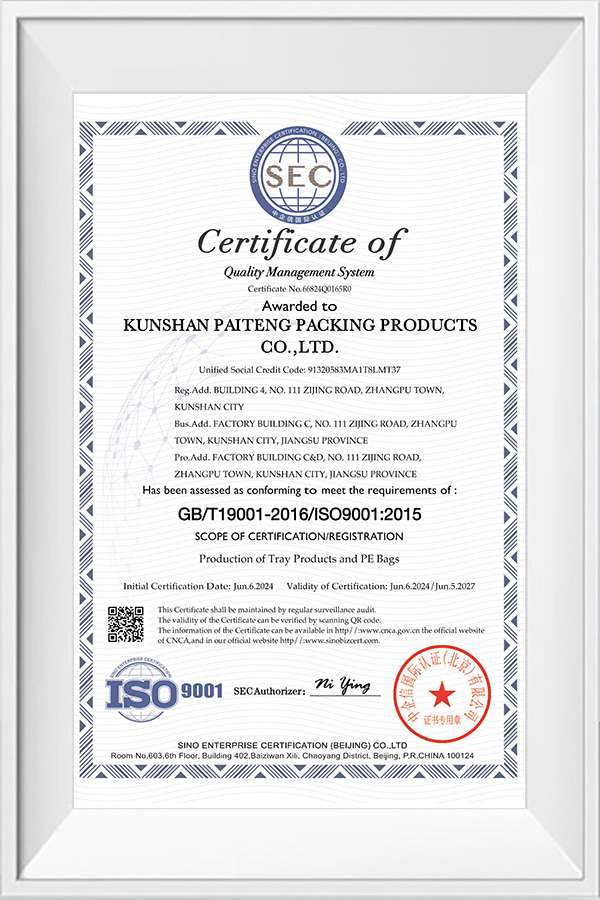
Certificate Of Honor
  • ISO9001
  • ISO9001
News
Industry knowledge

Industry Knowledge

LDPE vs LLDPE vs HDPE: Why the Resin Blend Changes Bag Performance

Not all polyethylene bags behave the same way even at identical thickness, because the resin blend behind the label matters as much as the gauge number. LDPE offers the best clarity and stretch, which makes it forgiving around irregular shapes, but it has the lowest tensile strength of the three, so it needs to run thicker to match the load capacity of the alternatives. LLDPE trades a bit of clarity for significantly better puncture and tear resistance at the same thickness, which is why it's become the default choice for heavier goods like hardware, produce, or construction materials. HDPE is the stiffest and cheapest per bag, but it's also the most prone to crackling noise and stress-whitening at fold lines, so it tends to underperform on items that flex during handling. At Paiteng, resin blending ratios are adjusted per order rather than run on a single fixed formula, since a bag optimized for a garment retailer needs a very different balance than one built for frozen food distribution.

  • LDPE: highest clarity and stretch, best for lightweight or irregular items
  • LLDPE: best puncture and tear resistance per micron of thickness
  • HDPE: lowest cost per bag, but stiffer and prone to fold-line whitening

Seal Types That Actually Matter for PE Bag Durability

The seal is usually the first point of failure on a PE bag, yet it's often the last thing buyers inspect closely before placing an order. A standard heat seal works fine for lightweight, short-term storage, but under repeated flexing or heavier loads it can develop pinhole leaks along the seal line that aren't visible until the bag is already in use. For PE Bag Packaging that needs to survive rougher handling — shipping cartons, agricultural loads, or industrial parts — a double-track seal adds a redundant seal line roughly 3-5mm inside the primary seal, so a failure at one line doesn't compromise the whole bag. Gusseted bottoms distribute weight more evenly across the base seam instead of concentrating stress at the corners, which matters most for bags carrying dense, rigid contents like metal parts or bottled liquids.

Seal specs worth confirming before a bulk order

  • Seal width — narrower than 3mm often fails under repeated flexing
  • Single vs double-track sealing for heavier or long-transit loads
  • Gusseted vs flat-bottom construction for load distribution

Gauge, Mil, and Micron: Reading a PE Bag Spec Sheet Correctly

Thickness units cause more sourcing confusion than any other spec on a PE bag order, since gauge, mil, and micron aren't interchangeable at a 1:1 ratio and mixing them up during a quote comparison can lead to ordering bags that are far too thin or unnecessarily thick. One mil equals 25.4 microns, and gauge is calculated as mil multiplied by 100 — so a bag listed as 2 mil is also 200 gauge and roughly 50.8 microns, and confirming which unit a supplier is quoting in before comparing prices avoids a costly mismatch.

Mil Gauge Micron Typical Use
1 mil 100 gauge 25.4 micron Produce and light retail bags
2 mil 200 gauge 50.8 micron General industrial packaging
4 mil 400 gauge 101.6 micron Heavy-duty shipping and hardware

This is why, when reviewing a client's existing spec sheet, Paiteng always confirms the measurement unit against a physical sample before quoting, since a misread gauge number is one of the most common causes of failed bags arriving on a client's dock.

Additives That Extend PE Bag Performance in Harsh Conditions

Standard PE resin degrades faster than most buyers expect once it's exposed to UV light, extreme cold, or certain chemicals, and additives are usually the more cost-effective fix compared to simply increasing bag thickness. UV stabilizer packages slow the breakdown of the polymer chain under sunlight, which matters for bags used in outdoor storage or agricultural applications where a standard bag might become brittle and crack within a few months. Anti-fog additives reduce condensation buildup on the inside of the bag, which is critical for fresh produce and frozen food packaging where fogging obscures visibility and can trap excess moisture against the product. Cold-crack additives keep PE Plastic Bags flexible in freezer environments down to -40°F, since untreated PE becomes brittle and can shatter on impact at low temperatures.

  • UV stabilizers: extend outdoor and greenhouse bag life significantly
  • Anti-fog agents: reduce condensation on produce and frozen goods packaging
  • Cold-crack additives: maintain flexibility in freezer-grade applications
  • Slip agents: reduce friction for bags run through high-speed packing lines